






Understanding August's Weather
While the overall forecast for India suggests a 'below-normal' monsoon for August and September, this doesn't tell the whole story. The India Meteorological Department (IMD) has issued warnings for isolated heavy to very heavy rainfall in specific regions
throughout early August. States like Kerala, Uttarakhand, and parts of Maharashtra, including Konkan and Goa, are expected to see intense rain. For instance, heavy downpours in Uttarakhand's Rudraprayag district have caused rivers like the Alaknanda to rise above the danger mark. This uneven distribution means that while one destination might be perfectly pleasant, another could be dealing with waterlogging, landslides, and significant travel disruptions.
The Power of a Flexible Booking
In this unpredictable climate, a non-refundable booking is a significant gamble. Flexible travel options are your best defence against weather-related disruptions. Policies offering free cancellation or 'pay-at-hotel' remove the financial risk if you need to change your plans last minute due to a sudden storm or blocked road. Many airlines, including IndiGo and Air India, now offer 'Flex' fares that allow changes for a lower fee than standard tickets. Paying a small premium for this flexibility should be seen as an investment in peace of mind, potentially saving you the entire cost of your trip.
Decoding 'Free Cancellation'
The term 'flexible' can have different meanings, so it's vital to read the fine print before you book. 'Free cancellation' almost always has a deadline. To get a full refund, you often need to cancel more than 24 or 48 hours before your scheduled check-in or departure. Missing this window could result in a penalty, typically the cost of the first night's stay. Also, check whether a cancellation provides a cash refund to your original payment method or a credit voucher for future travel.
Safety on the Road
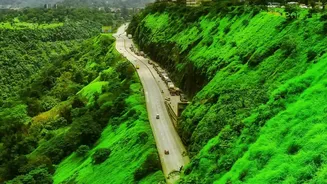
Road trips are a popular way to enjoy the monsoon, but safety must be the top priority. Heavy rain reduces visibility and makes roads slippery, increasing braking distances. It is crucial to reduce your speed, keep headlights on, and maintain a safe distance from other vehicles. Never attempt to drive through waterlogged streets, as they can hide potholes or open drains. In hilly regions like the Western Ghats or Himachal, be particularly wary of landslides and fog, which can reduce visibility to almost zero. Before setting off, always check your vehicle’s tyres, brakes, and wipers. It’s also wise to monitor local weather alerts and road conditions right up until your departure.
Choosing Your Destination Wisely
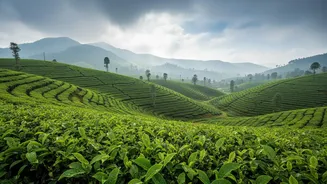
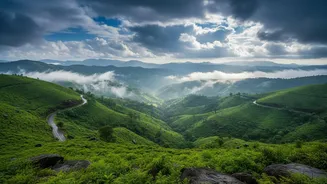
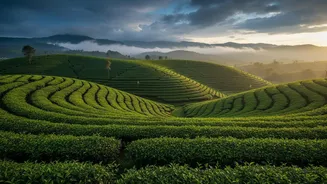
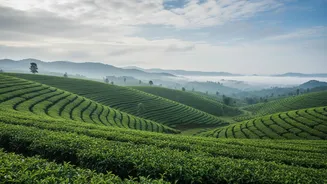
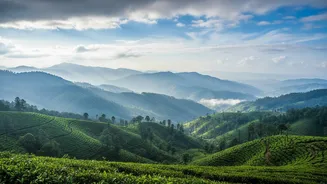
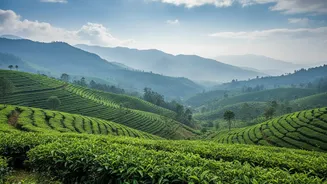
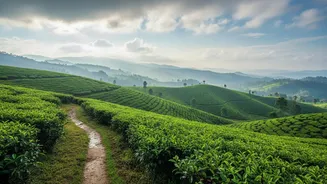
Given the varied weather, destination choice is key. Some areas are naturally safer during the monsoon. Rain-shadow regions like Ladakh and Spiti Valley receive almost no rainfall and are at their peak accessibility in August. In Rajasthan, places like Udaipur experience a gentler monsoon, making it a great time to visit without the intense summer heat. Well-managed hill stations in the Western Ghats and Nilgiris, such as Coorg, Munnar, and Ooty, can be safe options, provided you stick to main roads and avoid travel during heavy rain alerts. However, areas prone to severe downpours and landslides should be approached with caution or postponed.