



Understanding Your 'Real' Costs
In the restaurant world, 'recipe costing' is the process of calculating the exact price of every serving. For home cooks, this formal process can be simplified into a powerful mindset: identifying the one or two ingredients that make up the bulk of a dish's
cost. Often, it's a premium cut of meat, an imported cheese, or a handful of expensive nuts. By spotting the cost driver, you can make an informed decision. Is this ingredient absolutely essential for the dish's success, or can a less expensive alternative do the job with minimal, or even zero, noticeable difference in the final product? The goal isn't to be cheap; it's to be smart about where your money is spent. Sometimes scaling back just a little on the most expensive items dramatically reduces the total cost without a huge impact on flavour.
Spices: Saffron vs. Turmeric
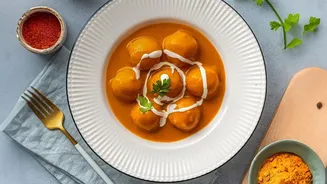
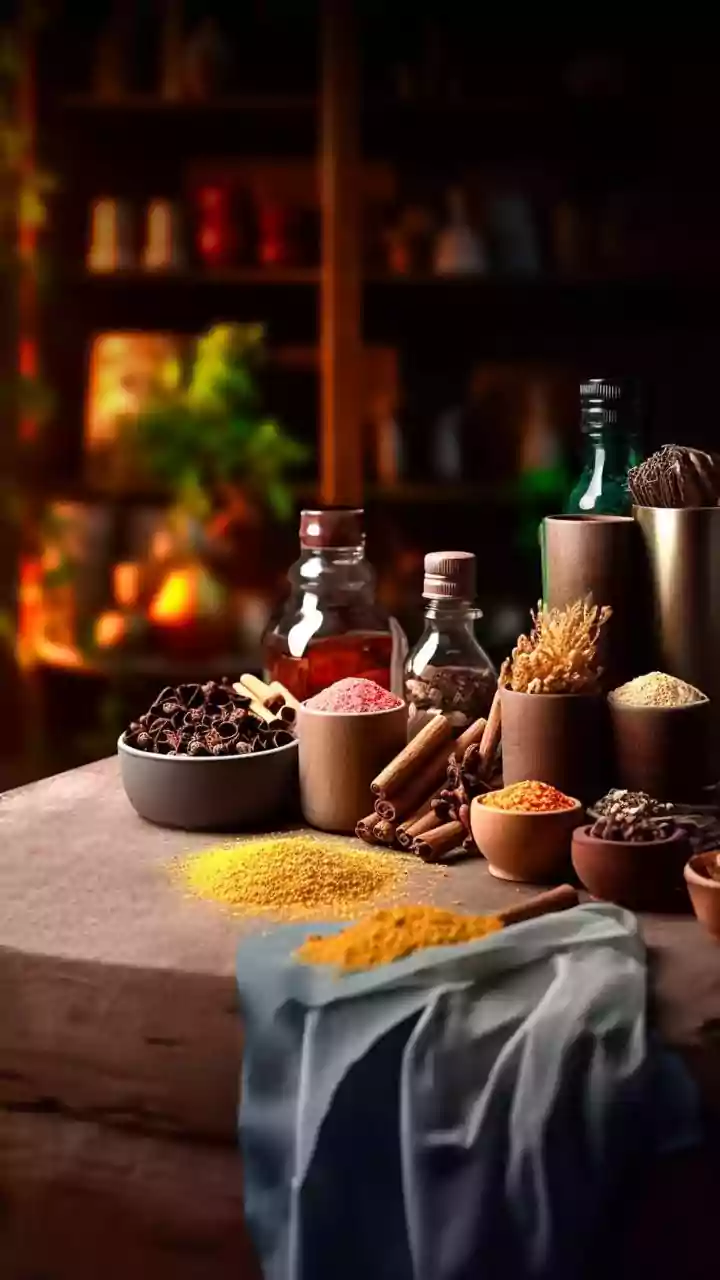
Saffron is famously the world's most expensive spice, harvested by hand from crocus flowers. It imparts a delicate, floral, honey-like flavour and a beautiful golden-red hue. Turmeric, an inexpensive root from the ginger family, provides a similarly vibrant yellow colour but with an earthy, peppery flavour. So, when can you swap? If a recipe for paella, risotto, or Persian rice is built around the unique floral aroma of saffron, substituting it is not recommended. However, if you're making a large pot of curry or a rice dish where colour is the main goal and many other spices are involved, turmeric is an excellent, budget-friendly substitute. A mix of turmeric and paprika can mimic the colour, even if the distinct floral notes of saffron are absent.
Flavourings: Vanilla Bean vs. Vanilla Extract
A real vanilla bean, studded with thousands of tiny seeds, offers an unmatched complexity and visual appeal, especially in recipes where vanilla is the star, like custards, panna cotta, or ice cream. Vanilla extract, made by infusing vanilla beans in alcohol, provides a consistent and reliable flavour. For most everyday baking, such as cookies, brownies, or cakes with multiple competing flavours, a high-quality pure vanilla extract is more than sufficient and far more economical. The difference in the final baked good is often negligible. As a general rule, one vanilla bean is equivalent to about two to three teaspoons of extract. Vanilla paste, which contains seeds suspended in extract, offers a good middle ground.
Proteins: Prime Cuts vs. Slow-Cooked Tough Cuts
Expensive cuts of beef like filet mignon are prized for their tenderness. But for dishes that involve slow cooking, braising, or stewing, cheaper, tougher cuts are not only more economical but often yield a more flavourful result. Cuts like chuck roast, brisket, and beef shank are rich in connective tissue. This tissue breaks down over a long, slow cooking process, creating a tender, melt-in-your-mouth texture and enriching the sauce or broth. Searing the meat before it goes into the slow cooker is a crucial step to develop deep, caramelized flavour through the Maillard reaction. So, for your next pot roast, stew, or shredded beef tacos, skip the pricey steaks and head for the chuck roast; your wallet and your taste buds will thank you.
Nuts: Pine Nuts vs. Walnuts or Seeds
A classic basil pesto recipe calls for pine nuts, but their high price can be a major deterrent. Luckily, several more affordable nuts and seeds can create a pesto that is just as delicious. Walnuts are a popular and inexpensive substitute, offering a similar earthy flavour and buttery texture. Lightly toasting them first can mellow out any potential bitterness from their skins. For a slightly sweeter profile, almonds are a great option. If you need a nut-free alternative, shelled sunflower or pumpkin seeds work wonderfully, providing a creamy texture and rich flavour at a fraction of the cost. While the flavour profile might shift slightly with each substitute, the core character of a fresh, vibrant pesto remains intact.