
The New Wardrobe Equation
For generations, Indian ethnic wear was often reserved for festivals, weddings, and formal events. The heavy silks and intricate embroideries, while beautiful, were not always suited for a morning commute, a day at the office, or a casual brunch. Today,
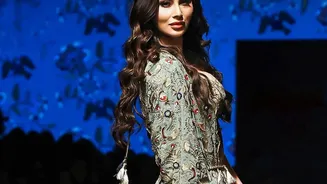
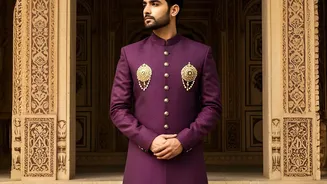
however, that distinction is blurring. A growing desire for comfort, versatility, and personal expression has led to the rise of a new fashion language. This change is driven by women who want to celebrate their cultural identity without being constrained by it. They are seeking clothing that moves with them, fits into diverse social settings, and still tells a story of Indian craftsmanship. The result is a surge in fusion styles that are both globally aware and distinctly Indian.
The Saree, Reimagined for Today
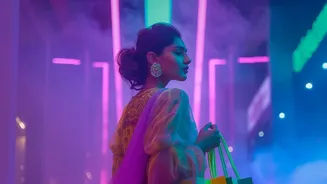
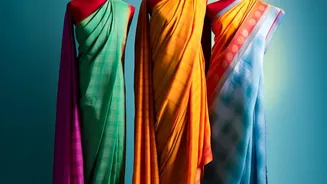
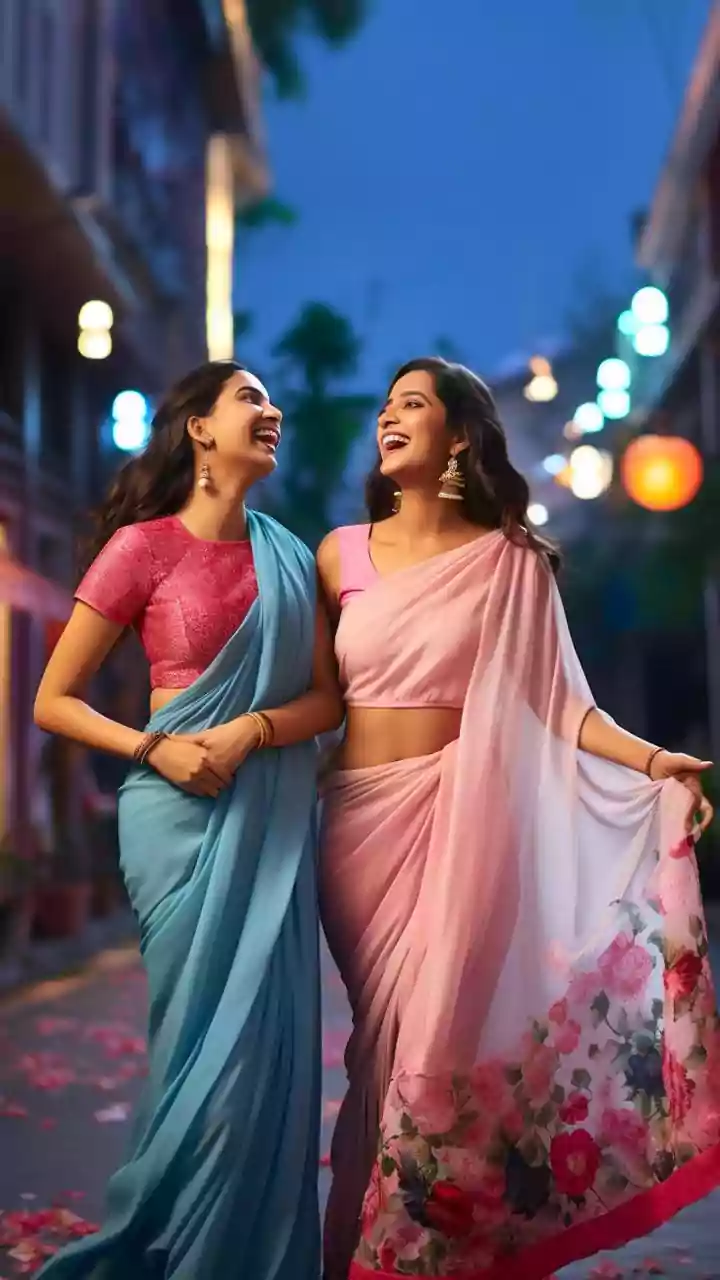
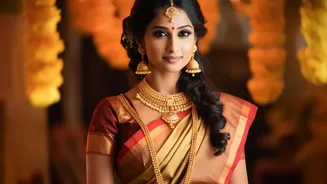
No garment represents this shift better than the saree. The traditional six yards, while iconic, can be intimidating and time-consuming to drape. Recognizing this, designers have innovated to make the saree more accessible. The pre-draped or pre-stitched saree has emerged as a game-changer, offering the elegance of a traditional drape without the hassle. These ready-to-wear versions feature stitched pleats and structured pallus, allowing them to be worn in minutes. But innovation doesn't stop there. We're seeing saree gowns, pant-sarees, and sarees made from lightweight, breathable fabrics like georgette, chiffon, and organza that are better suited for daily life. This evolution doesn't mean the art of traditional draping is disappearing; rather, it's expanding the saree's appeal to a new generation.
Beyond the Saree: Versatile Separates
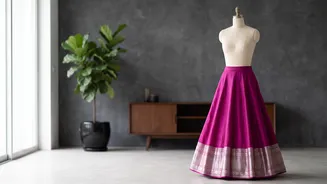
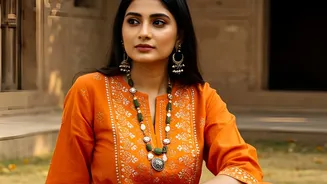
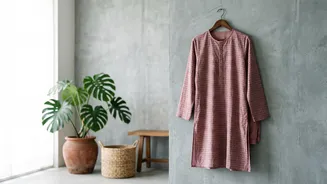
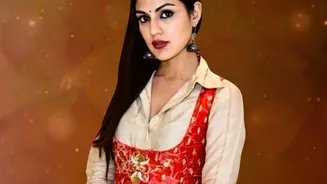
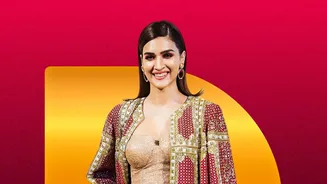
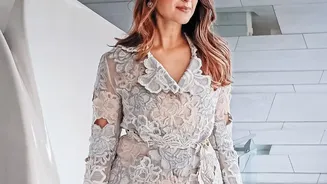
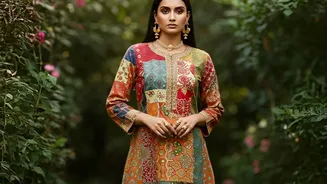
The kurta, another staple, has also undergone a significant transformation. It has evolved from part of a three-piece suit into a versatile standalone garment. We now see kurtas styled as dresses, paired with jeans, or designed with asymmetrical cuts and modern prints. A major trend is the rise of co-ord sets, featuring matching tops and bottoms—like palazzo pants, skirts, or tailored trousers—in traditional Indian fabrics and prints like Ajrakh and block-print. This modular approach allows for immense versatility; the pieces can be worn together for a cohesive look or mixed and matched with Western wardrobe staples like blazers and denim jackets. Cape sets, featuring dramatic overlays on crop tops and sharara pants, have also become a popular choice for festive occasions, offering a modern silhouette rooted in Indian aesthetics.
A Renewed Focus on Craftsmanship
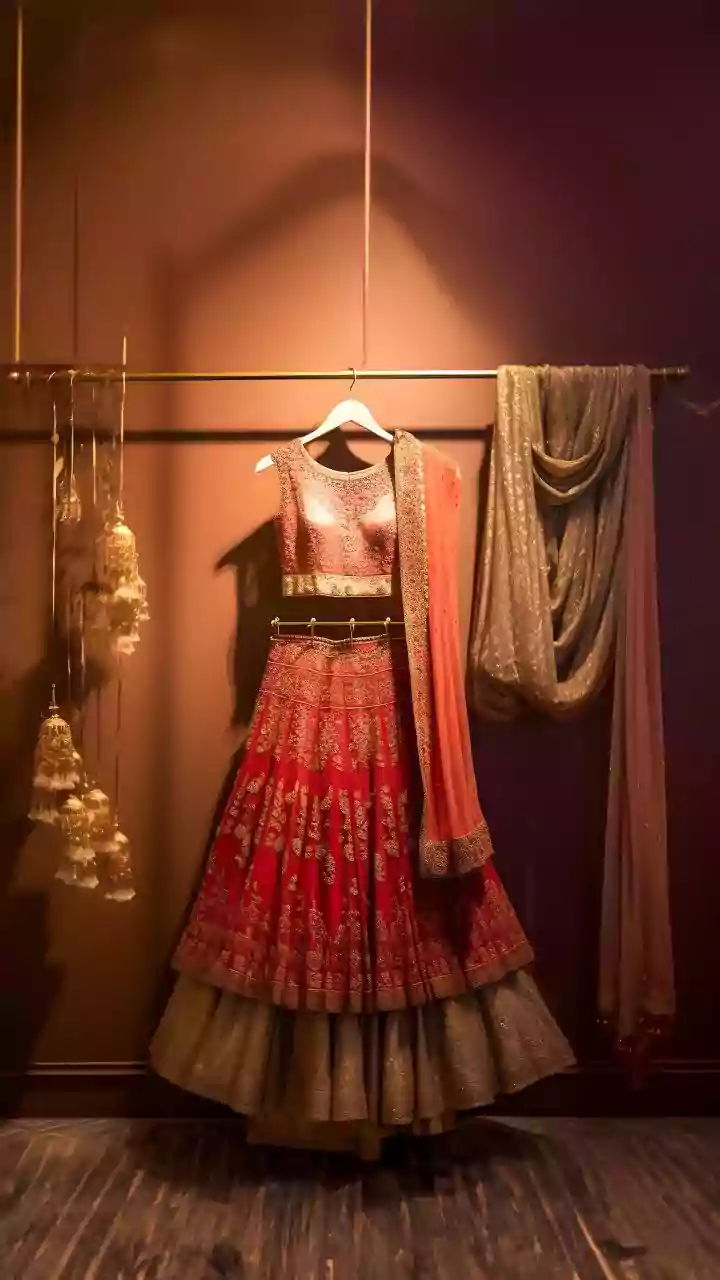
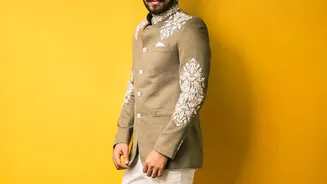
This movement is not just about changing silhouettes; it's also about celebrating the source. There is a renewed appreciation for heritage textiles and artisanal techniques. Designers and brands are increasingly working with handloom weavers and craft clusters across the country to bring fabrics like Banarasi silk, Chanderi, and Khadi into modern wardrobes. Instead of being used only for heavy lehengas, these rich textiles are being fashioned into structured blazers, contemporary dresses, and even trousers. This focus on handloom and traditional crafts like zardozi, chikankari, and block-printing also aligns with a growing consumer interest in sustainability and mindful fashion. It ensures the preservation of age-old skills while giving them a fresh, relevant context.
Designers and Brands Leading the Way
This sartorial shift is being championed by a diverse range of Indian designers. Established names like Anita Dongre and Sabyasachi have long pioneered the blend of Indian craftsmanship with global silhouettes, creating everything from Banarasi trench coats to ready-to-wear kurta sets. At the same time, a new wave of contemporary labels is emerging, each with a unique vision. Brands like Masaba Gupta are known for their playful prints on modern cuts, while others focus on upcycling vintage sarees into contemporary separates or using handloom textiles from specific regions like Nagaland and Mizoram for modern couture. This creative energy, amplified by social media, is making Indian fashion more dynamic and accessible than ever before.