






The Magic is in the Peel
Before you squeeze a lemon for its juice and toss the rest, pause. The real flavour powerhouse isn't just the juice; it's the colourful outer layer of the peel, known as the zest. This thin layer is packed with aromatic oils that hold the purest essence
of the fruit's flavour. While juice provides acidity and tartness, zest offers an intense, bright fragrance and taste without adding extra liquid. This makes it an incredibly versatile tool for elevating vegetarian cooking. The key is to use a microplane or fine grater to remove only the coloured part, avoiding the bitter white pith underneath.
A Zest for Every Occasion
Not all citrus is created equal, and each offers a unique profile for your culinary experiments. Lemon zest is the all-rounder, providing a bright, floral acidity that works well with nearly everything, from leafy greens to pasta. Lime zest is tangy and almost tropical, perfect for livening up bean salads, quinoa, and any dish with cilantro. Orange zest brings a sweet, fruity note that beautifully complements the natural sweetness of root vegetables like carrots and sweet potatoes, and can also balance the earthiness of broccoli or Brussels sprouts. And don't forget grapefruit; its slightly piney, bitter notes can add a sophisticated edge to dressings and marinades.
Brighten Roasted and Sautéed Vegetables
Roasting brings out the sweetness in vegetables, but can sometimes leave them tasting one-dimensional. This is where zest shines. Toss roasted carrots, sweet potatoes, or beets with orange zest to amplify their inherent sweetness. For earthier vegetables like broccoli, asparagus, and Brussels sprouts, a sprinkle of lemon zest after they come out of the oven can cut through any bitterness and add a fresh, clean finish. When sautéing greens like spinach or kale, stirring in some lemon or orange zest at the very end of cooking—after the pan is off the heat—preserves its vibrant aroma and prevents it from turning bitter.
Revitalise Grains and Legumes
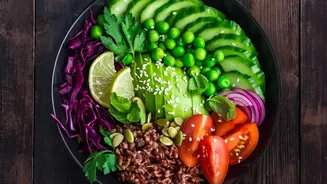
A simple pot of rice, quinoa, or lentils can be transformed with a last-minute addition of citrus zest. For a Mediterranean feel, stir lemon zest and fresh herbs like parsley or dill into cooked quinoa or couscous. A citrus quinoa salad, combining the grain with orange or lemon zest, makes for a refreshing and protein-packed lunch. Lime zest is a natural partner for black beans and corn, instantly giving your dish a zesty, Southwestern flair. It can also brighten up a simple lentil soup or a creamy lemon herb risotto, cutting through the richness and adding a layer of complexity.
Supercharge Your Sauces and Dressings
Adding zest is one of the easiest ways to build a more flavourful sauce or salad dressing from scratch. A simple vinaigrette of olive oil and lemon juice becomes exponentially more vibrant with the addition of lemon zest. For creamy pasta dishes, such as a vegan Alfredo or a tofu piccata, lemon zest provides a necessary acidic counterpoint that keeps the sauce from feeling too heavy. It can also be a key component in marinades for tofu or paneer, where the oils in the zest help to infuse the protein with a deep, aromatic flavour before it even hits the pan.