

From Government Triumph to Private Ambition
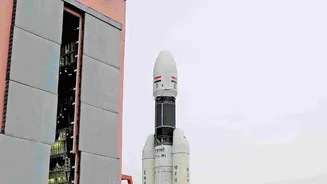
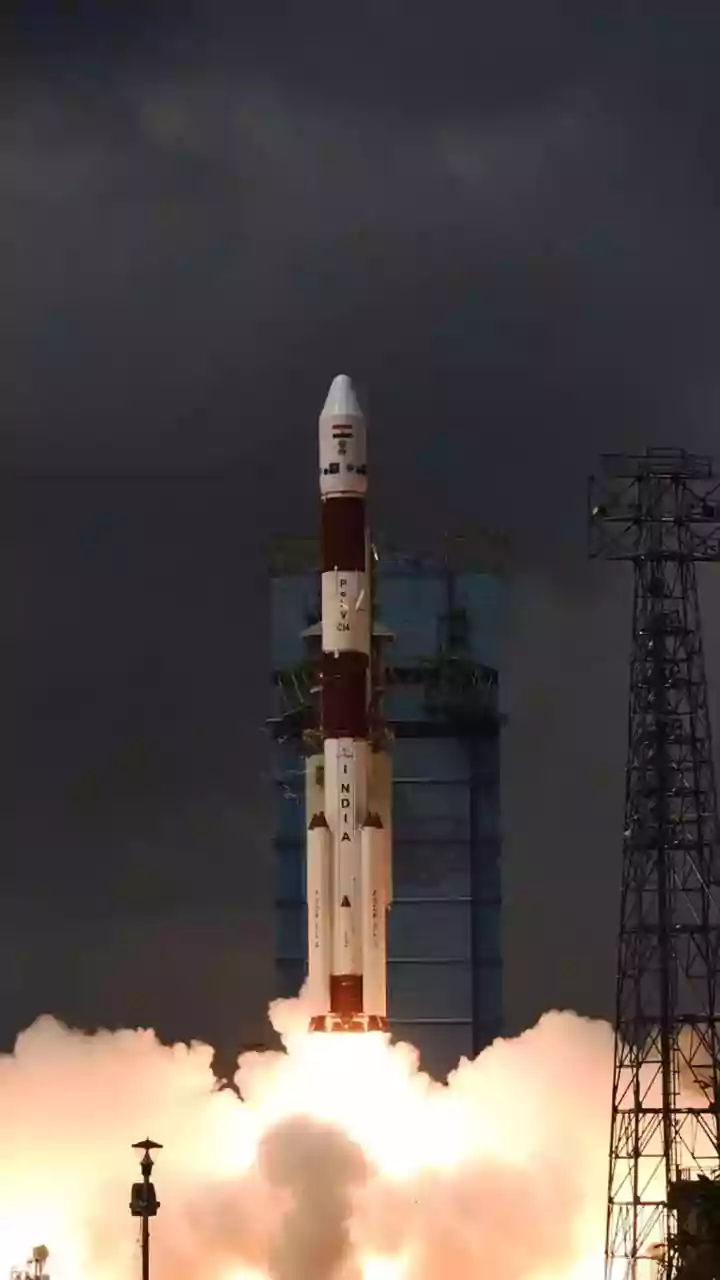
For decades, the Indian space story was written almost exclusively by the Indian Space Research Organisation (ISRO). From its first satellite, Aryabhutta, to the historic Chandrayaan missions, ISRO established India as a formidable space-faring nation,
renowned for its engineering prowess and cost-effective approach. The successful landing of the Pragyan rover near the lunar south pole in 2023 was a moment of immense national pride and a global demonstration of India's capabilities. But that success wasn't an endpoint; it was a catalyst. Today, the landscape is transforming. Spurred by government policies designed to open up the sector, a vibrant ecosystem of private companies is emerging. These startups are not just supporting ISRO; they are charting their own courses, aiming to build, launch, and operate their own hardware in the final frontier.
The New Breed of Lunar Explorers
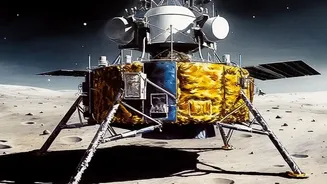
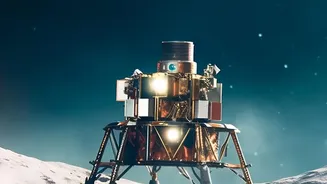
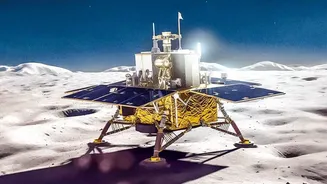
At the forefront of this private push is a new generation of aerospace entrepreneurs. Bengaluru, a long-established hub for technology and aerospace, has become a natural home for many of these ventures. One of the early pioneers was TeamIndus, which began as an audacious attempt to win the Google Lunar XPRIZE. Though the competition concluded without a winner, the effort galvanized a pool of talent, including retired ISRO scientists and young engineers, and proved that a private Indian entity could design and build lunar hardware. While TeamIndus itself has undergone changes, partnering with other entities like US-based OrbitBeyond for a time, its legacy lives on. Today, other companies are also entering the fray, drawing on the expertise of founders with backgrounds in prestigious institutions like ISRO and international universities. For instance, the company ORBITBeyond is establishing a major centre in Odisha to design and manufacture lunar landers and rovers for global missions, specifically choosing the state for its industrial and engineering ecosystem.
What Makes a Rover 'Low-Cost'?
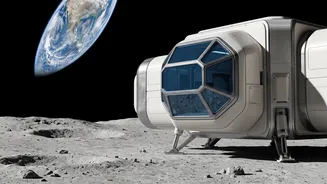
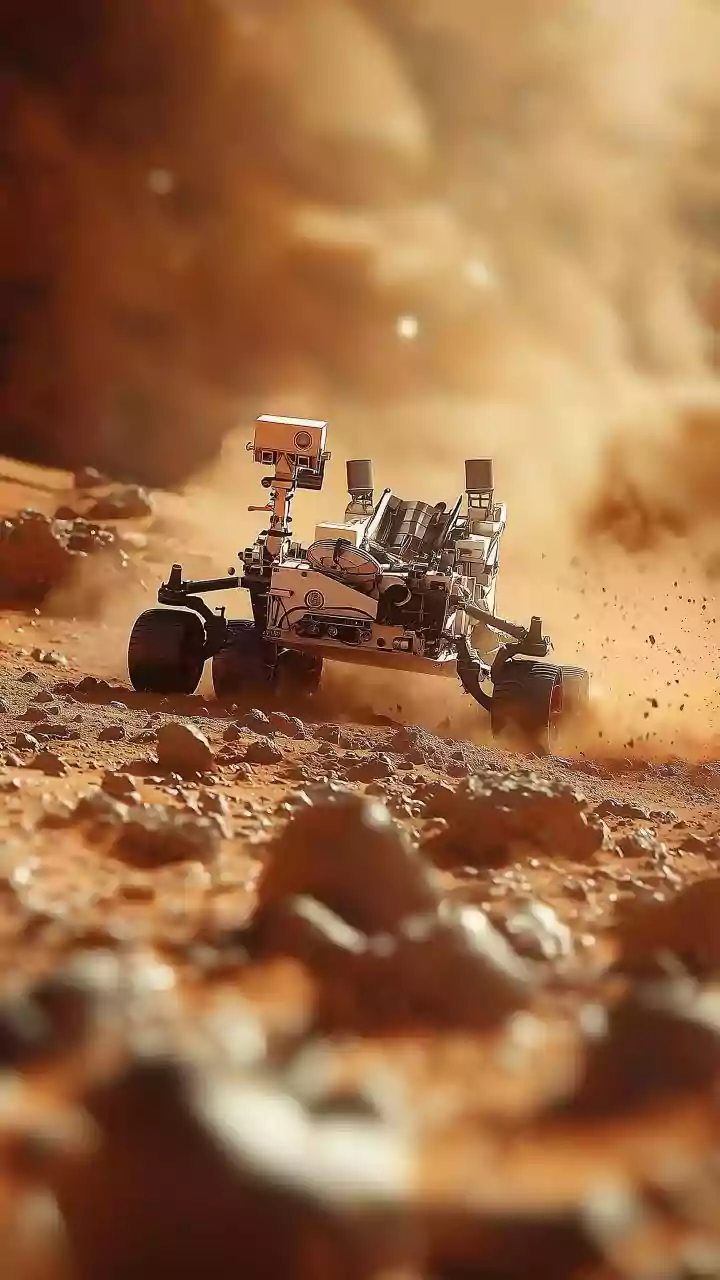
The term 'low-cost' is central to India's value proposition in the global space market. While ISRO's Chandrayaan-2 mission cost around $140 million—a fraction of the billions spent by the US on its Apollo program—startups are aiming to push the economics even further. The key is not a single breakthrough, but a combination of factors. These startups are leveraging India's strong base of skilled, affordable engineering talent. They are designing smaller, lighter rovers, often under 30 kg, which dramatically reduces launch costs. By using innovative systems engineering, new materials, and agile development processes, these companies are significantly cutting down the time and money required to get from a blueprint to a flight-ready system. The goal is to move away from the bespoke, decade-long development cycles of government agencies and towards a more streamlined, production-line approach to space hardware.
The 'Taxi Service' Model for the Moon
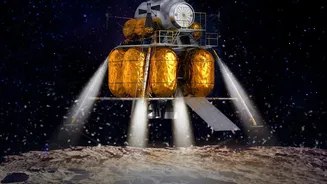
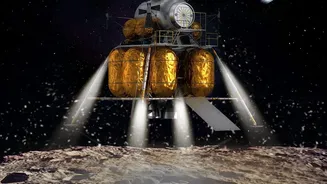
A critical piece of the business model is understanding the term 'commercial lander payloads'. These Indian startups are generally not building their own multi-billion dollar rockets. Instead, they are developing rovers that can be carried as cargo on landers built by other companies, both domestic and international. This is part of a growing global trend, exemplified by NASA's Commercial Lunar Payload Services (CLPS) program. The CLPS initiative effectively allows NASA to buy delivery services from private companies, which in turn creates a market for landers, rovers, and scientific instruments. By signing the Artemis Accords, India has positioned its domestic industry to participate in these international collaborations. This 'space-as-a-service' model allows rover developers to focus on their core technology without bearing the astronomical cost of a dedicated launch, effectively booking a ride to the Moon for their hardware.
Challenges on the Lunar Horizon
Despite the immense potential, the path to the lunar surface is fraught with challenges. The Google Lunar XPRIZE demonstrated just how difficult the task is, with multiple teams, including TeamIndus, ultimately unable to launch before the deadline due to financial and logistical hurdles. Landing on the Moon remains one of the most complex maneuvers in spaceflight, as failures by both private companies and national agencies have recently shown. Securing funding is a constant battle for startups in this capital-intensive industry. Furthermore, the lunar environment is unforgiving, with extreme temperatures and abrasive dust that can cripple robotic systems. Yet, for every challenge, there is a growing sense of optimism. The government's push for private sector participation, through agencies like IN-SPACe, is creating a supportive regulatory framework. As India plans for future missions, including a lunar sample return and a joint exploration with Japan, the opportunities for private companies to contribute and grow are only set to expand.