




A New Space Age Dawns
The dream of working in the Indian space industry was once synonymous with the Indian Space Research Organisation (ISRO). For generations, it was the pinnacle of scientific and engineering ambition. But the stars are realigning. The Indian government's
decision in 2020 to open the space sector to private participation has triggered a boom, transforming a government-led programme into a dynamic, multi-billion dollar industry. This has created a vibrant ecosystem of over 400 startups by 2026, working on everything from building rockets to analysing satellite data. This shift is not just changing India's position in the global space economy; it is fundamentally altering the career landscape for thousands of professionals.
The Policy That Opened the Airlock
The creation of the Indian National Space Promotion and Authorisation Center (IN-SPACe) in 2020 was the key that unlocked the door for private enterprise. Acting as a single-window agency, IN-SPACe facilitates private companies' entry into the space sector, allowing them to use ISRO's world-class facilities, access technology, and get regulatory authorisations. Complemented by the Indian Space Policy 2023 and liberalised Foreign Direct Investment (FDI) rules, these reforms have sent a clear signal: India is open for space business. This has led to a surge in private investment, creating a fertile ground for job creation and innovation. The goal is to grow India's share of the global space economy from around 2% to a projected 8-10% in the next decade.
Meet the New Players on the Launchpad
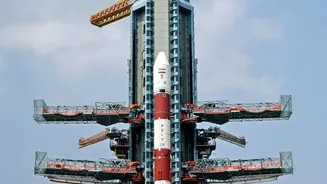
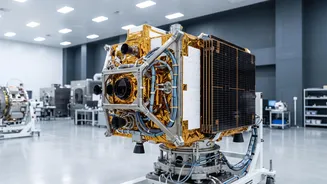
A new constellation of private companies is leading this charge. Firms like Skyroot Aerospace, which made history with India's first private rocket launch (Vikram-S), and Agnikul Cosmos, known for its 3D-printed rocket engines, are building the launch vehicles of tomorrow. In the satellite domain, companies like Pixxel are developing constellations for high-resolution earth imaging, while Dhruva Space is building satellite platforms for various applications. These are not just experimental ventures; they are well-funded companies with real hardware, government contracts, and international clients, rapidly moving from prototypes to commercial operations. Their rise has created innovation hubs in cities like Bengaluru, Hyderabad, and Chennai.
A Universe of Career Opportunities
The new space ecosystem demands a much wider range of skills than before. While aerospace and mechanical engineers are still central, the demand for software talent has exploded. Aerospace Software Engineers who can write flight software and mission planning algorithms are highly sought after. Data Scientists and Geospatial Analysts are needed to make sense of the vast amounts of data beamed back from satellites for applications in agriculture, climate monitoring, and urban planning. Furthermore, there is a growing need for professionals in non-technical roles that are crucial for scaling these businesses. This includes roles like Space Policy Analysts, business development managers, and legal experts specialising in space law. Reports suggest the sector could create over 200,000 new jobs by 2033.
What It Takes to Join the Race
For aspiring space professionals, the required skill set is broadening. Strong fundamentals in engineering, physics, and mathematics remain critical. However, proficiency in programming languages like Python, C++, and MATLAB is now almost a prerequisite for many technical roles. Experience with embedded systems, data analysis, and systems thinking are also highly valued. Importantly, private companies are looking for more than just academic credentials. They prize hands-on experience, a proactive attitude, and the ability to work in fast-paced, agile teams. For many, internships at these startups are proving to be the most effective launchpad into a full-time career in this exciting new industry.