




The Great Cloudy Obstacle
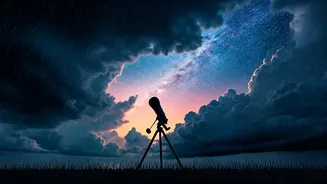
For any astronomy enthusiast in India, the arrival of the monsoon typically signals a frustrating hiatus. From June to September, the thick blanket of clouds that brings life-giving rain also obscures the celestial theatre. Traditionally, telescopes are
packed away, and star parties are postponed until the clear, crisp skies of autumn and winter return. The prevailing wisdom has always been straightforward: stargazing and monsoons don't mix. However, a creative shift is underway, driven by passionate astronomy clubs, educators, and astro-tourism companies who are unwilling to let the clouds win.
If You Can't Look Up, Look Inward
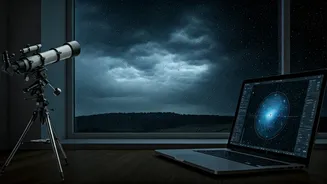
One of the biggest pivots for the astronomy community has been the move indoors and online. Recognising that the sky is off-limits, guides are focusing on building knowledge and community. Astronomy clubs and companies are now offering a packed calendar of monsoon-specific events. These include virtual workshops on topics from identifying constellations using software like Stellarium to the physics of black holes. Organisations are hosting online webinars with professional astronomers and live-streamed planetarium shows that can be accessed from any device. This digital shift makes astronomy more accessible than ever, allowing people from different cities to connect and learn together, irrespective of the weather outside. It's a chance to master the theoretical before the practical viewing season begins.
Chasing Breaks in the Clouds
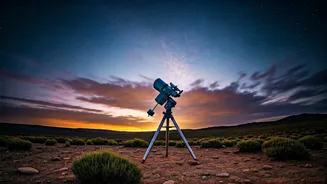
While many parts of India are drenched, some regions remain remarkably dry. Astro-tourists are now strategically travelling to rain-shadow areas that offer clearer skies even during peak monsoon. Spiti Valley in Himachal Pradesh and parts of Ladakh, for instance, are high-altitude cold deserts that receive minimal rainfall, making them prime destinations for monsoon stargazing. Closer to major cities, groups are adopting a more opportunistic approach. Guides in places like Malshej Ghat near Pune and Mumbai, or around Coorg in Karnataka, watch weather forecasts intently. They organise impromptu star parties during the brief, clear windows that often follow a heavy downpour, when the rain has washed the atmosphere of dust and pollutants, leading to exceptionally clear views.
From Stars to Storms: A New Focus
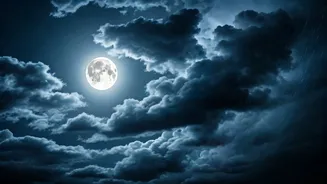
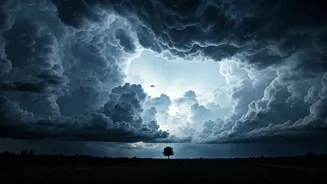
Instead of fighting the clouds, some guides are embracing them. The monsoon offers a different kind of celestial drama, and the focus is shifting to atmospheric optics. Workshops are emerging that teach enthusiasts how to photograph not just stars, but also lightning, dramatic cloud formations, and phenomena like lunar halos and coronas—bright rings that can appear around the moon when its light is refracted by water droplets in thin clouds. This new perspective encourages sky-watchers to appreciate the beauty of the atmosphere itself, turning a cloudy night from a disappointment into an opportunity. It's a chance to study weather patterns and the interplay of light, moisture, and air that is unique to this season.
Preparing for the Season Ahead
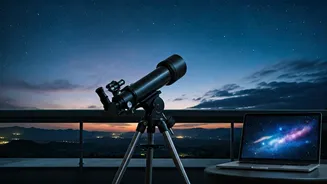
The monsoon is also being framed as the perfect 'pre-season' for aspiring astronomers. With outdoor viewing on hold, it’s an ideal time to get acquainted with the necessary equipment. Many astronomy groups now run monsoon workshops on how to choose, use, and maintain a telescope or a pair of binoculars. There are sessions on the basics of astrophotography, covering camera settings and processing techniques that can be practiced indoors. This allows newcomers to build their confidence and skills, so that when the clouds finally part post-monsoon, they are fully equipped and ready to make the most of the clear night skies. It’s a productive way to stay engaged and ensures the community's passion remains ignited throughout the year.