








Prioritise Daily Ventilation
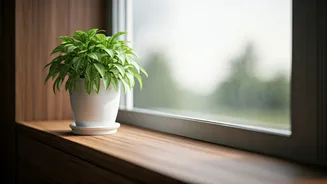
The single most effective habit for a fresher home during monsoon is promoting air circulation. Trapped, humid air is the main cause of musty smells and mould growth. Make it a routine to open windows and doors on opposite sides of your home to create
a cross-breeze, even for just 15-20 minutes. The best time to do this is during drier parts of the day or whenever the rain stops. This simple act flushes out stale, moist air and replaces it with fresh air, significantly reducing indoor humidity. If you're concerned about insects, installing mesh screens on windows is a great one-time solution.
Tackle Dampness at the Source
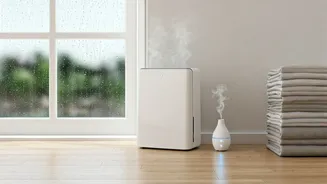
Excess moisture is the root of most monsoon home problems. Beyond ventilation, you can use natural moisture absorbers to combat dampness in enclosed spaces. Place bowls of coarse salt or baking soda in wardrobes, shoe racks, and kitchen cabinets. These simple household items naturally draw moisture from the air. For a more powerful solution in very humid rooms, a dehumidifier is a worthwhile investment. Additionally, be mindful of your furniture. Keep wooden items a few inches away from damp walls to prevent moisture absorption and potential mould growth. It’s also wise to roll up and store heavy carpets and rugs, as they can trap a significant amount of moisture and take a long time to dry.
Keep Wardrobes and Linens Fresh
That dreaded musty smell in clothes is a classic monsoon complaint. The key is ensuring clothes are bone-dry before they go into the cupboard. If sunshine is scarce, dry them indoors in a well-ventilated area, perhaps with a fan, but avoid leaving damp laundry in a heap. To protect stored clothes, place natural repellents and fresheners like dried neem leaves, naphthalene balls, or camphor in small cloth bags inside your wardrobe. Activated charcoal is another excellent option; it purifies the air and absorbs mould spores. Spacing out your clothes instead of packing them tightly also improves air circulation and prevents that stuffy smell.
Clean Floors and Surfaces Differently
Your cleaning routine needs a monsoon-specific adjustment. Wipe up any water tracked in from outside immediately. When mopping, you can add natural disinfectants to your water. A solution of white vinegar or a few drops of neem oil can help clean surfaces and deter mildew. Pay special attention to corners and areas under furniture where moisture can hide. After a shower, wipe down bathroom walls and floors to remove excess water and run the exhaust fan to vent out steam. For entryway management, use thick, absorbent doormats to trap mud and water at the door.
Introduce Natural, Pleasant Fragrances
Once you've tackled the sources of bad odours, you can introduce pleasant scents. Avoid heavy artificial air fresheners that merely mask smells. Instead, opt for natural solutions. Simmering citrus peels, cinnamon sticks, and cloves in a pot of water on the stove will fill your home with a warm, inviting aroma. You can create your own room spray by mixing water with a few drops of essential oils like lavender, eucalyptus, or lemongrass in a spray bottle. Placing bowls of potpourri or used coffee grounds (after drying them) in rooms can also help absorb lingering odours and release a subtle fragrance.