


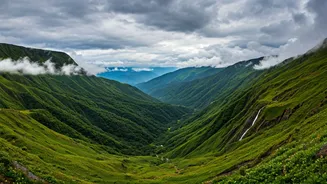


A Kingdom Reborn in Rain
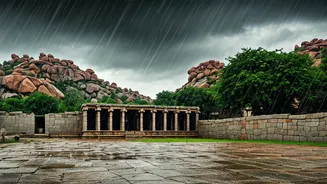
For much of the year, Hampi exists in a palette of ochre, beige, and brown. The UNESCO World Heritage Site in Karnataka is defined by its sprawling, boulder-strewn landscape and the sun-baked granite of its 14th-century ruins. [4, 10] But with the arrival
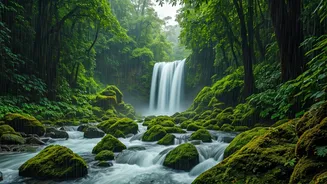
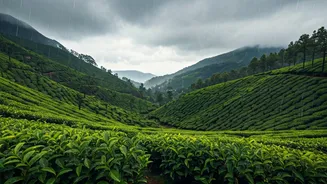
of the monsoon, a dramatic transformation occurs. The parched earth drinks deeply, and what was once a dry, dusty terrain erupts into a lush, green paradise. [3] The air, once thick with heat, becomes cool and heavy with the scent of wet earth. This seasonal shift offers a completely different perspective on the ancient city, revealing a softer, more contemplative side that stands in stark contrast to its usual stark grandeur. [17]
The Drama of Stone and Sky
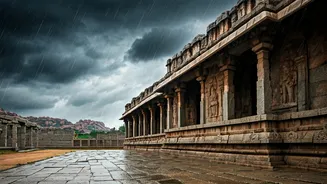
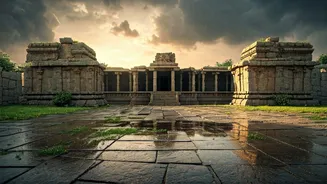
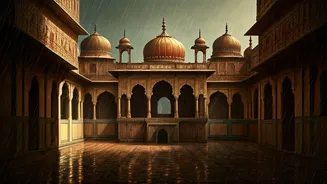
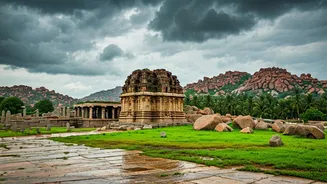
The rain does more than just nourish the landscape; it reimagines the architecture itself. The dark, brooding monsoon clouds create a dramatic backdrop for the towering gopurams and intricately carved temples. [5] The granite walls of the Virupaksha and Vittala Temples, darkened with water, seem to absorb the moody light, their detailed carvings gaining new depth and texture. [4, 5] The iconic Stone Chariot at the Vittala Temple complex appears as if freshly sculpted, its wheels glistening. [5] Puddles form in ancient courtyards, creating perfect, fleeting mirrors that reflect the sky and the surrounding structures, offering photographers a dreamlike canvas of symmetry and atmosphere. [5] The sound of rain striking stone adds a rhythmic, meditative soundtrack to the exploration of these hallowed grounds. [3]
Emerald Hills and a Swelling River
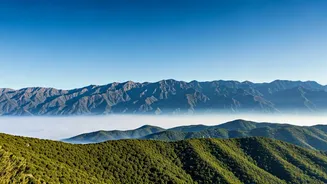
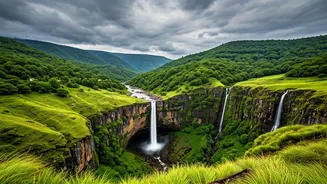
The beauty of monsoon Hampi extends far beyond the temple precincts. The boulder-strewn hills, including Matanga and Hemakuta, shed their arid appearance for a blanket of vibrant green. [3] The Tungabhadra River, which forges its path through the rocky terrain, swells with the seasonal rains. [3, 6] While this can sometimes lead to flooding of low-lying monuments near the banks, it also brings a powerful sense of life and energy to the river that served as the lifeline and northern barrier of the Vijayanagara Empire. [7, 20] A coracle ride on the invigorated river offers a unique vantage point, surrounded by rejuvenated nature and the silent, watching ruins. [19]
A More Intimate Encounter
One of the most appealing aspects of visiting Hampi during the monsoon is the relative peace and quiet. The peak tourist season is during the cooler, drier winter months, meaning that from July to September, the crowds thin out considerably. [3] This allows for a more personal and intimate connection with the sprawling site. [3] Exploring the vast ruins without the hustle and bustle of large crowds lets the sheer scale and history of the place sink in more profoundly. It’s a time for quiet reflection, where visitors can wander through the Lotus Mahal or the Elephant Stables and almost hear the echoes of a bygone era, accompanied only by the gentle drumming of the rain. [12]