




The Unshakeable Kingdom of Iced Coffee
For years, the iced coffee has been more than just a drink; it's a symbol of urban life. It represents productivity, a quick fix for afternoon slumps, and a social accessory. In India, coffee culture has exploded, transforming from a niche interest into
a mainstream lifestyle statement, particularly among millennials and Gen Z. Cafés have become the modern 'third place'—a hub for work, socialising, and connection. The iced coffee, in its many forms, from a simple cold brew to a decadent caramel-drizzled creation, is the fuel for this fast-paced culture. It’s convenient, familiar, and delivers a powerful caffeine punch that many urban dwellers feel they can’t live without.
Enter the Green Challengers
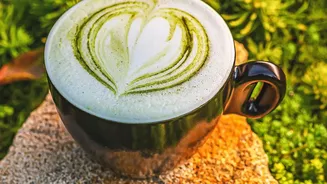
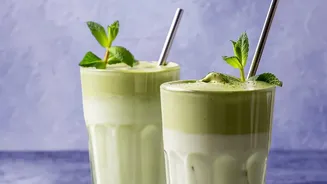
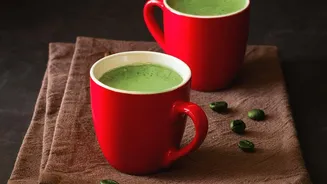
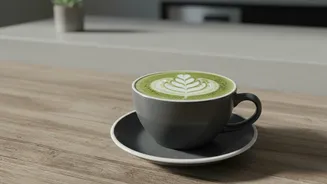
Walking into a café today, the sea of brown is increasingly punctuated by vibrant greens, yellows, and even purples. These are superfood lattes, beverages built around nutrient-dense, plant-based powders instead of an espresso shot. Leading this colourful charge are matcha and moringa, two green powerhouses that offer a fundamentally different proposition. They cater to a growing consumer base that seeks more than just stimulation from their drink; they want wellness, functional benefits, and a sense of mindful consumption. This isn't just about a new flavour, but a shift in values from the 'hustle' culture of coffee to the 'holistic health' culture these new drinks represent.
Matcha: The Mindful Buzz
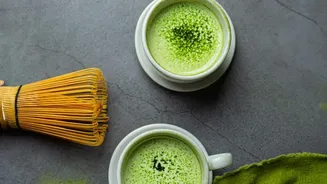
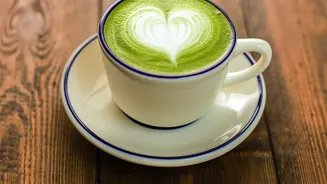
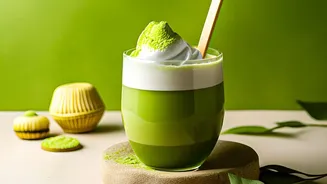
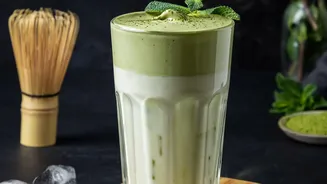
Matcha, a finely ground powder of specially grown and processed green tea leaves, is perhaps coffee's most direct challenger. While it contains caffeine, the experience is profoundly different. The secret is L-theanine, an amino acid abundant in matcha that promotes relaxation and focus. This unique combination of caffeine and L-theanine results in a state of 'calm alertness', providing sustained energy for three to six hours without the anxiety, jitters, or subsequent crash often associated with coffee. Marketed as a lifestyle product, matcha appeals to consumers looking for a smoother, more balanced energy boost. It's positioned not just as a drink, but as a ritual for mindfulness and enhanced cognitive function.
Moringa: The Caffeine-Free Powerhouse
Following closely is moringa, often called the 'miracle tree'. Derived from the leaves of the Moringa oleifera tree, this superfood is celebrated for its dense nutritional profile. It's packed with vitamins A and C, calcium, potassium, iron, and protein, all while being naturally caffeine-free. This makes the moringa latte an ideal choice for those who are sensitive to caffeine or looking for a nourishing beverage later in the day. Its benefits are tied to its anti-inflammatory and antioxidant properties. While matcha offers a different kind of buzz, moringa offers pure, clean nourishment, positioning itself as a restorative drink that supports overall wellbeing rather than providing a stimulant effect.
A Clash of Cultures: Habit vs. Health
The challenge to iced coffee isn't about which drink is 'better', but what each drink represents. Iced coffee is a deeply ingrained habit, a quick and reliable tool for a demanding lifestyle. Superfood lattes, on the other hand, are a conscious choice. They are generally easier on the stomach and align with long-term wellness goals like managing stress and improving sleep. This choice often comes at a higher price point and with a different flavour profile—matcha's earthy notes and moringa's vegetal taste can be an acquired preference. However, for a growing segment of the population, especially the health-aware and social media-savvy Gen Z, the aesthetic appeal and functional benefits are a powerful draw. They are choosing a beverage that feels like an act of self-care.