



The Allure of the Everyday Upgrade
It’s the end of a long workday, and you’re faced with a choice: the crowded metro or a comfortable, air-conditioned cab. The decision feels small. What’s an extra hundred rupees for a bit of comfort and sanity? This is the allure of the daily transport
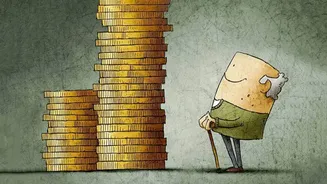
upgrade. Whether it's choosing a premium ride-hailing option like Uber Premier over a Go, or simply opting for an auto-rickshaw instead of the bus, these small choices feel insignificant in the moment. We justify them as a reward for hard work, a necessary convenience in a busy life, or a way to save a few precious minutes. In isolation, each decision makes perfect sense. But these 'little' upgrades are silent financial assassins, slowly chipping away at bigger goals without setting off any alarms.
The Compounding Cost of Convenience
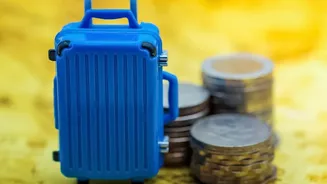
Let’s do the math. An extra ₹100 spent on your daily commute might not feel like much. But over a month of 22 working days, that’s ₹2,200. Annually, it balloons to ₹26,400. Suddenly, that 'small' upgrade has cost you a round-trip flight to Goa, a luxurious weekend staycation, or a significant chunk of an international travel budget. A recent analysis found monthly commuting costs in cities like Bengaluru can reach over ₹3,500 using the metro and last-mile services alone, with app-based cabs costing far more. If your daily upgrade from public transport to a cab costs ₹200-₹300, you could be spending upwards of ₹50,000 to ₹75,000 extra per year. This isn’t about shaming convenience; it's about making its true cost visible. That annual travel fund isn't just disappearing; it's being spent in small, daily instalments on your commute.
The Psychology of a Thousand Small Cuts
Why are we so willing to spend on these small upgrades? Behavioral economics calls this the 'pain of paying'. Handing over a large sum of money for a flight feels significant and painful, so we plan for it. But the small, frequent, and often cashless transactions for a daily cab ride barely register. It’s a classic case of 'mental accounting', a concept explained by economist Richard Thaler. We mentally separate our money into different buckets. The 'daily commute' bucket is seen as a recurring, flexible expense, while the 'vacation' bucket is for large, planned savings. We fail to see that a rupee saved in one bucket is a rupee that can be moved to the other. Our brains are wired to prefer small, immediate rewards (comfort now) over larger, delayed ones (a vacation later), a bias known as hyperbolic discounting.
How to Reclaim Your Travel Fund
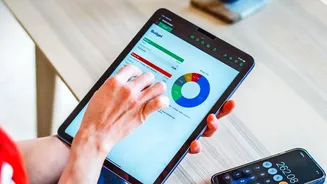
Becoming mindful of these costs is the first step to reclaiming your savings. Start by conducting a one-week audit of your transport expenses. Use a notes app or a simple diary to log every single rupee spent on getting from point A to B. At the end of the week, categorise the spending into 'essential' and 'upgrade'. The results may surprise you. Once you see the numbers, you can act. Try a 'downgrade challenge'. For one month, consciously choose the more economical option. Take the metro, use the non-AC cab, or try a bike taxi for shorter distances. The money you save isn’t just disappearing into your bank account; transfer it immediately to a separate savings account named 'Travel Fund'. Seeing that fund grow provides a powerful, tangible motivation that can override the desire for immediate comfort.
Make Your Commute Work for Your Goals
Cutting back doesn’t have to mean misery. It’s about strategic spending. Perhaps you decide the premium cab is worth it on a Friday evening, but the metro is fine for the Monday morning rush. Maybe you discover that leaving 15 minutes earlier makes the bus a perfectly viable and stress-free option. Many commuters in metro cities now check multiple apps like Uber, Ola, and Rapido before booking, as fares can vary significantly for the same route. The goal isn't to eliminate all comfort, but to make conscious choices. Every time you opt for the more frugal option, you are not depriving yourself; you are actively paying yourself first and investing in a future experience that will bring far more joy than a slightly more comfortable ride.