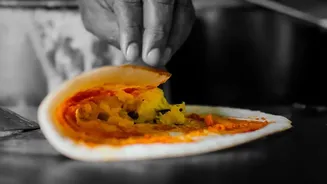



A delightful fusion of textures and flavours, the Rajgira Paneer Dosa is more than just a gluten-free alternative; it's a dish packed with nutrition and culinary history. Let's break down what makes this modern classic so special.
The Foundation: What is Rajgira?
The star of this dosa
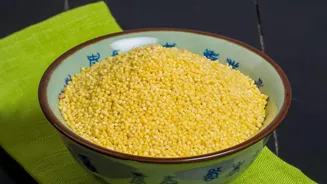
is 'rajgira', the Hindi name for amaranth flour. Though often called a grain, rajgira is technically a 'pseudo-cereal' ground from the seeds of the amaranth plant. For centuries, it has been a staple in Indian households, especially during fasting periods or 'vrat' because it is not a true cereal grain like wheat or rice. Rajgira flour is naturally gluten-free and prized for its impressive nutritional profile. It is a rare plant-based source of complete protein, meaning it contains all nine essential amino acids. Additionally, it is rich in minerals like calcium, magnesium, and iron, which support bone health and help combat fatigue. Its flavour is distinctly nutty and earthy, providing a wholesome base that is quite different from the neutral taste of a traditional rice-based dosa.
The Heart of the Dosa: All About Paneer
Paneer is a fresh, unaged cheese that forms the creamy, protein-packed heart of the filling. It is made by curdling milk with a food acid like lemon juice or vinegar and then pressing the resulting solids to remove excess moisture. The result is a soft, firm block of cheese that doesn't melt. This quality makes it perfect for crumbling or cubing into savoury dishes. Paneer has a mild, milky flavour, which makes it an excellent canvas for spices; it readily absorbs the flavours of any masala it's cooked with. As a staple in Indian vegetarian cuisine, paneer is valued not only for its texture and taste but also as a significant source of protein and fat, making any dish more substantial and satisfying. In this dosa, the crumbled paneer provides a soft, rich contrast to the slightly dense rajgira crepe.
The Dosa Form: A Gluten-Free Twist
While a traditional South Indian dosa is made from a fermented batter of rice and urad dal (lentils), the Rajgira Paneer Dosa forgoes this process. Instead, a simple, instant batter is created by mixing rajgira flour with water, salt, and sometimes other flavourings like cumin seeds or red chilli powder. This batter is then spread on a hot tawa, much like a crepe or chilla. Because rajgira flour is gluten-free, the resulting dosa has a different texture. It's softer and more delicate than its crispy, fermented rice-based counterpart and requires careful handling on the pan. The purpose is not to replicate the exact crispness of a classic dosa but to create a delicious, savoury pancake that serves as a vessel for the flavourful filling.
The Flavourful Filling: Spices and Aromatics
The paneer itself is just the beginning. The filling gets its character from a medley of aromatic spices and fresh ingredients. While recipes vary, the crumbled paneer is typically sautéed with a combination of finely chopped vegetables and seasonings. Common additions include green chillies for a bit of heat, fresh coriander for a bright, citrusy note, and ginger for a warm, zesty kick. The spice blend is crucial. Cumin seeds are often spluttered in hot oil or ghee to start, releasing their earthy aroma. Turmeric might be added for its colour and subtle bitterness, while red chilli powder can provide additional warmth. During fasting periods, regular table salt is swapped for 'sendha namak' (rock salt), and spices are kept minimal, often just cumin and black pepper, with onion and garlic omitted.
Putting It All Together: A Harmony of Ingredients
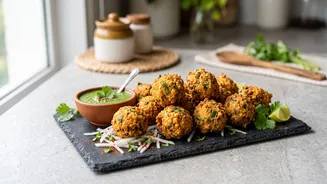
When you eat a Rajgira Paneer Dosa, you experience a thoughtful combination of elements. The nutty, slightly dense rajgira crepe wraps around the soft, savoury paneer filling. The spices in the filling—whether a simple 'vrat-friendly' mix or a more complex masala—bring the mild paneer to life. The dish as a whole is a study in contrasts: the earthy base against the fresh, milky cheese, and the simple crepe holding a burst of spiced flavour. It is often served hot with a side of 'farali' green chutney (a fasting-approved chutney, typically made with coriander, coconut, and green chillies) or a simple yogurt dip to complete the meal. This transforms a few simple ingredients into a well-rounded, satisfying, and nutritionally balanced dish.