





Aerospace & Propulsion Engineer
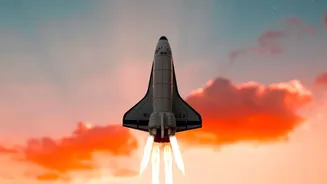
This is the classic role that puts the “rocket” in rocket science. Aerospace engineers design, build, and test the vehicles that travel through the atmosphere and into space. This includes everything from the aerodynamic shell of a launch vehicle to the complex
propulsion systems that power it. While the Indian Space Research Organisation (ISRO) remains a primary employer, the rise of private launch startups has created a dynamic new career track. Companies like Hyderabad's Skyroot Aerospace and Chennai's Agnikul Cosmos are aggressively hiring engineers to work on their next-generation launch vehicles. These roles require a strong foundation in mechanical, aeronautical, or astronautical engineering, with skills in CAD, propulsion systems, and materials science being highly valued. It’s a field where your work could directly contribute to putting satellites—and eventually humans—into orbit.
Satellite Data Scientist & Analyst
A rocket launch is just the beginning; the real value often comes from the data sent back to Earth. Satellites are constantly gathering vast amounts of information, from hyperspectral imagery to communication signals. A Satellite Data Scientist or Analyst is responsible for turning this raw data into actionable insights. Their work has far-reaching applications in agriculture (monitoring crop health), climate science (tracking deforestation), urban planning, and defense. Bengaluru-based startups like Pixxel and SatSure are leaders in this domain, hiring professionals with skills in remote sensing, Geographic Information Systems (GIS), machine learning, and Python. As India launches more satellite constellations, the demand for people who can make sense of the data they produce is set to explode.
Satellite Systems Engineer
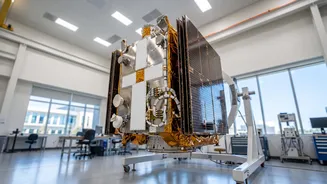
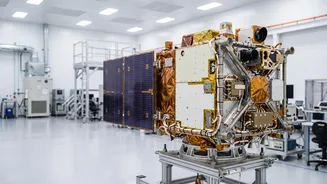
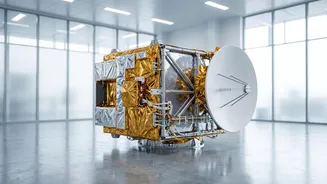
If propulsion engineers build the ride to space, satellite systems engineers build the passengers. These engineers are responsible for the entire lifecycle of a satellite—from initial design and component selection to assembly, integration, testing, and in-orbit operations. This is a multidisciplinary role that combines electronics, software, and mechanical engineering to create a resilient machine that can survive the harsh environment of space. They work on power systems, communication payloads, and attitude control—the systems that keep the satellite oriented correctly. With the growth of private satellite manufacturers like Dhruva Space, this role is becoming increasingly crucial in India's commercial space ecosystem. These companies are building everything from small CubeSats for specific scientific missions to large constellations for global connectivity.
Aerospace Software & Avionics Engineer
Modern spacecraft are as much about code as they are about hardware. Aerospace Software Engineers and Avionics specialists develop the electronic brains and nervous systems of rockets and satellites. They write the flight control software that guides a rocket to its destination, design the embedded systems for satellite operations, and build the mission control software used by ground stations. This field requires a blend of computer science and electrical engineering expertise, with knowledge of real-time operating systems (RTOS), embedded systems, and languages like C++ and Python being essential. Both ISRO and private companies heavily recruit for these roles, as the reliability of their software can mean the difference between mission success and failure.
Space Policy & Law Advisor
As space becomes more commercialized and crowded, the rules of the road are more important than ever. A career in space law and policy is a unique, non-engineering path into the industry. These professionals work on issues like spectrum allocation for satellites, international treaties governing space exploration, liability for on-orbit collisions, and the regulatory framework for private launches. With the establishment of IN-SPACe, India’s agency for promoting and regulating private space activities, the need for legal and policy experts has grown significantly. Professionals in this field often have a background in law, public policy, or international relations, combined with a deep understanding of the space sector’s technical and commercial aspects.