





Bringing a lush, green moss garden into your home is like capturing a piece of the forest floor. These miniature landscapes offer serene beauty, but their success hinges on understanding two key elements: moisture and light.
The Allure of a Miniature World
An indoor moss garden is more
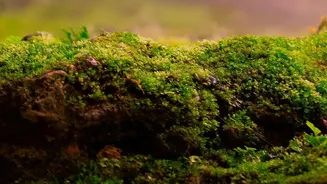
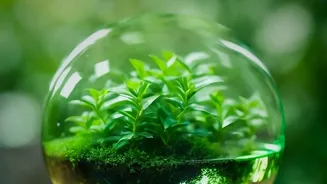
than just a houseplant; it's a living piece of decor. Often created in glass terrariums, bowls, or shallow dishes, these gardens showcase the velvet-like texture and deep green hues of moss. Their popularity comes from their low-maintenance appeal and the calming, natural feel they bring to a space. Unlike typical houseplants, mosses don't have true roots. Instead, they absorb water and nutrients through their leaves, which makes them uniquely suited for indoor environments where humidity can be controlled. They don't require fertilising and, once established, can be surprisingly resilient.
Building Your Garden From the Ground Up
Creating the right foundation is crucial. Start with a clean glass container, which helps trap the humidity that moss loves. Begin by adding a base layer of small pebbles or gravel for drainage. This prevents water from pooling and causing issues like rot. On top of the gravel, add a thin layer of activated charcoal. This is an important step as charcoal helps filter impurities and keeps the enclosed environment fresh. Finally, add your substrate. A thin layer of potting mix (without added fertiliser) or a blend of peat and sand will give the moss a surface to anchor onto.
Choosing Your Moss
Not all moss is the same. For indoor gardens, certain types are more adaptable. Cushion Moss, also known as Pincushion Moss, forms lovely dense mounds that look wonderful in bowls. Sheet Moss creates a flat, carpet-like effect, perfect for covering the 'ground' in your terrarium. Mood Moss offers a wilder, more textured look. When you get your live moss, it might look a little tired from its journey. Unpack it promptly, give it a light misting, and let it acclimatise for a few days before arranging it in your garden. Simply press the moss pieces gently onto the soil surface; there's no need to bury them.
Mastering the Art of Moisture
This is where many beginners go wrong. Moss loves humidity, but it hates being waterlogged. Overwatering is the number one cause of problems like browning or mould. The goal is to keep the moss and its substrate consistently moist, not soaking wet. The best method is misting with a spray bottle. Use rainwater or distilled water whenever possible, as the chlorine and minerals in tap water can harm moss over time and leave deposits on the glass. In a closed terrarium, you'll rarely need to water. Condensation on the glass is a good sign that the water cycle is working. If the glass is constantly foggy, however, open the lid for a few hours to let some excess moisture evaporate. An open dish will need more frequent misting, perhaps every few days.
Finding the Perfect Light
The second critical factor is light. Mosses are shade-dwelling plants by nature, typically growing under the canopy of trees. Strong, direct sunlight will scorch them, causing them to turn brown, yellow, or dry out completely. The ideal location for an indoor moss garden is a spot with plenty of bright, indirect light. This could be near a north-facing window, a few feet away from a brighter window, or even in a well-lit room that doesn't get direct sunbeams. Glass containers can magnify the sun's heat, quickly 'cooking' the delicate moss inside. If you notice the moss looking pale or bleached, it's a sign it's getting too much light.
Troubleshooting Common Problems
Even with the best care, you might encounter a few issues. If you see brown or dark patches, it's often a sign of overwatering. The fix is to increase ventilation by removing the lid for a while. Crispy, dry moss means the opposite—it needs more humidity and more frequent misting. White, fuzzy growth is likely mould, which thrives in damp, stagnant conditions. Remove the affected parts immediately and allow the terrarium to air out. Giving your closed terrarium a chance to breathe for about 30 minutes once a week can help prevent mould from starting.