



The Mid-Afternoon Blood Sugar Crash
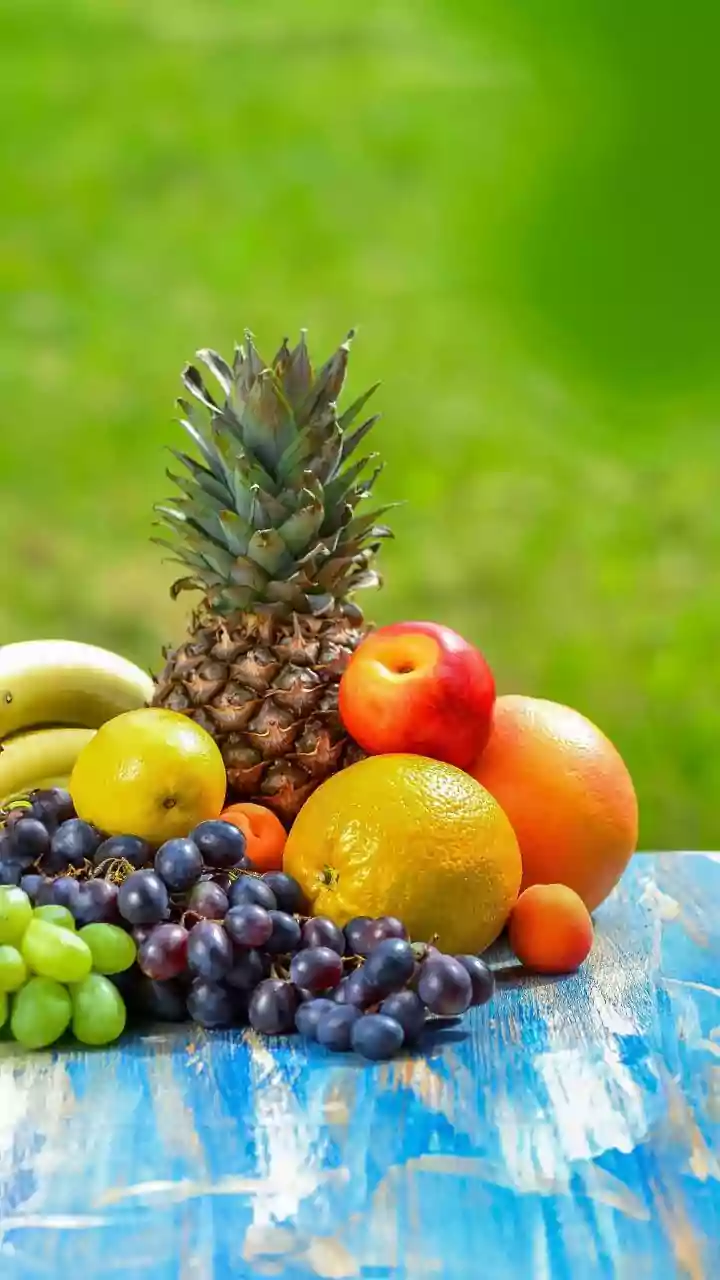
Let’s start with why a fruit-only snack can sometimes leave you wanting more. Fruits are fantastic sources of vitamins, fibre, and natural sugars (carbohydrates). When you eat them, these sugars are quickly digested, leading to a rapid rise in your blood
sugar. Your body responds by releasing insulin to manage this sugar, which can then cause a swift drop. This is the infamous 'sugar crash'—that feeling of fatigue, irritability, and sudden hunger that sends you searching for another snack. While fruit is infinitely better than processed sweets, eating it alone can sometimes put you on this metabolic rollercoaster.
Protein: The Perfect Partner
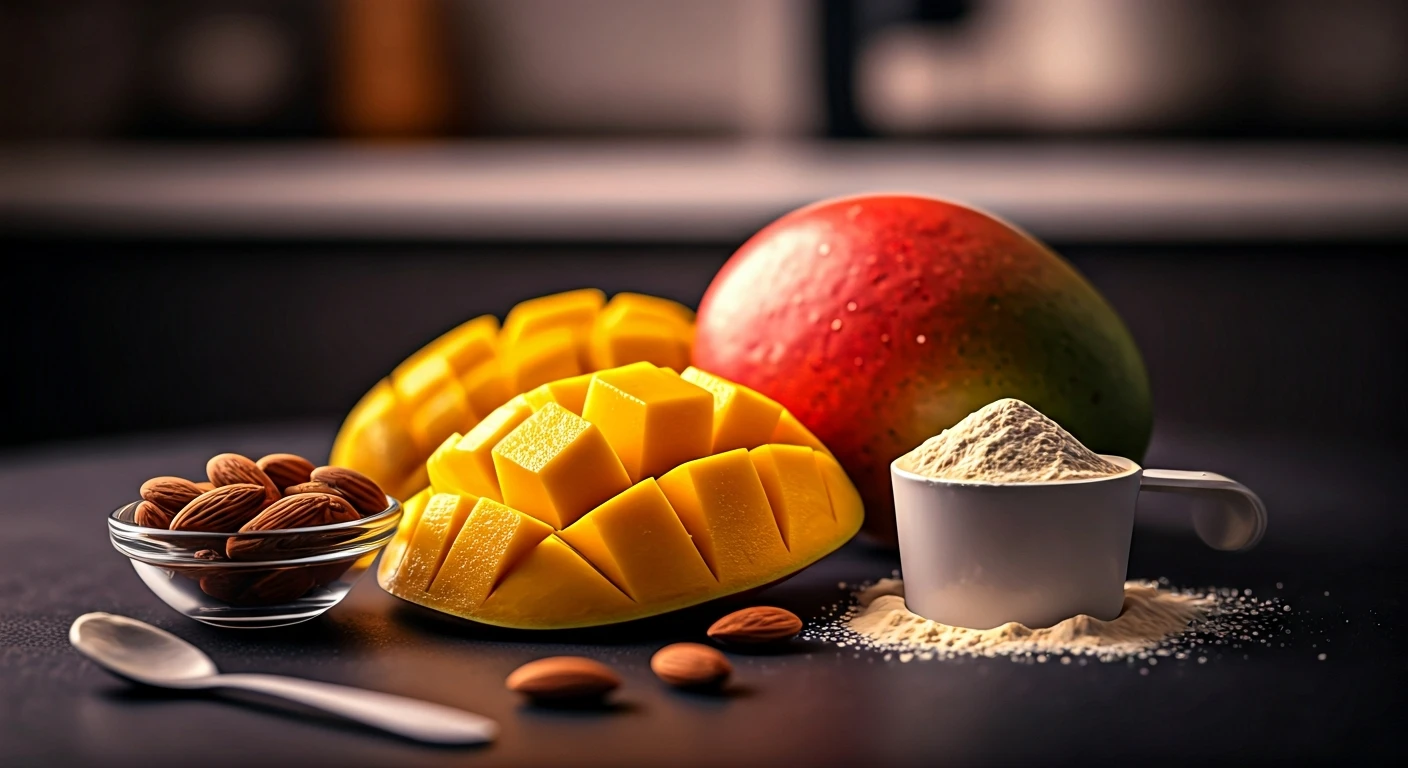
This is where protein makes its grand entrance. When you pair your fruit with a source of protein, you fundamentally change how your body processes the meal. Protein takes much longer to digest than carbohydrates. This simple fact has a powerful effect: it slows down the absorption of the fruit's sugar into your bloodstream. Instead of a sharp spike and crash, you get a much gentler, more sustained release of energy. Your blood sugar levels remain stable, keeping your energy and mood consistent for hours, not minutes.
The Science of Feeling Full
Beyond stabilising blood sugar, protein is the undisputed champion of satiety—the feeling of fullness and satisfaction after a meal. Eating protein triggers the release of hormones like peptide YY (PYY) and GLP-1, which signal to your brain that you are full. This means that adding a handful of almonds or a scoop of Greek yoghurt to your fruit doesn't just add calories; it adds a powerful appetite-suppressing mechanism. You'll feel satisfied for longer, reducing the urge for mindless grazing and helping you make more conscious food choices throughout the day.
Classic Combo: Apple Slices with Peanut Butter
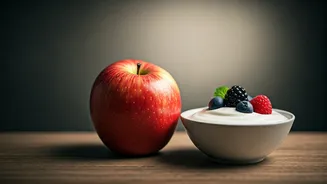
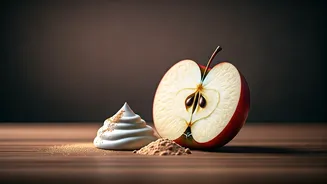
This is a timeless classic for a reason. The crisp, hydrating apple provides fibre and vitamin C, while a tablespoon or two of peanut butter (or any nut butter) delivers a solid dose of protein and healthy fats. This combination is not only delicious but also incredibly effective at crushing hunger pangs. The fibre from the apple and the protein from the peanut butter work in perfect harmony to keep you full and energised. For an extra boost, sprinkle a little cinnamon on your apple slices.
Creamy Dream: Banana with Greek Yoghurt
A banana is a great source of potassium and quick energy, but pairing it with Greek yoghurt elevates it to a complete mini-meal. Greek yoghurt is packed with protein—often double the amount of regular yoghurt—and probiotics for gut health. The creaminess of the yoghurt complements the sweetness of the banana perfectly. You can slice the banana into the yoghurt or simply dip it as you go. It’s a perfect post-workout snack, as the carbs help replenish glycogen stores while the protein aids in muscle repair.
Power-Packed: Berries with a Handful of Almonds
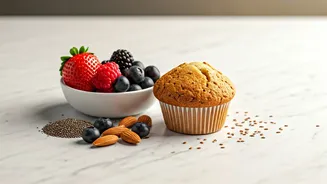
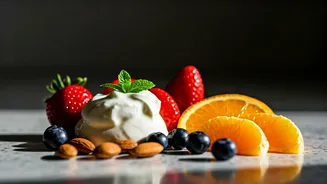
Berries like blueberries, strawberries, and raspberries are nutritional powerhouses, loaded with antioxidants and fibre. The only downside is that they are very low in calories and can leave you hungry. The solution? A small handful of almonds or walnuts. Nuts provide protein, healthy fats, and a satisfying crunch that contrasts beautifully with the soft fruit. This combination is easy to pack for an on-the-go snack and provides a fantastic array of micronutrients, from the vitamin C in the berries to the vitamin E in the almonds.
Tropical Twist: Pineapple with Cottage Cheese
Don't sleep on cottage cheese. It’s one of the most protein-dense foods you can find and has made a major comeback. A half-cup of low-fat cottage cheese can pack over 12 grams of protein. Pairing its mild, savoury flavour with the sweet, tangy taste of fresh pineapple creates a surprisingly delightful snack. The pineapple's enzymes can even help with digestion. This pairing is refreshing, filling, and a great way to meet your protein goals for the day.