



The Great Houseplant Myth
The idea that a few potted plants can scrub your home's air clean is a persistent and appealing one. Much of this belief stems from a famous 1989 NASA study that showed plants could remove volatile organic compounds (VOCs) from sealed chambers. The problem?
Your living room is not a sealed chamber on a space station. Subsequent analysis has revealed a simple truth: to truly replicate NASA's results, you would need an unfeasible number of plants—some estimates suggest hundreds in a single room to make a significant impact. While plants do absorb pollutants, their effect is dwarfed by a much more powerful factor: the simple exchange of air. So, while your snake plant is a beautiful addition, it's not a standalone air purifier.
What Plants Actually Do for Your Air
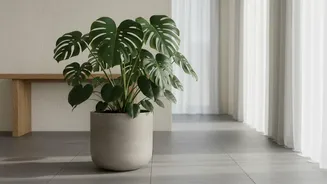
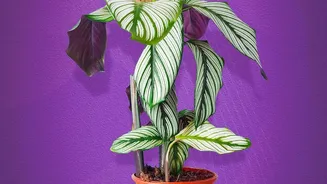
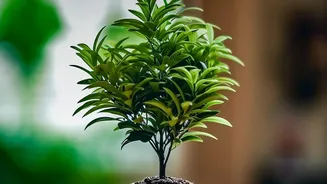
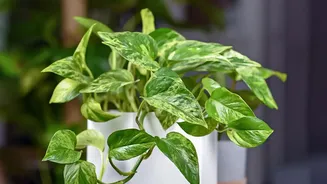
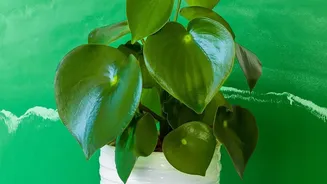
This doesn't mean your plants are merely decorative. They do contribute to a healthier indoor environment, just in a more subtle way. Plants absorb certain VOCs through their leaves and the microorganisms in their soil. These VOCs are gases released from thousands of common household items, including paints, cleaning supplies, new furniture, and even air fresheners. Chemicals like formaldehyde, benzene, and toluene are common culprits. Think of houseplants as slow, steady, biological filters. They work quietly in the background, chipping away at low levels of specific pollutants. They also offer other wellness benefits, such as increasing humidity through transpiration and, of course, providing a vital, mood-boosting connection to nature.
Ventilation: The Unsung Hero of Air Quality
If plants are the supporting cast, ventilation is the star of the show when it comes to clean indoor air. Research consistently shows that the most effective way to reduce indoor pollutants is to replace stale indoor air with fresh outdoor air. This process, known as air exchange, dilutes the concentration of VOCs, allergens, and other airborne particles far more rapidly and effectively than plants can absorb them. The concentration of many VOCs is often two to five times higher indoors than outdoors, making ventilation crucial. Good ventilation isn't complicated; it can be as simple as opening a window or as sophisticated as using a whole-house mechanical system. It's the 'reset' button for your home's atmosphere.
The Power of a Partnership
The most effective approach, as the headline suggests, is a partnership. Don't think of it as plants or ventilation, but plants and ventilation. This dynamic duo tackles indoor air pollution from two different angles. Ventilation provides the heavy-lifting, performing large-scale air exchanges that flush out the majority of pollutants quickly. Plants, meanwhile, act as a constant, low-level maintenance crew. They help to manage the VOCs that are continuously off-gassed by indoor items between periods of active ventilation. It's a complementary system where each component makes the other more effective, creating a more consistently clean and healthy indoor environment around the clock.
Your Two-Step Clean Air Action Plan
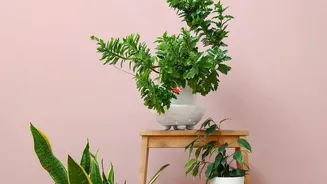
Putting this into practice is straightforward. First, boost your ventilation. Make it a habit to open windows on opposite sides of your home for 10-15 minutes each day to create a cross-breeze. Use exhaust fans in your kitchen and bathroom to expel moisture and pollutants directly outside. For a higher-tech solution, a good quality air purifier with a HEPA filter can capture fine particles, while a carbon filter can trap VOCs. Second, choose your plant allies wisely. While you don't need a jungle, a few healthy, well-cared-for plants can contribute. Good, low-maintenance options proven to handle common VOCs include Snake Plants (Sansevieria trifasciata), Peace Lilies (Spathiphyllum), and English Ivy (Hedera helix). Remember that healthy, larger plants with more leaf surface area and soil microbes will be more effective.