





Ever wonder why the coffee from your home Moka pot or coffee maker tastes different every day? The secret to a consistently delicious, balanced cup might be simpler than you think. It often comes down to one crucial, yet overlooked, factor: water temperature.
The Science Behind a Perfect Cup
Brewing coffee is essentially a process of extraction, where hot water dissolves flavours, oils, and acids from ground coffee beans. Temperature is the engine driving this process. According to the Specialty Coffee Association, the 'golden range' for optimal coffee extraction is between 90°C and 96°C (195°F to 205°F). If your water is too cool (below 90°C), it won't be powerful enough to dissolve all the desirable compounds. This leads to under-extraction, resulting in a cup that tastes disappointingly sour or weak. On the other hand, if the water is too hot, particularly at a rolling boil (100°C), it becomes too aggressive. It strips everything from the grounds, including unpleasant, bitter compounds. This is known as over-extraction, and it’s what gives coffee that harsh, burnt, or astringent taste.
Taming Your Moka Pot
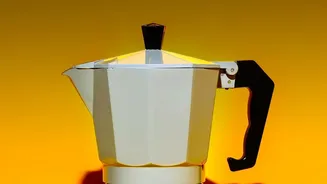
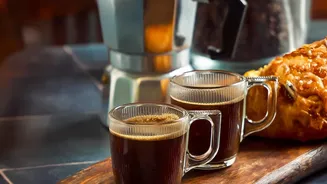
The iconic stovetop Moka pot is notorious for producing bitter coffee, but this is almost always due to excess heat. The biggest mistake is starting with cold water. As the pot sits on the stove, the metal heats up and can 'cook' the coffee grounds before the water even passes through them, leading to a metallic, bitter taste. For a smoother, richer brew, many experts recommend starting with hot water. Boil your kettle, let it sit for about 30-60 seconds to drop into that 90-96°C range, and then carefully fill the bottom chamber to just below the safety valve. Assemble the pot using a towel, as the base will be hot. Place it on a low-to-medium flame and watch closely. The moment the coffee starts to sputter or gurgle loudly, remove it from the heat. This sound indicates that steam, not hot water, is passing through the grounds, which is a primary cause of bitterness. For an even cleaner finish, you can run the base of the pot under cool water to stop the extraction process immediately.
Mastering the Automatic Coffee Maker
For those who use a standard electric drip coffee maker, temperature control can be tricky as most models don't allow you to set a specific temperature. Many budget-friendly machines fail to get the water hot enough, often not reaching the minimum 90°C required for good extraction. This is a major reason why drip coffee can taste flat and sour. If your machine has a thermal carafe, a simple trick is to run one cycle with just water first. This preheats the internal components and the carafe, helping to maintain a more stable brewing temperature during the actual coffee-making cycle. Some machines require you to pour water into the reservoir yourself. In this case, use water that you've just boiled and let cool for a minute, rather than using room-temperature or cold tap water. This ensures the brewing starts at a higher, more effective temperature, leading to a much more flavourful and balanced cup.
Simple Tips for Temperature Control
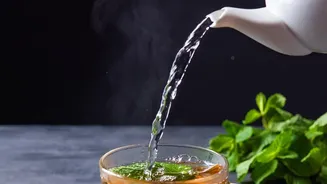
You don't need expensive equipment to get your water temperature right. A simple kitchen thermometer can give you a precise reading and is a great investment for any coffee enthusiast. If you don't have one, a reliable method is the 'off-boil' technique. Simply bring your kettle to a full boil, then take it off the heat and let it stand for about 30 to 60 seconds. This will naturally bring the temperature down from 100°C to within the ideal 90-96°C range, perfect for most brewing methods. Also, pay attention to your roast. Lighter roasts are denser and often benefit from being on the hotter end of the spectrum (around 96°C) to help extract their delicate flavours. Darker roasts are more porous and extract easily, so they do better with slightly cooler water (around 90-92°C) to avoid pulling out too much bitterness.