


The End of the Guilt-Driven Cycle
For generations, festive eating has been a cycle of indulgence followed by guilt. From Diwali to Durga Puja, the array of rich curries, fried snacks, and decadent sweets is central to the celebrations. This often leads to overeating, digestive discomfort,
and a general feeling of lethargy. However, there is a growing consciousness that enjoying festivals does not have to come at the expense of one's health. Experts note a trend towards mindful indulgence, where the focus is not on restriction but on making smarter, more balanced choices. This shift is driven by increased health awareness, a desire for sustained energy, and the understanding that festive joy and well-being can coexist.
Crafting a Balanced Festive Plate
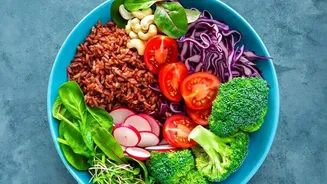
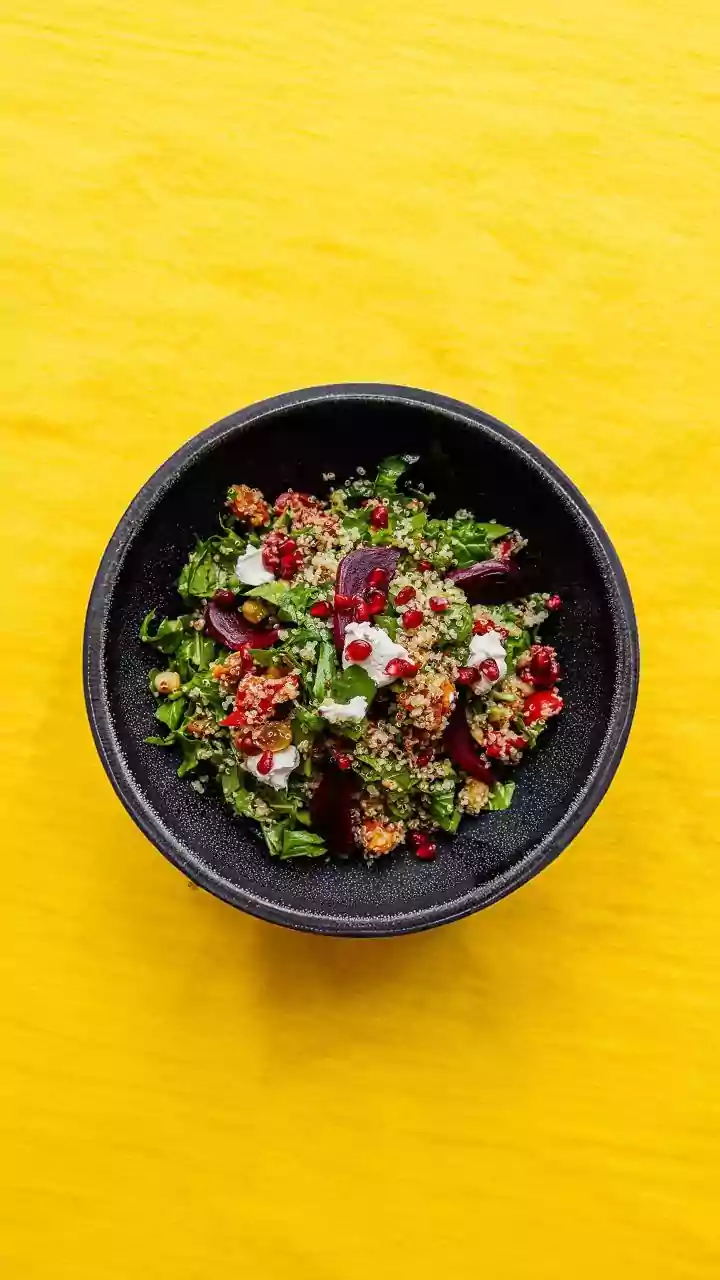
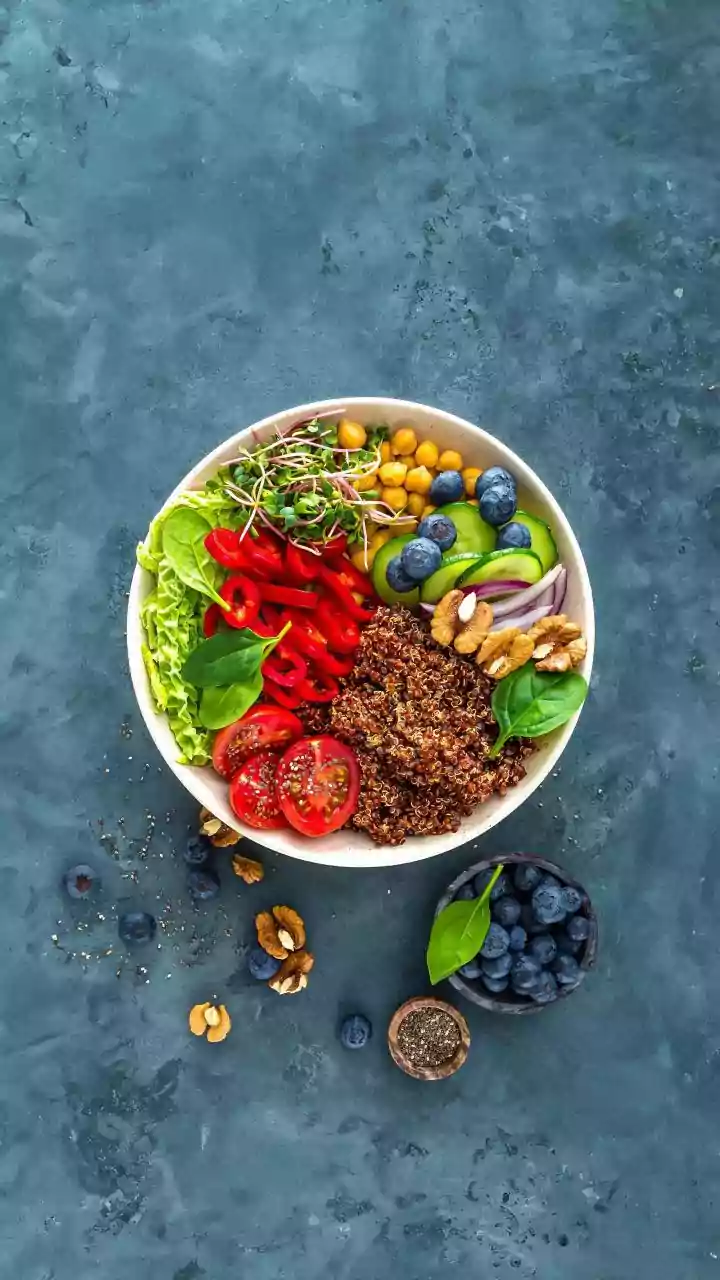
The secret to healthier festive eating lies in the 'plate method'. Nutritionists suggest a simple formula for building a more balanced meal without giving up traditional flavours. Fill half of your plate with vegetables or a fresh salad. This adds fibre, which aids digestion and helps you feel full, reducing the temptation to overindulge in heavier dishes. Dedicate one-quarter of the plate to a source of protein like dal, paneer, chana, or lean meat. Protein increases satiety, helping to prevent overeating. The final quarter can be for carbohydrates such as rice, roti, or pulao. This approach ensures you get a mix of essential nutrients while still enjoying the festive spread.
Navigating Sweets and Snacks
Festive sweets, or mithai, are often the biggest challenge. Instead of avoiding them entirely, which can lead to cravings, the new mantra is to choose wisely and savour mindfully. One popular strategy is the 'one-sweet rule': pick your absolute favourite treat and enjoy it slowly, rather than sampling everything on offer. Portion control is also key; cutting sweets into smaller, bite-sized pieces allows for guilt-free indulgence. When it comes to snacks, opting for baked, roasted, or air-fried versions of classics like samosas and tikkis can significantly reduce calorie intake. Preparing sweets at home using natural sweeteners like jaggery, dates, or fruit pulp instead of refined sugar is another popular and healthier alternative.
Mindful Indulgence in Practice
Beyond what's on your plate, how you eat matters just as much. Eating slowly and paying attention to your body's hunger and fullness cues is a cornerstone of mindful eating. It gives your body time to register that it's satisfied, preventing that overstuffed feeling. Staying hydrated is another simple yet effective tip; sometimes thirst is mistaken for hunger, so sipping water throughout the day can help manage cravings. Planning ahead can also make a huge difference. Having a small, healthy snack before heading to a party can curb extreme hunger and prevent you from making impulsive food choices. It's not about an all-or-nothing approach, but about finding a sustainable balance that allows for both celebration and health.
Don't Forget to Move
Physical activity is a crucial part of the equation. It doesn't have to be an intense workout; even a short walk after a heavy meal can aid digestion and help manage blood sugar levels. Incorporating some form of movement into your festive routine, whether it's dancing, playing games with family, or a morning walk, helps burn extra calories and boosts your mood. The goal is to create a holistic approach where delicious food, joyful movement, and mindful choices work together. This ensures that the festive season leaves you feeling rejuvenated and happy, rather than bloated and tired.