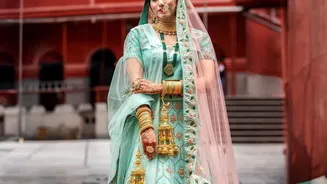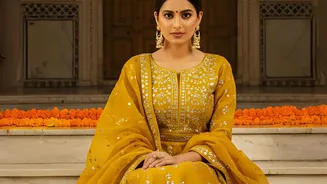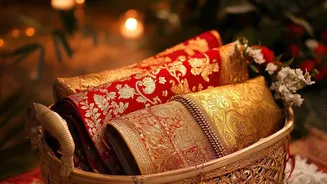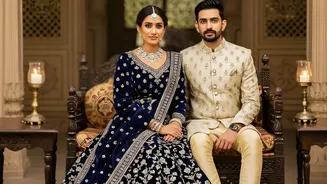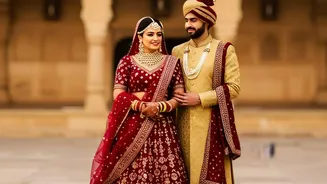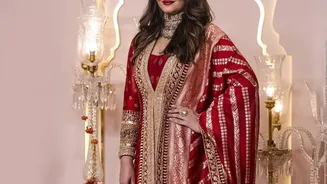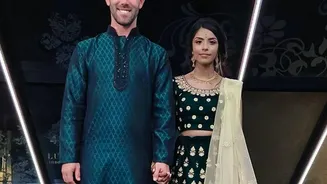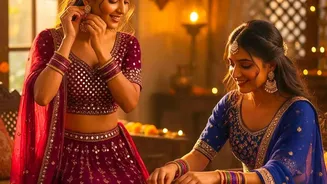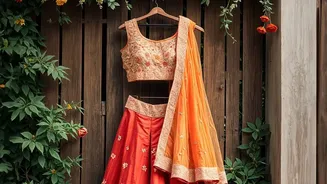



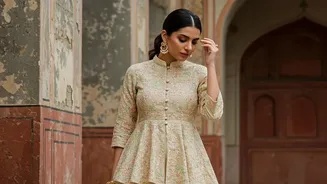
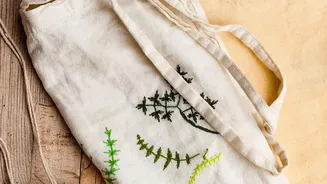
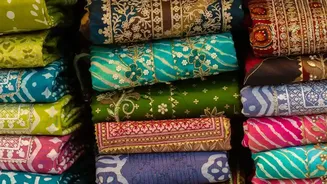
The big fat Indian wedding is getting a conscious makeover. As the 2026 season approaches, a new trend is redefining bridal luxury: rewearable fashion. More couples are saying 'I do' to thrifted, vintage, and upcycled wedding wear.
From 'Something New' to 'Something Renewed'
For generations, Indian
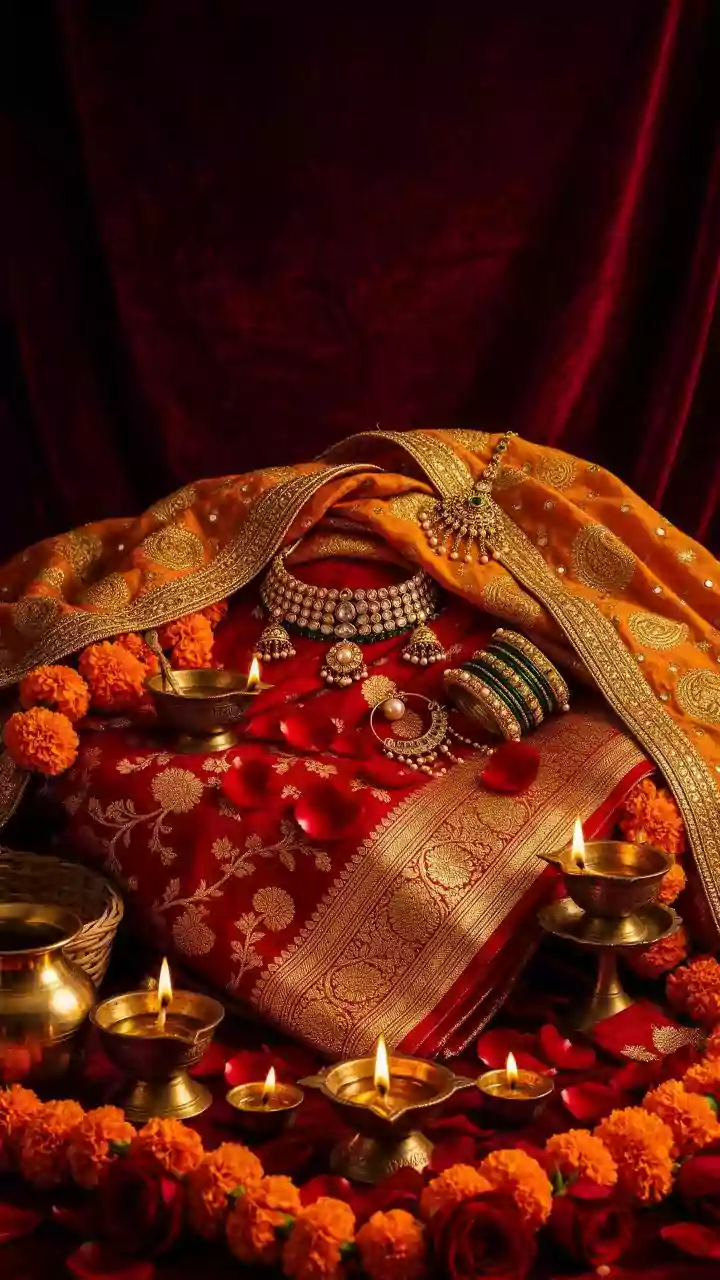
wedding attire has been synonymous with brand-new, opulent garments, often worn just once. But a significant cultural shift is underway, driven by Millennials and Gen Z who prioritise authenticity and sustainability. This new wave is trading the pressure of purchasing elaborate, single-use lehengas for the charm of pre-loved treasures. The appeal lies not just in being eco-friendly, but in finding unique pieces with a story. Whether it's a Banarasi silk saree passed down through generations or a designer lehenga sourced from a pre-loved platform, the focus is on sentiment and style over newness. This isn't about rejecting tradition, but redefining it for a modern, conscious era.
The Drivers: Conscience, Cost, and Character
This trend is fueled by three main factors. Firstly, a growing environmental consciousness makes the wastefulness of traditional wedding spending feel outdated. Young Indians are increasingly aware of their carbon footprint and are making choices that reflect their values. Secondly, the economic logic is undeniable. Second-hand designer wear offers access to luxury labels at a fraction of the retail price, freeing up budgets for other priorities like travel or experiences. Finally, there's the desire for individuality. In a world of mass production, a vintage piece or a thrifted find guarantees a one-of-a-kind look that stands out, telling a personal story that a brand-new outfit cannot.
How Couples Are Embracing the Trend
Incorporating secondndhand fashion isn't an all-or-nothing approach. Many are starting with smaller prewedding functions like the Haldi or Mehendi, opting for a vibrant, thrifted Anarkali or a restored family heirloom. Some brides are upcycling their mother's or grandmother's wedding sarees, having them transformed into contemporary lehengas or gowns that blend heritage with modern style. Others hunt for statement pieces, like a vintage Phulkari dupatta to pair with a new, minimalist skirt. The market is responding with a growing ecosystem of online thrift stores, rental platforms, and designers specializing in refurbishing old textiles, making it easier than ever to find these gems.
Redefining Wedding Luxury
Ultimately, the rise of rewearable wedding fashion signals a deeper change in what we consider 'luxury'. For today's couples, the story behind an outfit is becoming the new status symbol. It’s less about the price tag and more about the piece's journey, craftsmanship, and emotional weight. A bride wearing her mother’s restored wedding saree isn't just wearing a beautiful garment; she's wearing a legacy. This mindset also extends to modular outfits—pieces designed to be worn again in different combinations long after the wedding is over. Designers are creating lighter, more versatile lehengas and separates that prioritize comfort and reusability, a stark contrast to the heavy, singleuse garments of the past.