





An Emotional Buenos Aires Send-Off
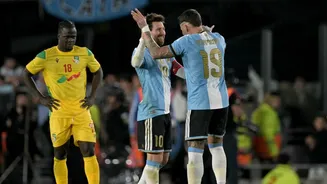
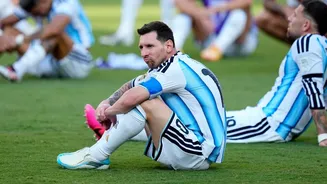
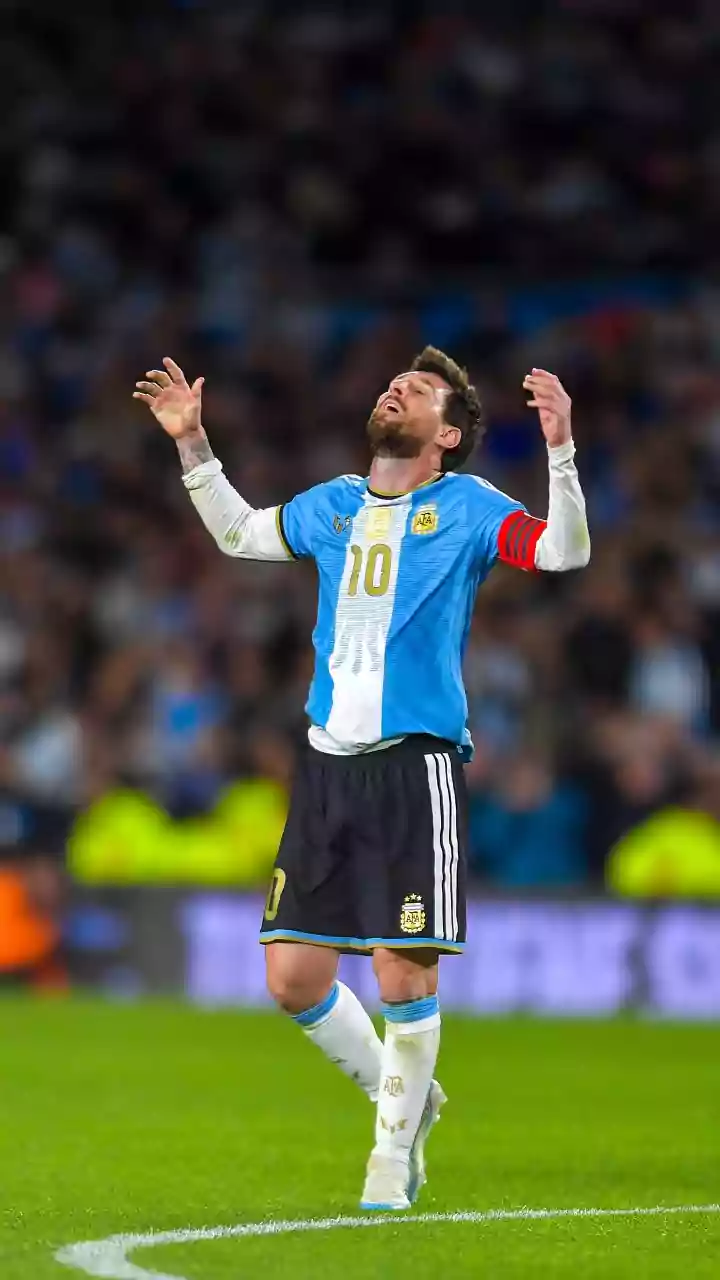
The football was almost a secondary event to the emotion that engulfed the Estadio Monumental in Buenos Aires. Before the match against Benin, a tearful Lionel Messi was seen on the team bus as it navigated through streets packed with adoring fans. Inside
the sold-out, 85,000-seat stadium, a giant jersey with 'Gracias' printed above his iconic No. 10 was unfurled on the pitch. Accompanied by his children, the 39-year-old superstar struggled to hold back tears during a powerful rendition of the national anthem. The game itself was paused in the 10th minute, a deliberate tribute to his shirt number, allowing the crowd to give their captain one last, thunderous standing ovation. It was an atmosphere charged with two decades of shared history, a collective thank you for a journey that brought Argentina to the pinnacle of world football.
One Final Masterclass
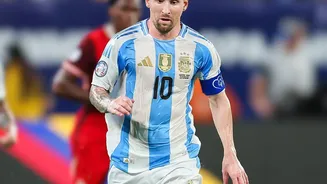
For 45 minutes, it seemed the storybook ending might not materialise. Despite several chances, the first half ended goalless. But after the break, Messi seized control of his own narrative. In the 48th minute, he delivered a perfect corner kick for his long-serving teammate and fellow retiree, Nicolás Otamendi, to volley home the opener. Then came a glimpse of the future. In the 61st minute, Messi played a simple pass to 22-year-old Nico Paz, who is tipped to be his successor, and the youngster curled a stunning strike into the net for Argentina's second. The moment everyone was waiting for arrived in the 71st minute. When a penalty was awarded, there was only one man who could take it. Messi stepped up and confidently converted from the spot, scoring his 126th and final goal for his country in his 208th appearance.
The Long Road to Redemption
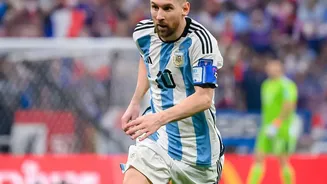
The triumphant farewell was a stark contrast to the many years of heartbreak Messi endured with the national team. His career was long defined by devastating near-misses, including the 2014 World Cup final loss to Germany and consecutive Copa América final defeats in 2015 and 2016, the last of which prompted a brief, angst-ridden retirement. For years, the shadow of Diego Maradona and the immense pressure to deliver a major trophy weighed heavily. But the final chapters of his international story were pure vindication. He led the team to a cathartic 2021 Copa América title, their first major honour in 28 years. This was followed by the 2022 Finalissima and, most iconically, the 2022 FIFA World Cup in Qatar, where he cemented his legacy as the greatest of all time. This final match wasn't just a goodbye; it was a victory lap for a player who gave everything to his country and finally won it all.
Passing the Torch
With a goal and two assists, Messi’s final contribution was a microcosm of his career: he was both a prolific scorer and a sublime creator. His final assist, to the young Nico Paz, was deeply symbolic, a passing of the torch from one No. 10 to the next. His retirement, announced in August following Argentina's World Cup final loss to Spain, was explained with his characteristic humility: 'I gave it my all; I have nothing left to give, and besides, there are great young players coming up who deserve their chance'. The departure of Messi, along with 38-year-old vice-captain Otamendi, truly marks the end of a golden era. While a new generation led by talents like Paz, Enzo Fernández, and Alexis Mac Allister now steps forward, the void left by their captain is immeasurable. For over 20 years, he was more than a player; he was Argentina's hope, and finally, its champion.