


A quiet but powerful shift is reshaping Indian homes. After years of looking outwards for decor trends, designers are turning inwards, prioritising locally handcrafted materials over mass-produced imports. This is more than just a trend; it's a movement.
A Return to Cultural Roots
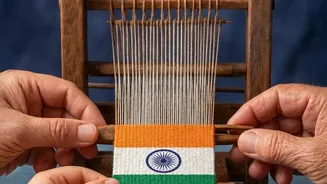
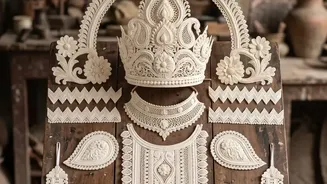
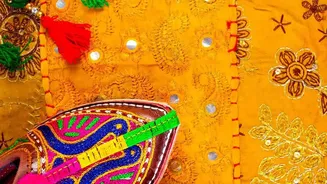
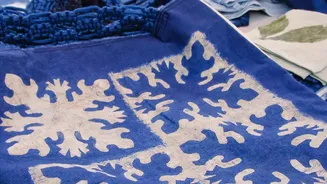
For many designers, the turn towards local crafts is a conscious decision to reject generic, uniform interiors. Handcrafted items infuse a space with a story and a sense of place that machine-made goods cannot replicate. Each piece, whether it's a block-printed textile from Rajasthan, a terracotta pot from a village potter, or a piece of carved rosewood furniture, carries the imprint of its maker and region. This allows designers to create homes that are deeply personal and reflective of India's rich and diverse cultural heritage. By incorporating traditional motifs, materials, and artisanship, decorators are crafting spaces that feel both authentic and rooted, offering a direct response to the sameness of globalised design.
The Push for Sustainability
Environmental consciousness is a major driver behind this trend. Using locally sourced materials like bamboo, jute, reclaimed wood, and natural stone significantly reduces the carbon footprint associated with transportation. Furthermore, traditional craft processes are often inherently more sustainable than industrial manufacturing, using less energy and fewer chemical treatments. This focus on eco-friendly design is no longer a niche concern but a central part of modern luxury, where the value of an object is tied to its environmental and social impact. Homeowners are increasingly aware of their consumption and are choosing materials that are not only beautiful but also kind to the planet, making sustainability a key factor in their design choices.
Supporting Local Economies and Artisans
Choosing handcrafted materials is also an economic act. The Indian handicrafts sector is a cornerstone of the rural economy, employing millions of artisans, many of whom are from marginalised communities. For decades, these artisans faced immense challenges, from competing with cheaper, mass-produced goods to limited market access. When interior designers prioritise their work, they create a vital commercial channel that supports these artisans directly. This provides sustainable livelihoods, preserves generational skills that were at risk of disappearing, and injects economic vitality back into local communities. It transforms a simple purchase into a meaningful investment in India's cultural and economic fabric.
The New Face of Modern Indian Aesthetics
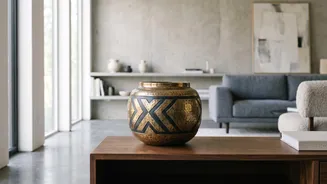
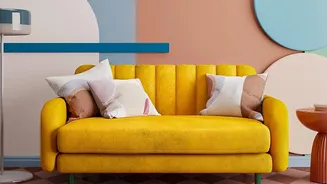
Perhaps the most compelling reason for this shift is how seamlessly traditional crafts integrate with modern aesthetics. Handcrafted does not mean old-fashioned. Designers are skilfully blending artisanal elements into clean, contemporary layouts to create a style often called 'Indo-Modern' or 'Modern Indian Fusion'. Imagine a minimalist living room brought to life with vibrant, handwoven dhurries, or a sleek kitchen accented with the earthy texture of terracotta. These materials—from cane and brass to handloom textiles and carved wood—add warmth, texture, and individuality to modern spaces. They provide a perfect counterbalance to clean lines and neutral palettes, resulting in interiors that are layered, sophisticated, and uniquely Indian.