




What is Pazhanthanji?
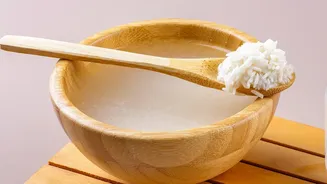
Known by various names like Pazhaya Soru and Neeragaram, Pazhanthanji is fundamentally simple: leftover cooked rice soaked in water and left to ferment overnight, traditionally in an earthen pot. This was never a fancy dish; for generations, it was a staple
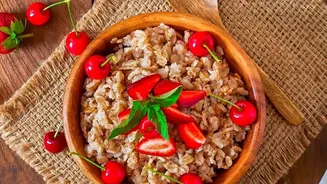
breakfast for farmers and laborers, particularly in states like Kerala and Tamil Nadu. It provided sustained energy and a cooling effect, which was essential for a long day of physical work under the hot sun. The next morning, the slightly tangy, transformed rice is typically consumed cold, often mashed and mixed with salt, finely chopped shallots, green chillies, and sometimes curd or buttermilk.
The Probiotic Powerhouse
The modern appeal of Pazhanthanji lies in the magic of fermentation. That overnight soak cultivates beneficial microorganisms, particularly lactic acid bacteria like Lactobacillus. This makes the porridge a natural, food-based probiotic, a powerful alternative to expensive supplements and store-bought kombuchas. In an era where gut health is linked to everything from immunity and digestion to mood, a food teeming with good bacteria is a significant find. These probiotics can help balance the gut microbiome, which may improve digestion and ease common issues like bloating and constipation.
More Than Just Gut Health
While the probiotic content is the main draw, the benefits don't end there. The fermentation process makes the nutrients within the rice more bioavailable, meaning your body can absorb them more easily. The process breaks down substances like phytic acid, an anti-nutrient that can block the absorption of minerals. This enhances the availability of iron, potassium, calcium, and magnesium. Furthermore, Pazhanthanji is a rich source of B vitamins, including the often hard-to-get vitamin B12, which is vital for energy production. Its high water content also makes it exceptionally hydrating, which explains its long-standing reputation as a body coolant in hot climates.
A Modern Wellness Revival
So why is this once-forgotten 'poor man's food' suddenly trending? The revival is part of a larger movement towards rediscovering traditional food wisdom. As modern science validates the health benefits our ancestors understood intuitively, there's a growing appreciation for sustainable, inexpensive, and natural wellness solutions. While global fermented foods like kimchi and kefir have become popular, many in India are now looking inward to their own rich culinary heritage. Pazhanthanji fits perfectly into this trend, offering a simple, effective, and culturally rooted way to support overall health, starting with the gut.
How to Make Pazhanthanji at Home
Making your own Pazhanthanji is incredibly simple. Start with leftover cooked rice, preferably red or unpolished varieties. Place the rice in a clay or glass pot and add enough water to cover it completely. Cover the pot and let it sit at room temperature overnight, or for about 12 hours. By morning, the water will be cloudy and the rice will have a slightly sour, tangy aroma, indicating that fermentation has occurred. To serve, mash the rice lightly with your hands. Add salt to taste, along with finely chopped shallots, green chillies, and a few spoonfuls of curd for extra flavour and creaminess. You can enjoy it with a side of pickle or a simple vegetable dish for a complete, nutritious meal.