

A New Chapter for Old Buildings
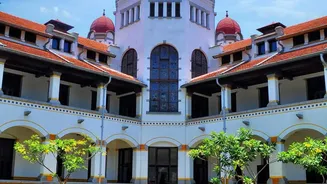
Across Sri Lanka, a beautiful trend is taking hold. Stately colonial-era mansions, old tea planters' bungalows, and traditional family homes (walawwas) are being thoughtfully converted into vibrant hostels. Unlike modern, purpose-built structures, these
heritage hostels retain their original character—think high ceilings, polished wooden floors, and sprawling verandahs—while being fitted with modern amenities. This approach gives travellers a unique opportunity to live within a piece of Sri Lankan history, offering a sense of place and story that a standard hotel room often lacks. The transformation of these historic properties into social hubs for travellers marks a significant shift in the country's accommodation landscape, which once had limited options for budget backpackers.
The Perfect Match for Indian Solo Travellers
For a solo backpacker from India, these hostels solve several challenges at once. Firstly, they are incredibly affordable, with dorm beds often available for a fraction of the price of a hotel room, making long trips more feasible. Secondly, they provide an instant community. The loneliness that can sometimes accompany solo travel quickly disappears in the communal kitchens, cosy common areas, and organised group activities like cooking classes or local tours. This social atmosphere is invaluable for meeting fellow travellers from around the world. For many Indian travellers, particularly women, safety is a key concern. Sri Lanka is widely regarded as a relatively safe destination for solo female travellers, and the secure, well-reviewed environment of a hostel adds an extra layer of comfort.
A Journey Through Lanka's Hostel Trail
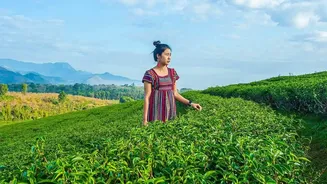
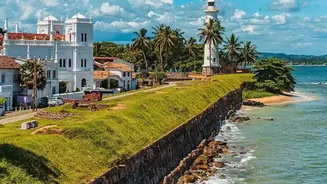
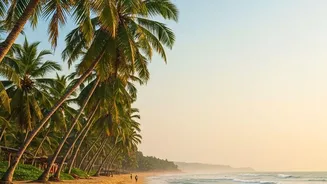
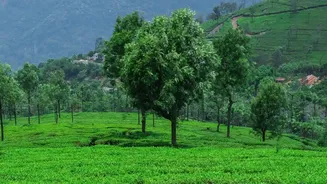
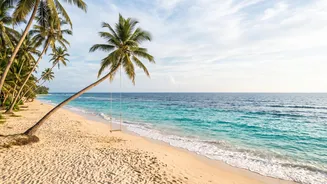
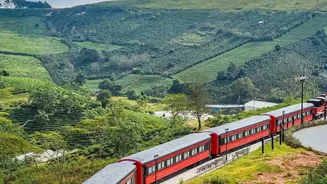
The heritage hostel experience can be found all across the island's main backpacker trail. In bustling Colombo, you might find a chic hostel in a converted city mansion, providing a tranquil escape from the urban energy. Head to the hill country, and you could be staying in a former British tea planter's bungalow near Kandy or Ella, surrounded by lush plantations and misty mountains. These spots are famous for their scenic hikes and laid-back backpacker vibe. Down on the southern coast, in historic towns like Galle or beach destinations like Mirissa, Dutch-era buildings and old villas have been transformed into surf-and-yoga-focused hostels, perfect for those looking to relax by the sea and socialise.
More Than Just a Bed
The appeal of these hostels goes far beyond their architecture and affordability. They are curated social experiences. Many are run by passionate owners who act as local guides, offering insider tips on everything from the best street food to hidden viewpoints. The vibe is communal and friendly, with many hostels organising family-style dinners, movie nights, and group excursions to nearby attractions like Sigiriya Rock or local national parks. This creates an environment where friendships are easily formed over a shared meal or a morning yoga session. It’s this focus on community and authentic connection that transforms a simple backpacking trip into a memorable cultural immersion.
Making the Trip Happen: Practical Tips
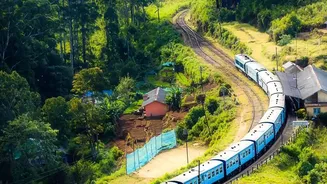
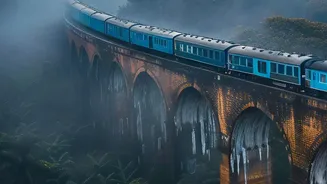
Planning a solo trip to Sri Lanka is straightforward. Flights from major Indian cities are short and frequent. Once there, getting around is affordable using the extensive network of local buses and scenic trains. Hostel dorm beds can range from just a few hundred to over a thousand rupees per night, depending on the location and season. Booking in advance through platforms like Hostelworld is recommended, especially during peak tourist season. For solo female travellers, standard precautions apply: avoid walking alone late at night, dress modestly when visiting religious sites, and trust your instincts. By staying in well-reviewed hostels, you connect with a community that inherently looks out for each other.