



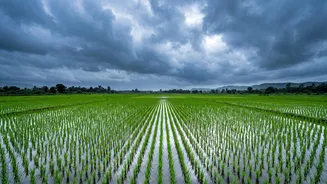
The Story of the 2026 Monsoon So Far
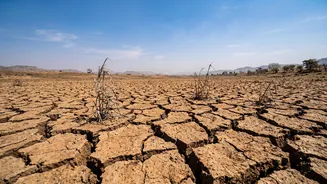
The 2026 monsoon season has been a story of deficit and anxiety, largely influenced by developing El Niño conditions. After a weak start, rainfall saw some recovery but has largely remained below normal. As of late August 2026, the country faced a significant
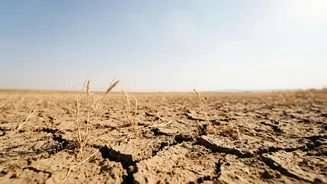
rainfall deficit of around 14-16%. This shortfall has been uneven, with some regions experiencing near-normal rain while others, particularly in the southern and eastern parts of the country, have faced severe deficits. While sowing for Kharif (summer) crops has managed to catch up, the overall health of these crops and the outlook for the next season now depend heavily on the performance of September's rains.
Setting the Stage for Winter Crops
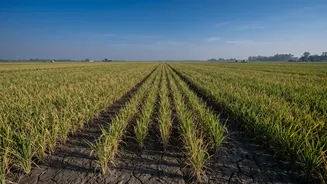
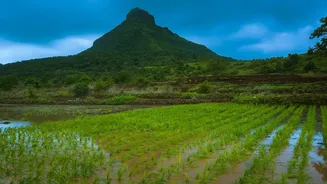
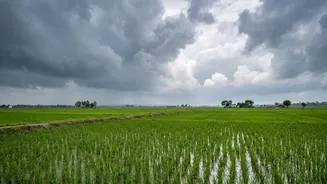
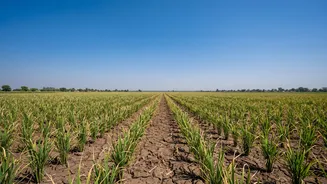
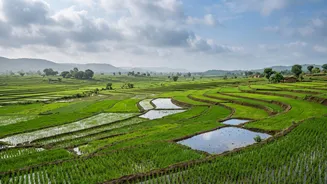
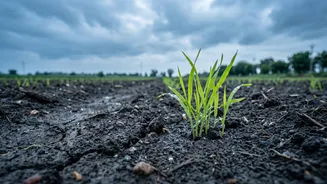
September rainfall is the crucial bridge between India's two main agricultural seasons: the Kharif (summer) and the Rabi (winter). While the Kharif crops like rice and soybean are maturing, the moisture from late monsoon showers is essential for preparing the soil for Rabi crops. Key winter crops such as wheat, mustard, gram, and barley are sown from October onwards. The success of this sowing depends almost entirely on the amount of residual moisture left in the soil after the monsoon withdraws. Good September rains ensure that the soil is sufficiently damp, allowing for timely planting and healthy germination. Without it, farmers in rain-fed areas, which still constitute a large part of India's agricultural land, may be forced to delay sowing or switch to less water-intensive crops, impacting yields and their income.
Topping Up the Nation's Water Supply
Beyond the fields, September's rainfall plays a vital role in replenishing India's water reservoirs. These dams and water bodies are the lifeline for drinking water supply, industrial use, and hydroelectric power generation throughout the long dry season that follows the monsoon. The final month of rain is the last chance to top up these reservoirs to their optimal capacity. As of August 2026, reservoir levels were providing some cushion but remained below the previous year's figures, making the final phase of the monsoon even more critical. A shortfall in September can mean water rationing in cities and reduced power generation in the months ahead, affecting millions beyond the farming community.
The Economic Ripple Effect
The performance of the September monsoon has a direct and significant impact on India's economy, particularly on food inflation. A poor showing can hurt the yields of standing Kharif crops and jeopardise the Rabi sowing, leading to lower agricultural output. This supply-side pressure can drive up food prices, affecting household budgets across the country. Economists watch the September figures closely, as a weak end to the monsoon could push inflation higher. A healthy spell of rain, on the other hand, can ensure a bumper Rabi harvest, keeping food prices stable and supporting rural demand, which is a key driver of overall economic growth.
What the Forecasts Suggest
Forecasts for September 2026 have been cautious. Both the India Meteorological Department (IMD) and private agencies like Skymet had anticipated a below-normal monsoon season due to the strengthening El Niño. Skymet's projections specifically indicated a potential rain deficit of around 20% for September. However, short-term forecasts from the IMD at the end of August showed active monsoon conditions in some parts of eastern, central, and northern India due to low-pressure systems, offering a glimmer of hope. This highlights the unpredictable nature of the monsoon's withdrawal phase, where a few strong spells can make a significant difference.