




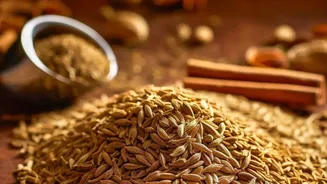

Cumin: The Warm, Earthy Foundation
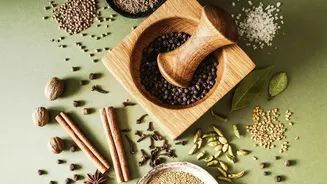
Cumin, known as 'jeera' in India, is one of the world's most popular spices for good reason. Derived from the dried seeds of the Cuminum cyminum plant, it delivers a uniquely warm, earthy, and slightly nutty flavour. On its own, it can have a pungent
and almost bitter edge, but when cooked, its aromatic oils are released, creating a rich and savoury foundation. This powerful earthiness is what allows cumin to ground other, more volatile flavours. It is a central component in countless spice blends, from garam masala to Tex-Mex chili powder, prized for its ability to add instant depth and complexity to stews, meats, and vegetable dishes.
Tamarind: The Tangy, Fruity Counterpoint
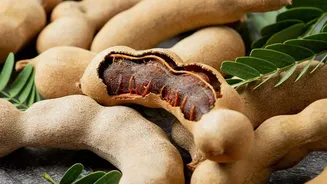
Tamarind is the undisputed king of tang in South Indian and Southeast Asian cooking. This pod-like fruit grows on trees and contains a sticky, dark pulp with a flavour that is intensely sour but also has a subtle, fruity sweetness, often compared to dates or prunes. Its primary contribution to a dish is tartness, which comes from its high concentration of tartaric acid. This acidity is crucial for cutting through richness and fat, brightening sauces, and providing a refreshing contrast to other spices. Available as a sticky block of pulp, a ready-made paste, or a concentrate, tamarind is the go-to ingredient for adding a sour dimension without the specific citrus notes of lemon or lime.
The Harmony of Sweet and Sour
In culinary terms, balance is everything. The classical Indian framework for flavour identifies six tastes, and a great dish often aims to balance several of them. The pairing of cumin and tamarind is a perfect example of this principle in action. Cumin provides a warm, earthy, and slightly bitter base, while tamarind brings a sharp, sweet-sour tang. Together, they create a flavour profile that is much more than the sum of its parts. The sourness of the tamarind lifts the deep, savoury notes of the cumin, preventing the dish from tasting heavy or one-dimensional. In return, cumin’s earthy character grounds the tamarind’s vibrant acidity, adding complexity and a lingering warmth. This interplay is why they are so often found together in chutneys, dals, sambar, and various curries.
Putting It All Into Practice
Incorporating this dynamic duo into your cooking is straightforward. For a deeper, more aromatic cumin flavour, always start by toasting the whole seeds in a dry pan for a minute or two until they release their fragrance, then grind them. This simple step transforms the spice. For tamarind, if you buy it in a block, soak a small piece in hot water for about 20 minutes, then mash the pulp with your fingers and strain the resulting liquid to get a flavourful extract. When making a curry or soup, add the cumin early with your other spices to build the flavour base. Introduce the tamarind extract or paste later in the cooking process, tasting as you go. Tamarind's intensity can vary, so it's always best to add a little at a time until you reach your desired level of sourness. This combination is particularly wonderful in lentil soups, vegetable stir-fries, and marinades for grilled items.