

The Invisible Threats in Puddles
That innocent-looking puddle on the street can be a cocktail of invisible threats. During the monsoon, rainwater runoff collects bacteria, parasites, and pollutants. One of the most serious risks in India is leptospirosis, a severe bacterial disease spread
through the urine of infected animals like rodents. Dogs can get infected by drinking from or simply walking through contaminated water, and it can lead to kidney or liver failure. Puddles can also harbour parasites like Giardia, which cause severe gastrointestinal distress. Beyond biological hazards, rainwater in urban areas often contains chemical pollutants from the streets, like oils and pesticides, which your pet can ingest when they lick their paws and fur clean.
The Problem with a Damp Coat
Towel-drying your pet might seem sufficient, but lingering dampness, especially in humid weather, is a major problem. A coat that remains even slightly wet creates a warm, moist environment right against your pet's skin—the perfect breeding ground for bacteria and yeast. This can quickly lead to painful skin infections known as pyoderma or hot spots, which are inflamed, raw patches of skin. Fungal and yeast infections are also common, causing intense itching, a foul odour, and discomfort. Pets with thick or double coats are at an even higher risk because their undercoat can trap moisture for hours. Thoroughly drying your pet, perhaps even with a hairdryer on a low, cool setting, is crucial.
Protecting Their Paws
Your dog's paws are their first point of contact with the wet, dirty ground, and they are uniquely vulnerable. The skin between their paw pads can trap moisture, leading to irritation and fungal infections like yeast dermatitis. Small cuts or abrasions on the pads, which may not be immediately obvious, can become infected by bacteria from dirty water. It's essential to not just wipe but to properly clean and dry their paws after every rainy walk. Pay special attention to the area between their toes, checking for any redness, swelling, or debris. Trimming the long fur around their paws can also help reduce the amount of mud and moisture they track in.
Bringing the Outdoors In
When your wet pet comes inside, they aren't just bringing in mud. They are also carrying bacteria, mould spores, and allergens on their fur and paws, which then get spread onto your floors, furniture, and carpets. This can affect the health of everyone in the home, especially children or family members with allergies. Pathogens from animal waste, which get washed across streets during rains, can be transferred into your living space. A simple cleaning routine at the door helps maintain a healthier environment for both your pet and your family.
Your Post-Walk Cleaning Routine
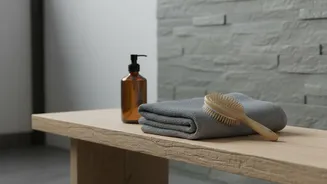
Creating a consistent cleaning habit is simple and effective. Set up a dedicated cleaning station by your door. Start by using a highly absorbent microfiber towel to dry your pet’s coat, paying extra attention to the belly, armpits, and ears. Next, address the paws. Wash them with lukewarm water or use pet-safe wipes, ensuring you clean between the pads. Dry each paw thoroughly. Give your pet a quick brush to remove any lingering debris and check for ticks, which are more prevalent in damp weather. This entire process takes just a few minutes but makes a significant difference in preventing health issues.