






The Great Time Crunch
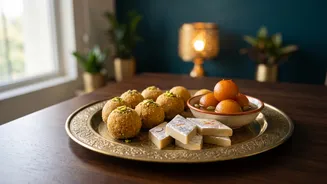
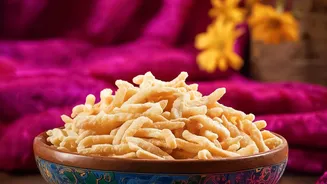
For generations, Diwali preparations were a multi-day affair, with families gathering to roll, fry, and shape an assortment of sweets and savouries known as 'faral'. This ritual was as much about bonding as it was about food. However, in today's fast-paced
urban centres, this tradition is facing a significant challenge: time. With the rise of dual-income households, nuclear families, and demanding work schedules, the hours required for elaborate festive cooking have become a luxury many can't afford. The process of making sweets from scratch is a labour of love, but modern life often leaves little room for such intensive labour, pushing city dwellers to seek more convenient alternatives.
Convenience at the Click of a Button
Enter the digital marketplace. E-commerce and, more significantly, quick-commerce platforms have revolutionised festive shopping. Apps like Blinkit, Zepto, and Swiggy Instamart have become indispensable tools for urban households, offering everything from diyas and puja items to an extensive menu of Diwali sweets and snacks. The growth is explosive; quick-commerce platforms saw a massive surge in order volumes during last year's festive season, a trend expected to continue. This shift is driven by convenience, allowing for last-minute purchases and freeing up precious time that would otherwise be spent in crowded markets or the kitchen. For many, online browsing has replaced the traditional bazaar experience.
Redefining Homemade and Traditional
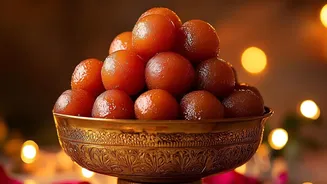
The move toward convenience doesn't mean a complete abandonment of tradition. Instead, it's being redefined. The market has responded with a dazzling array of options that bridge the gap between homemade and store-bought. Gourmet and artisanal mithai brands now offer modern twists on classic sweets, like hazelnut besan laddus or rose and chocolate kaju katlis. These premium offerings appeal to consumers who seek quality and are willing to pay for it, blending traditional flavours with sophisticated, modern presentation. Another growing trend is the popularity of curated Diwali hampers, which combine sweets, savouries, and other festive items into elegant, gift-ready packages. For those who still crave a personal touch, DIY kits for sweets provide a happy medium, simplifying the cooking process without sacrificing the joy of creating something at home.
The New Face of Festive Gifting
The nature of Diwali gifting is also evolving. While boxes of mithai remain a staple, the options have expanded dramatically. Chocolates, once seen as a Western alternative, are now firmly part of the festive landscape, with brands offering everything from chocolate-coated popcorn to gourmet bonbons in Diwali-themed packaging. This reflects a broader trend of 'conscious indulgence', where consumers are increasingly interested in quality ingredients, artisanal craftsmanship, and unique flavour combinations. Furthermore, beyond just sweets, entire ready-to-eat meals are gaining traction, providing a hassle-free solution for festive feasts, a market that has seen significant growth in recent years.
What Endures in Modern Celebrations
Despite the undeniable digital shift, the core spirit of Diwali's culinary traditions remains. The demand for traditional sweets and ingredients is still robust, even if the method of acquisition has changed. Quality remains a top consideration for shoppers, whether they are buying online or offline. While quick commerce handles the last-minute rush, many families still plan and make at least one or two special dishes from scratch, preserving a tangible link to their heritage. The modern urban Diwali is not about replacing old customs but rather about adapting them. It's a hybrid celebration where a home-cooked meal might be followed by a gourmet dessert ordered online, proving that tradition and convenience can, and do, coexist.