
More Than Just Achaar
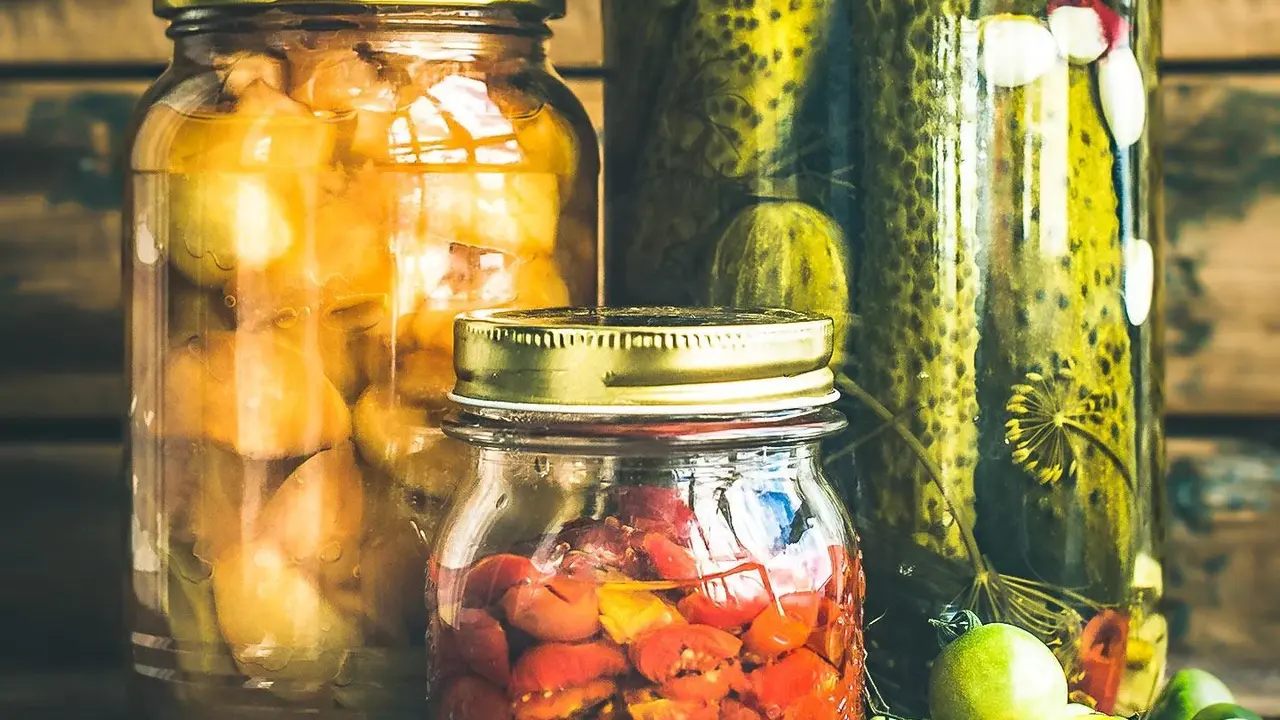
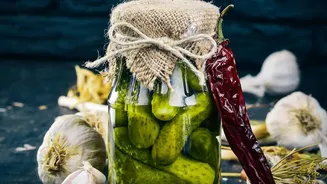
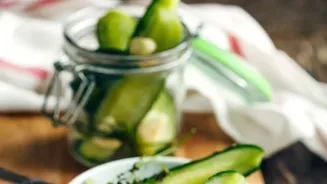
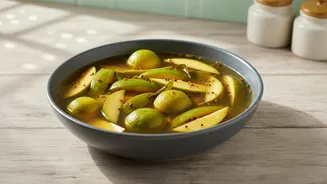
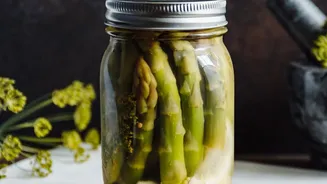
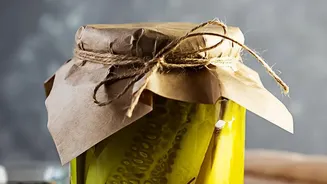
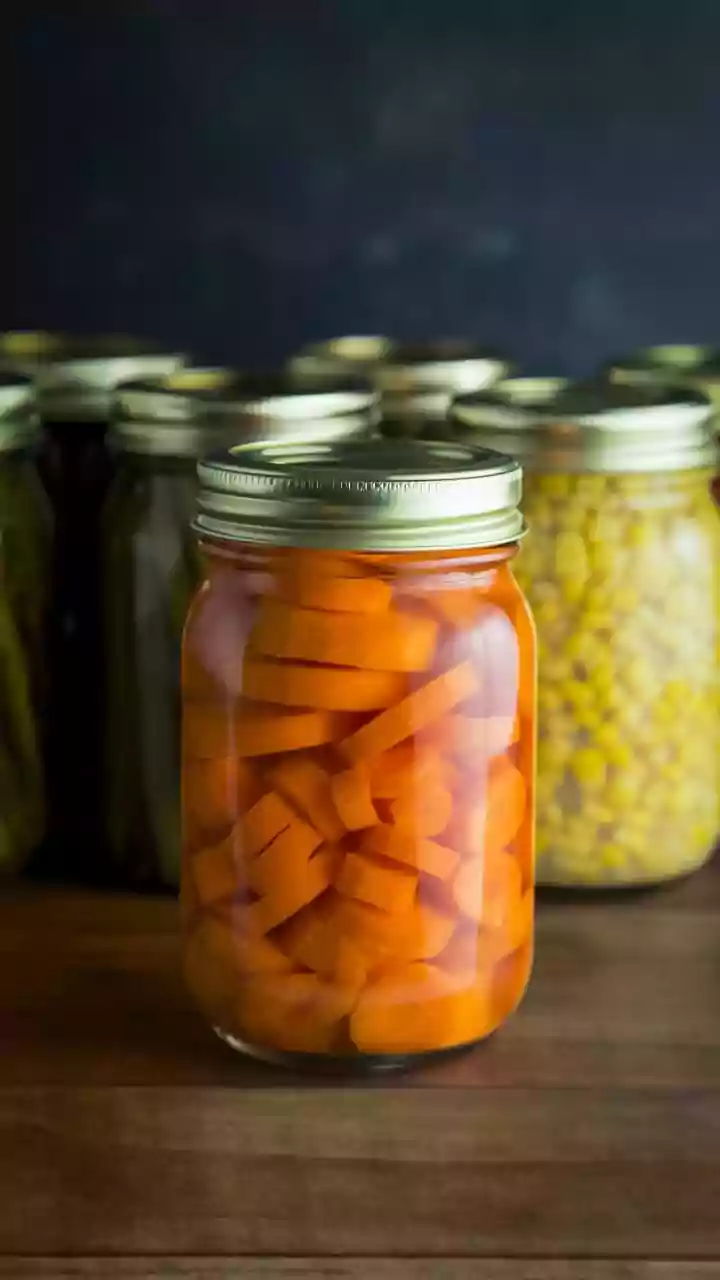
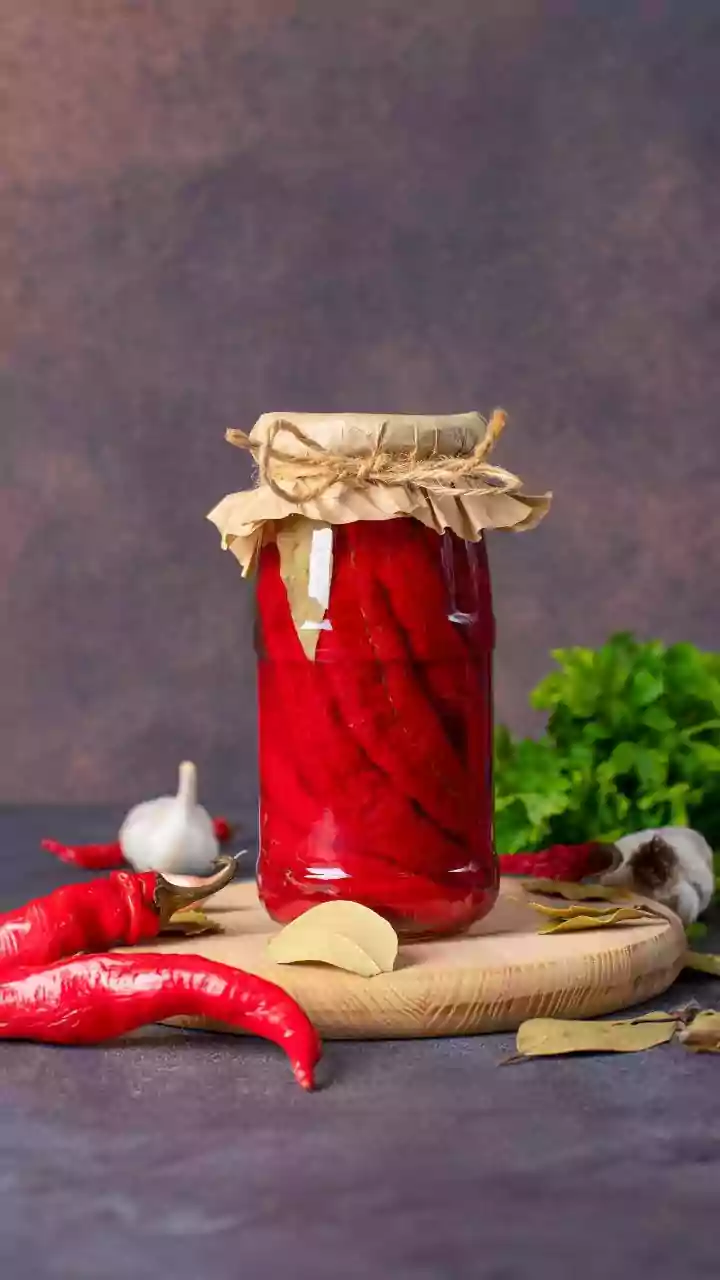
When we talk about oil-free pickles, we are revisiting an ancient method of preservation: lacto-fermentation. Unlike their more common oil-based counterparts that use oil and a heavy hand of spices for preservation, these pickles rely on a simple brine
of salt and water. Vegetables are submerged in this solution, and over days, naturally present beneficial bacteria called Lactobacillus convert sugars into lactic acid. This process not only preserves the vegetables but also creates a distinctively tangy, complex flavour profile and a crisp texture. This method is not new; it's a revival of techniques that have existed for centuries across different parts of India, from the nimbu ka achaar that relies on lemon juice and sun-fermentation to the water-based kanji made with carrots and beets.
The Probiotic Powerhouse
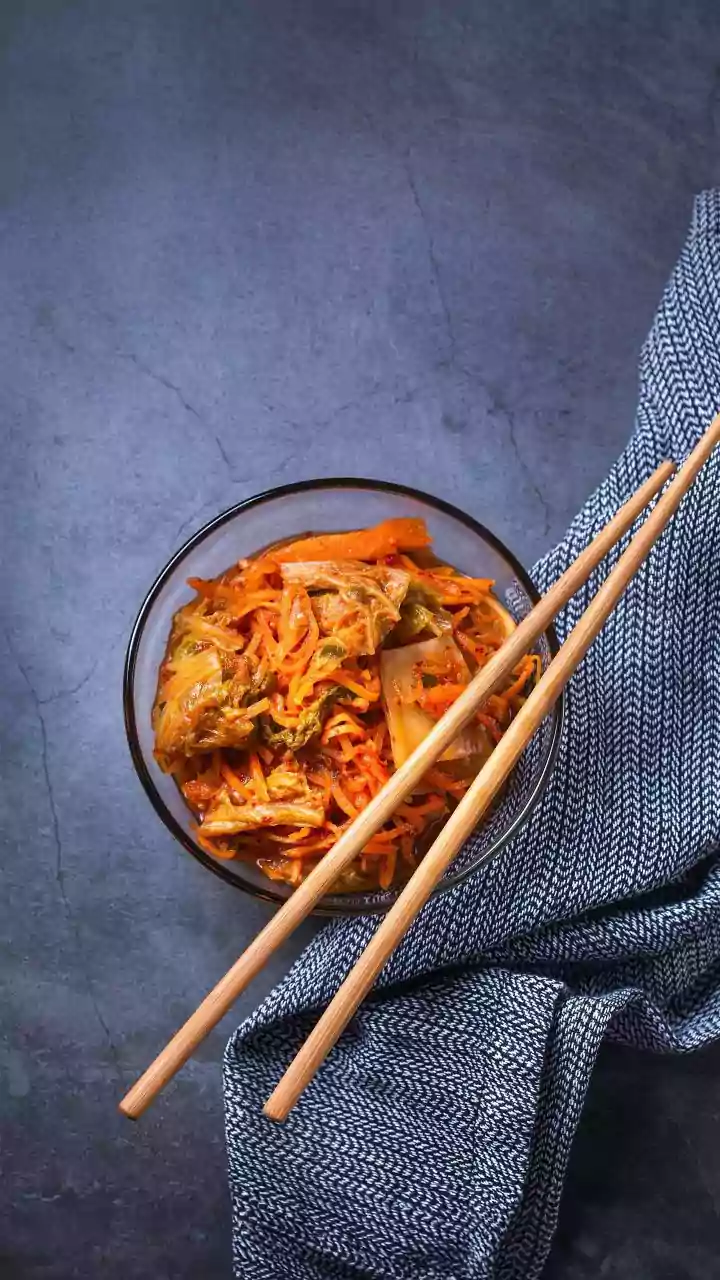
A major catalyst for this trend is the growing global and local interest in gut health. These fermented pickles are natural probiotics, meaning they are rich in live microorganisms that support a healthy digestive system. A balanced gut microbiome is linked to improved digestion, enhanced nutrient absorption, and a stronger immune system. While dahi and idli batter have long been recognised as probiotic staples in the Indian diet, these water-based pickles offer another delicious way to incorporate beneficial bacteria. The fermentation process essentially pre-digests the vegetables, making their nutrients more readily available to the body while reducing issues like bloating.
A Return to Ancestral Wisdom
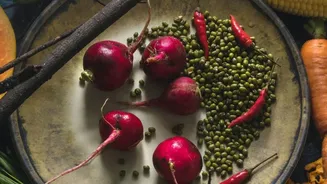
This movement is about more than just health; it's a cultural reconnection. For generations, Indian households made pickles based on seasonal availability and regional traditions, many of which were oil-free. For instance, Kanji, a popular North Indian fermented drink made from black carrots, beetroot, and mustard seeds, is a classic example of this practice. Similarly, many traditional lemon and green chili pickles are made without any oil, preserved simply with salt, spices, and their own acidic juices, often with the help of the sun. As consumers become more conscious of what they eat, they are looking past mass-produced options and seeking out foods that reflect a simpler, more sustainable way of eating that was championed by their grandparents.
Why Now? The Modern Appeal
Several factors are converging to create this boom. The post-pandemic era has amplified health consciousness, with a specific focus on immunity and natural foods. Furthermore, social media platforms are filled with food bloggers and home chefs sharing family recipes and techniques for making these traditional pickles, demystifying the process for a new generation. This has also spurred the growth of small, artisanal brands that specialise in homemade-style, preservative-free, and oil-free pickles, making them accessible to consumers who may not have the time or space to make their own. These products appeal to a modern desire for clean labels and transparent ingredients, offering a taste of tradition without compromising on health.