




From Over-Tourism to Inner Calm
For years, the travel script was predictable: rush through crowded European capitals, jostle for selfies at overrun monuments, and return home more exhausted than when you left. But a major shift is underway. Young Indian travellers, particularly Gen
Z and Millennials, are actively rejecting this model. The phenomenon of ‘overtourism’ has made many popular destinations lose their charm, prompting a search for authenticity over hype. Recent reports show a clear pivot away from viral hotspots. One survey found 88% of Indian travellers liked the idea of visiting a place that wasn't already all over their social media feeds. This isn't just about avoiding crowds; it's a conscious decision to seek meaningful experiences that prioritise relaxation and mental well-being.
What 'Breathing Space' Really Means
The desire for 'breathing space' goes beyond just physical room. It represents a deeper need for a mental reset from the pressures of urban life and digital burnout. A 2026 travel outlook report revealed that relaxation was the top travel motivation for 67% of Indian respondents. This has fueled the rise of 'slow travel'—the practice of staying longer in one place to connect with it more deeply. It’s about swapping a frantic, seven-city-in-ten-days itinerary for an extended stay in a single destination, whether it's a quiet homestay in the mountains or a serene coastal town. This approach is not only more relaxing but often more affordable, as longer stays can reduce daily costs. Ultimately, it's about trading non-stop notifications for the sounds of nature and finding peace in the present moment.
The New Definition of a 'Good View'
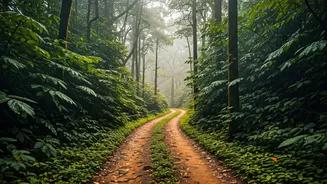
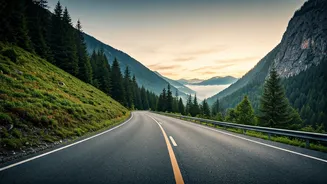
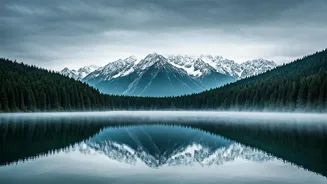
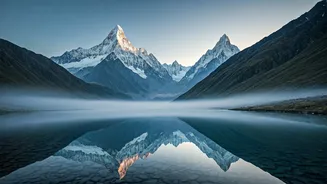
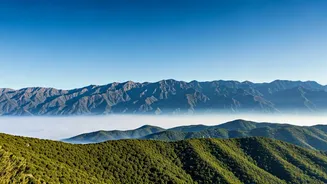
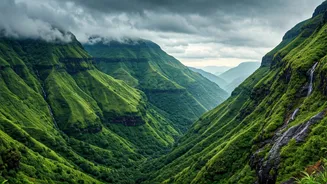
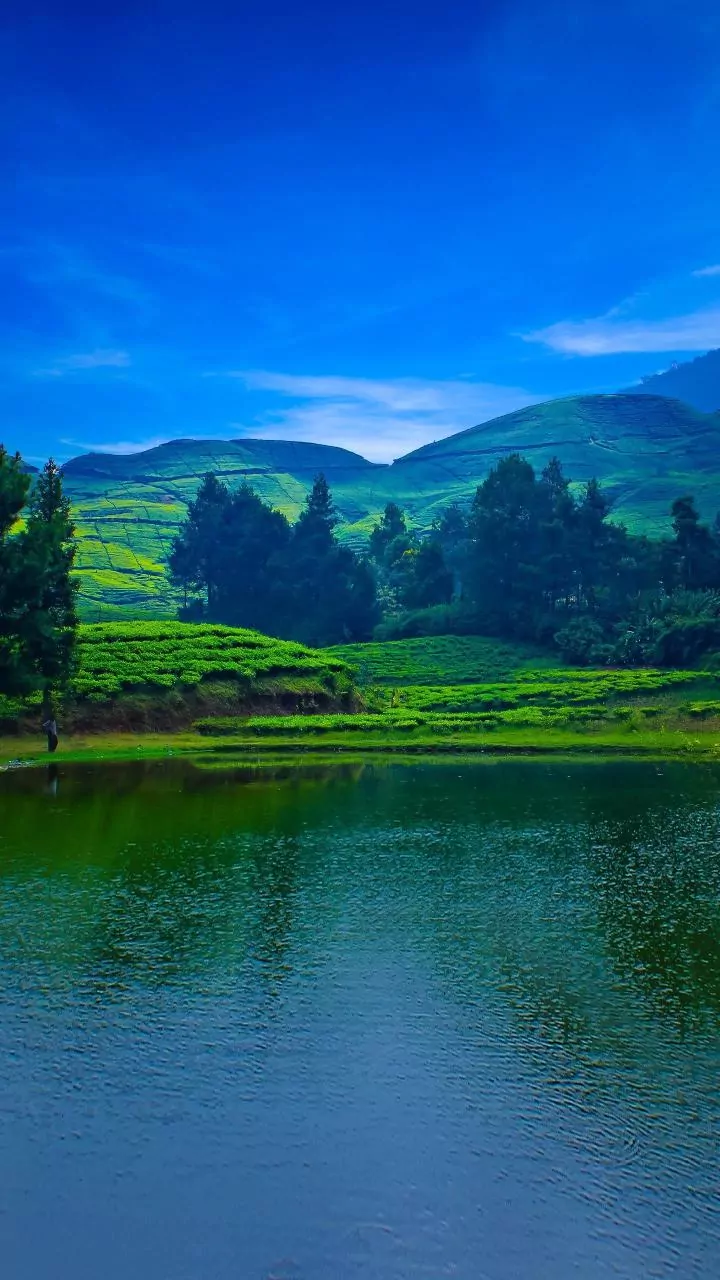
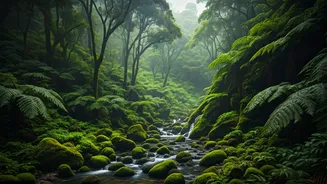
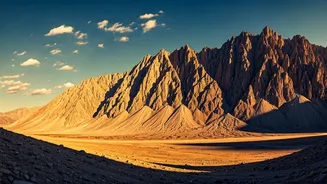
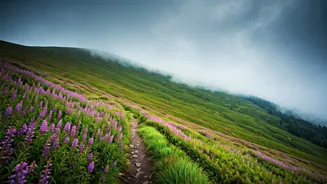
While a stunning view has always been a travel perk, its meaning has evolved. Today, it’s less about capturing the one iconic photo everyone else has and more about finding a unique, personal perspective. Young travellers are seeking out awe-inspiring landscapes that feel undiscovered and provide a sense of grounding. In a recent survey, a staggering 91% of Indian travellers stated they want to explore places with beautiful natural scenery. This desire is driving interest in destinations that offer not just pretty pictures, but a genuine connection to the environment. It could be waking up to a misty valley in the Himalayas, watching the sun set over the backwaters of Kerala, or stargazing in a remote desert. These are the views that offer more than just a social media post; they offer perspective.
Where to Find Your Quiet Corner
As the demand for tranquility grows, a new map of travel is being drawn in India. Instead of the usual suspects like Manali and Goa, travellers are flocking to their quieter cousins. Accommodation searches for places like Dharamshala and Rishikesh have seen dramatic year-on-year increases of 154% and 65% respectively, a trend dubbed 'hushpitality'. Other destinations rising in popularity include the Tirthan Valley in Himachal Pradesh for its pristine rivers, Gokarna in Karnataka as a soulful alternative to Goa's crowded beaches, and the misty hills of Meghalaya. These places offer what the modern traveller craves: nature, peace, and the chance to stay in homestays or eco-lodges that support local communities and offer a more authentic experience.
A Lasting Shift in Travel Values
This trend is more than just a fleeting preference; it signifies a fundamental change in how a generation views travel. It's no longer seen as a simple escape, but as an essential component of well-being. According to one report, 93% of Gen Z travellers believe travel improves their mental wellbeing. The industry is taking note, with a rise in wellness retreats, yoga-focused trips, and properties that emphasise sustainability and a connection to nature. This conscious, slower approach to travel is about returning from a trip not just with souvenirs, but with a renewed sense of calm and clarity. It's about investing in memories and experiences that enrich one's life, long after the bags are unpacked.