



Decoding the Dry Patch
That pale, icy, or leathery spot on your frozen food is known as freezer burn. It's not a sign of bacterial contamination or rot. Freezer burn is simply a form of dehydration. It happens when moisture escapes from the surface of the food and turns directly
into ice crystals, a process called sublimation. This occurs when food is exposed to the dry, cold air of the freezer, often due to improper packaging or being stored for a very long time. The result is a change in the food's appearance, with grayish-brown spots on meat or white patches on vegetables.
The Big Question: Is It Safe to Eat?
The most important thing to know is that freezer-burned food is completely safe to eat. According to food safety experts, as long as your freezer maintains a consistent temperature of 0°F (-18°C) or below, the growth of harmful microorganisms is prevented. Freezer burn is a quality issue, not a safety issue. It affects the texture and flavour, but it won't make you sick. This is the key difference from actual spoilage, which involves bacterial growth and can feature a slimy texture, off-putting odours, or colour changes that were present before the food was even frozen.
Taste and Texture: The Real Impact
While safe, freezer burn does impact the eating experience. Because it’s a process of dehydration, the affected areas will be drier and tougher than the rest of the food. Meats might become leathery, vegetables can turn shrivelled and have a woody texture when cooked, and ice cream loses its creaminess, becoming grainy with large ice crystals. The flavour can also be affected, sometimes tasting bland or stale. For this reason, it's often a good idea to trim off the most affected parts before cooking. If the food is heavily freezer-burned, you might decide to discard it for quality reasons, but a little bit can often be salvaged.
Your Guide to Prevention
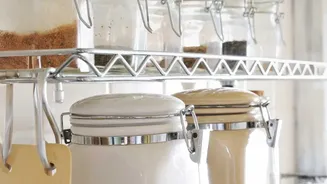
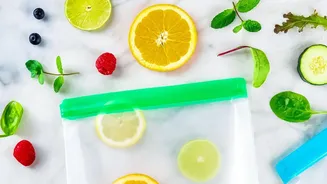
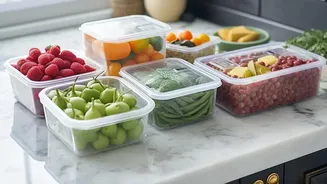
The best way to deal with freezer burn is to prevent it from happening in the first place. The enemy is air, so your goal is to create an airtight barrier. Use high-quality freezer bags and press out as much air as possible before sealing. For items like meat, a double layer of plastic wrap followed by foil or a freezer bag can be very effective. Using airtight containers and ensuring they are the right size to minimise empty space is also a great strategy. Also, make sure your freezer is set to 0°F (-18°C) or lower and try to avoid leaving the door open, as temperature fluctuations can accelerate freezer burn. Finally, label everything with the date and practice a 'first in, first out' system to ensure food isn't stored for too long.
Salvaging Freezer-Burnt Foods
If you do find a bit of freezer burn, don't despair. As mentioned, you can often just trim the affected areas from meats or vegetables. For foods that are only lightly affected, using them in dishes with plenty of moisture can help mask the textural changes. For example, slightly dry chicken or beef is perfect for slow-cooked curries, soups, or stews where it can rehydrate and absorb flavour. The key is to manage your expectations; it might not be ideal for a simple pan-fry, but it can be perfectly delicious in the right dish. This approach not only saves food but also reduces waste in your kitchen.