








Why 'Thanks for Everything' Falls Flat
Educators often receive dozens of cards filled with well-meaning but vague phrases like "Thanks for a great year!" or "You're the best teacher." While the sentiment is appreciated, these generic messages can feel impersonal. Teachers invest immense emotional
and intellectual energy into their students, and a thank-you note is a rare opportunity for them to see the specific impact of that work. One teacher noted they keep a folder of heartfelt letters to read on difficult days, a testament to the power of a well-crafted message. A generic note is a missed opportunity to provide that specific, validating feedback that can refuel an educator's passion.
The Anatomy of a Powerful Note
A truly impactful message goes beyond platitudes and gets specific. The most cherished notes include concrete details. Start by mentioning a specific memory from the year, a particular project that your child loved, or a lesson that resonated at home. For example, instead of saying "You make learning fun," try "The way you acted out Shakespeare made the plays so much easier for my son to understand and enjoy." This shows you're paying attention. The goal is to connect the teacher's actions to a positive outcome in your child.
What Teachers Genuinely Value
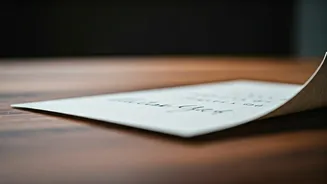
Across the board, educators say a sincere, handwritten note is one of the most meaningful gifts they can receive. They value seeing the growth in a child and knowing they played a part. A parent's note might highlight a change they've noticed: "Because of your patience, our daughter's confidence in math has blossomed," or "This was the year he truly began to care about learning, and you played the biggest role." Acknowledging a teacher's specific qualities, like their patience, creativity, or ability to make a child feel seen and safe, makes the appreciation feel personal and earned.
Simple Swaps for Stronger Sentiments
Upgrading your message tone is simple with a few strategic swaps. Instead of just saying, "Thank you," explain the 'why.' Here are a few examples: Instead of: "You're the best!" Try: "Your passion for history is contagious; our daughter now comes home talking about historical figures as if they're old friends." Instead of: "Thanks for all your help." Try: "The extra time you spent with him on his spelling has made all the difference—he's so much more confident now." Instead of: "Have a great summer." Try: "Thank you for creating a classroom that felt like a second home for our child. Your impact will last well beyond this school year."
It's About More Than the Gift
Many people pair their note with a gift, and while gift cards for coffee or school supplies are frequently cited as appreciated, the message remains paramount. Several teachers have stated that no teacher would be offended by a gift card, but the heartfelt cards are the items they keep for years, often pulling them out for encouragement. The note is what transforms a simple gift into a personal gesture of profound gratitude. It communicates that the teacher's hard work was not just performed, but seen and valued on a personal level.