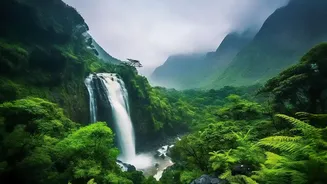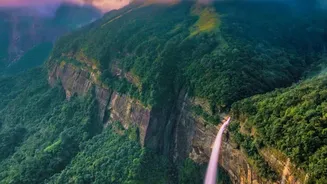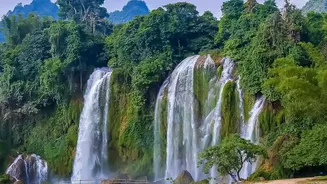




The Sahyadri's Emerald Transformation
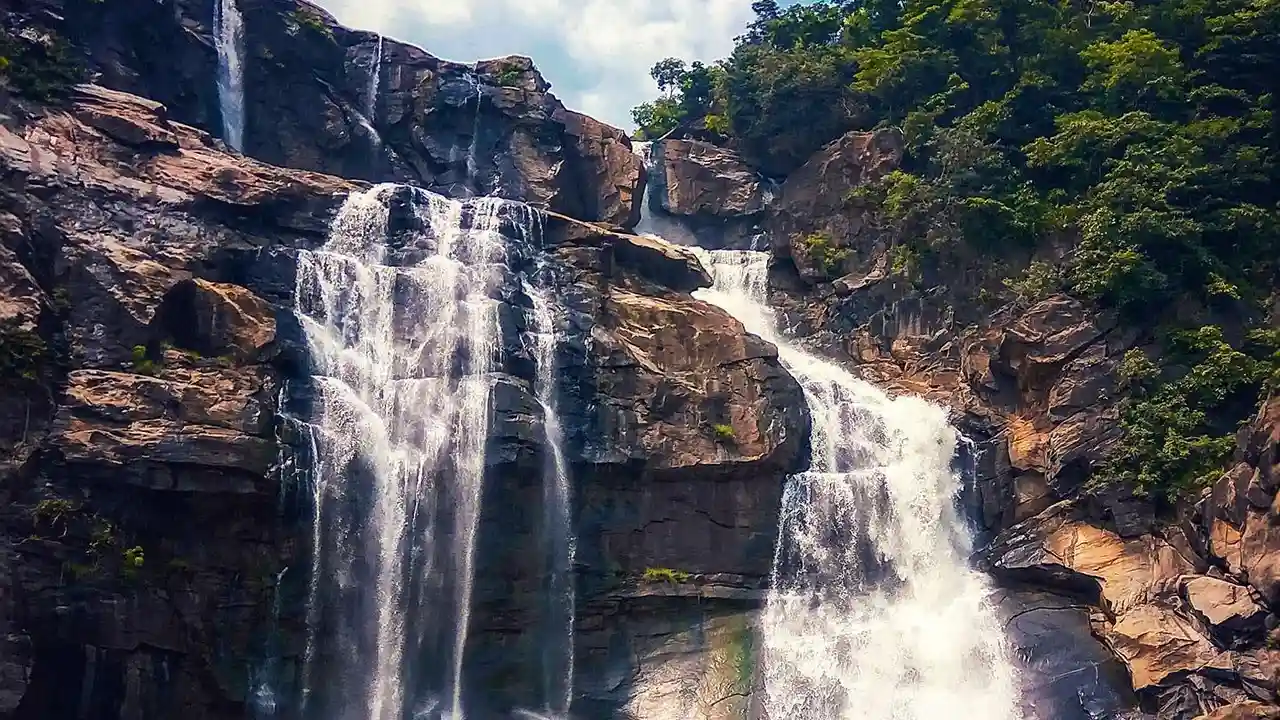
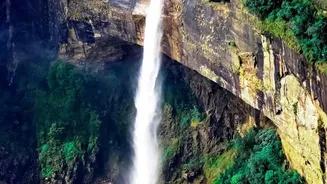
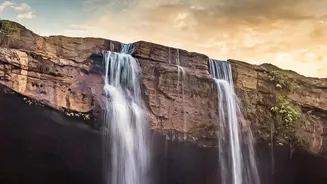
Every year, from June to October, the Western Ghats undergo a dramatic metamorphosis. The parched brown landscapes of summer give way to lush, emerald greenery fed by the southwest monsoon. This is when dozens of hidden waterfalls come to life, tumbling
down cliffs and carving paths through dense forests. For travellers from Mumbai, Pune, and beyond, this season presents a unique opportunity to swap urban chaos for the symphony of nature—the roar of falling water, the scent of wet earth, and the sight of mist-covered peaks. A monsoon trek is more than just a hike; it’s an immersion into the region’s most vibrant and dynamic season, offering a refreshing reset for the mind and body. The trails range from gentle walks suitable for families to challenging climbs that reward seasoned trekkers with unparalleled views.
Devkund Waterfall: The Hidden Plunge Pool
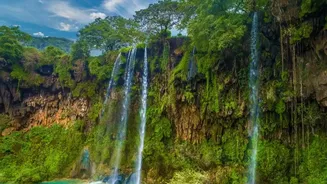
Often called the ‘Bathing Pond of Gods’, Devkund Waterfall is a secluded gem hidden deep inside a forest near Bhira village in the Tamhini Ghat region. The trek to the falls is an adventure in itself, taking you through dense jungle, across small streams, and along the backwaters of the Bhira Dam. The reward at the end of this moderate, three-hour hike is a stunning plunge waterfall cascading into a crystal-clear, bluish-green pool. Its ethereal beauty makes it one of the most popular trails for trekkers from both Pune and Mumbai. However, its popularity comes with a caution: authorities often restrict access during periods of heavy rainfall, particularly in July and August, due to rapidly rising water levels and strong currents. Always check the local status before planning your trip.
Visapur Fort: Climb a Waterfall Staircase
For a trek that uniquely blends history with natural wonder, look no further than Visapur Fort near Lonavala. While its twin, Lohagad Fort, draws large crowds, Visapur offers a more thrilling path, especially during the monsoon. The main attraction is the trail that leads you up a series of rock-cut steps with a waterfall cascading over them, creating a natural watery staircase. This moderate trek feels like you are climbing right through the waterfall. The journey takes you through lush greenery and misty clouds to the expansive plateau of the fort, where you can explore ancient ruins, water cisterns, and fortifications dating back to the Maratha Empire. The panoramic views of the surrounding Pawna region from the top are simply breathtaking, making the slippery climb well worth the effort.
Lingmala Waterfall: A Mahabaleshwar Marvel
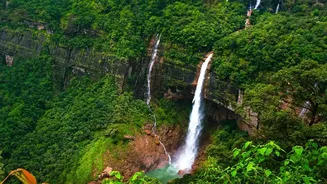
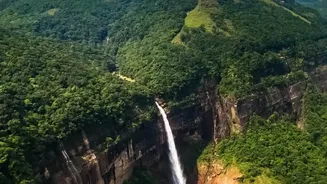
Located just a short drive from Mahabaleshwar, Lingmala Waterfall is one of the most majestic and accessible falls in the region. It is divided into two parts: a smaller, lower waterfall perfect for a quick splash, and the main, upper waterfall that plunges spectacularly from a height of around 500 feet. A well-maintained path leads visitors to designated viewing platforms that offer stunning, postcard-perfect views of the cascade and the verdant Venna Valley. The walk to the main viewpoint is relatively easy, involving a combination of trails and steps, making it suitable for families and casual tourists. During the peak monsoon months of July and August, the waterfall is at its most powerful, creating a mist that blankets the entire area.
Randha Falls: The Roaring Giant of Bhandardara
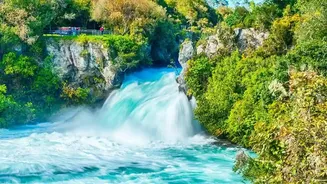
In the scenic Bhandardara region, the Pravara River creates the magnificent Randha Falls, which thunders down a 170-foot gorge. Unlike a typical trekking destination, Randha Falls is best experienced from dedicated viewpoints that provide a safe and spectacular panorama of its raw power. During the monsoon, the waterfall is voluminous and awe-inspiring, attracting nature lovers and photographers. The force of the water is so immense that it serves as a key source of hydropower for the area. The surrounding landscape is a classic Sahyadri monsoon spectacle, with lush greenery and smaller cascades dotting the area, making it a popular and rewarding road trip destination from Mumbai and Nashik.
Essential Safety for Monsoon Treks
While the monsoon enhances the beauty of the Sahyadris, it also increases risks. Trekking organizations like the Akhil Maharashtra Giryarohan Mahasangh (AMGM) advise caution. Trails become slippery, and heavy rain can cause streams and waterfalls to swell rapidly, leading to flash floods. Always check the weather forecast before you leave. Wear proper trekking shoes with a good grip, not regular sports shoes. Carry a waterproof jacket or poncho, a first-aid kit, and enough drinking water. It is strongly recommended to trek in a group and hire a local guide if you are unfamiliar with the terrain. Avoid taking selfies at dangerous spots like cliff edges or swimming in waterfall pools, which often have strong undercurrents. Inform your family or friends about your itinerary before you start.