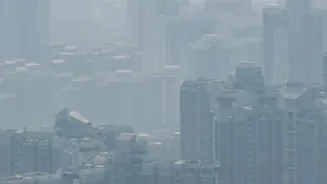





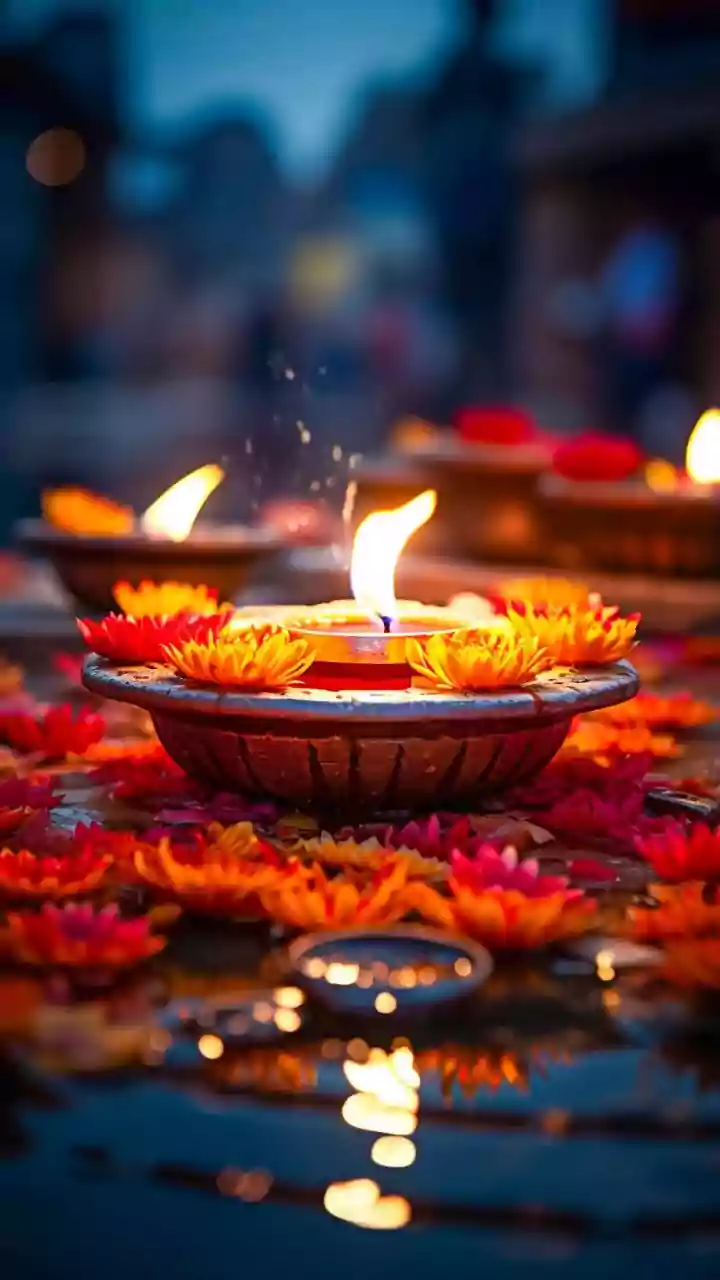
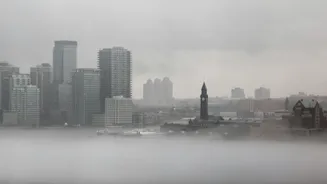


Diwali brings joy, light, and togetherness. But the festive air, thick with smoke, poses a hidden risk. As Air Quality Index (AQI) numbers climb, understanding what they mean is crucial for protecting the health of our most vulnerable family members.
Decoding the Air Quality Index
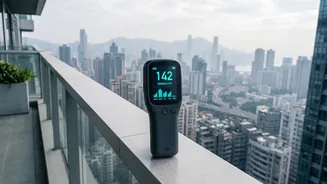
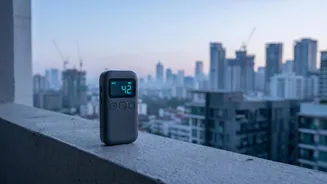
The Air Quality Index, or AQI, is a simple tool designed to tell us how polluted the air is. Launched in India by the Central Pollution Control Board (CPCB), it translates complex data about eight major pollutants—including the notorious PM2.5 and PM10 particles—into a single number, usually from 0 to 500. This number is paired with a colour code and a health advisory. The six categories range from 'Good' (0-50) to 'Severe' (401-500). When you see an AQI in the 'Poor' (201-300), 'Very Poor' (301-400), or 'Severe' ranges, it's a clear signal that the air contains a high concentration of pollutants that can harm your health.
Who Are the 'Sensitive Groups'?
Health authorities identify specific 'sensitive' or 'vulnerable' groups who are more susceptible to the harmful effects of air pollution. These groups include children, older adults (typically over 65), pregnant women, and individuals with pre-existing medical conditions. People with lung diseases like asthma or Chronic Obstructive Pulmonary Disease (COPD), as well as those with heart conditions, are at significantly higher risk. Children are especially vulnerable because their lungs are still developing, they breathe more air relative to their body weight, and their defence systems are not fully mature. For the elderly, ageing immune systems and the higher likelihood of chronic illness reduce their ability to cope with polluted air.
The Compounding Effect of Diwali
Diwali often coincides with the onset of winter in many parts of India, a time when meteorological conditions already tend to trap pollutants. Cooler temperatures and lower wind speeds create a phenomenon called temperature inversion, where a layer of warm air traps cooler, denser air—and the pollutants within it—close to the ground. The smoke from firecrackers releases a cocktail of harmful chemicals and vast quantities of fine particulate matter (PM2.5). These tiny particles, smaller than a fraction of a human hair, are the main driver of the AQI spike during the festival. This sudden, intense addition of pollutants to an already deteriorating air quality situation creates a public health challenge every year.
The Serious Health Risks Involved
For sensitive groups, exposure to high AQI levels is not just a matter of minor discomfort. It can trigger severe health episodes. Shortterm exposure can cause coughing, wheezing, shortness of breath, and irritation in the eyes, nose, and throat. For a person with asthma, it can lead to a severe attack. For those with heart disease, it can increase the risk of acute events like a heart attack. Studies show that longterm exposure to air pollution is linked to chronic respiratory illnesses, reduced lung function in children, heart disease, and even neurological issues. During pregnancy, exposure can increase risks of preterm birth and low birth weight.
How to Celebrate Safely
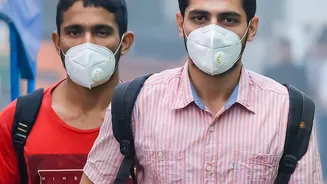
Protecting vulnerable loved ones doesn't mean forgoing celebrations. It simply requires a few practical adjustments. The most important step is to limit time spent outdoors, especially during peak firecracker activity in the evening and night. Keep doors and windows closed to prevent polluted air from entering the home. If going out is unavoidable, a wellfitted N95 mask can offer significant protection. Using an air purifier indoors, particularly in the rooms where sensitive individuals sleep, can dramatically improve indoor air quality. Stay informed by checking the realtime AQI in your area through official apps and websites. When the numbers are high, it’s wisest to enjoy the festive spirit from the safety of the indoors.