




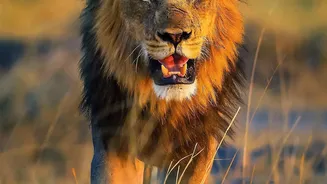
A New Chapter for the Asiatic Lion
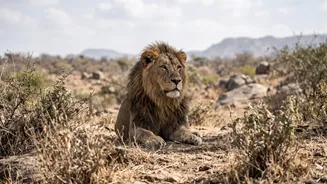
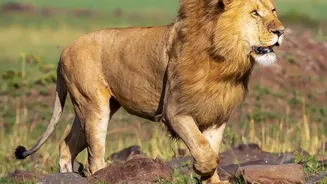
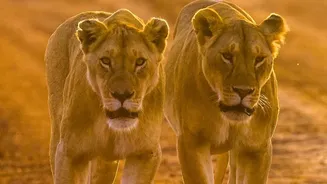
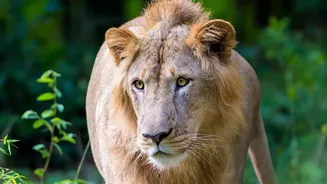
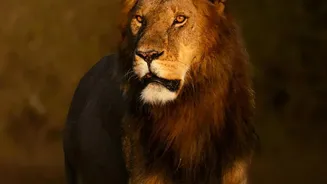
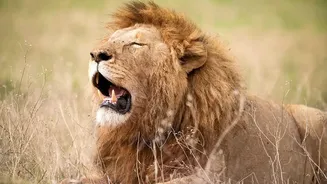
In a significant development for wildlife conservation in India, a small population of Asiatic lions is now establishing itself in the Barda Wildlife Sanctuary. The initial return was marked by the natural dispersal of a male lion into the area in January
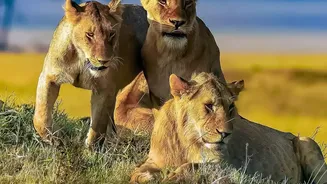
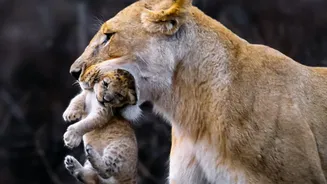
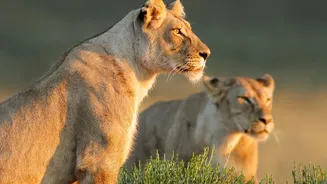
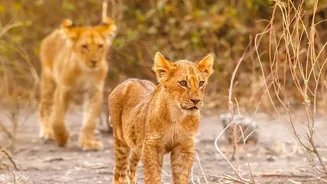
2023. This was followed by the strategic introduction of five females by the Gujarat Forest Department to create a viable founding population. As of October 2026, the sanctuary is home to 17 lions, including cubs born in their new environment. To understand how these pioneers are faring, one male and five females have been fitted with radio collars, turning them into living data points for a project that holds the future of their species in its balance.
Why Barda is a Beacon of Hope
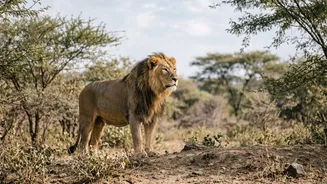
For decades, the entire wild population of the world's Asiatic lions has been confined to Gujarat's Gir National Park and the surrounding landscape. While a resounding conservation success, this concentration also poses a significant risk. A single disease outbreak, like the canine distemper virus that has affected lions in the past, or a natural disaster could have devastating consequences for the species. Experts have long advocated for establishing a second, geographically separate population to mitigate this threat. Barda Wildlife Sanctuary, located about 100 km from Gir, was identified as a promising second home under 'Project Lion'. The sanctuary's rugged terrain, with its mix of forests and grasslands, offers a suitable habitat for the lions to thrive.
The Clues Revealed by the Collars
The radio collars are providing a wealth of information. A study published in the journal 'PLOS One' analyzed over 169,000 GPS locations recorded between January 2023 and July 2025. The data reveals that the lions are not just surviving but actively establishing territories. The average home range was found to be approximately 70 square kilometres. Researchers observed them using the sanctuary's mixed forests and grasslands, indicating they are successfully adapting to the terrain. The data also sheds light on their social dynamics, showing how they partition space to form an emerging social structure. These clues confirm that the lions are behaving as they should, a crucial sign that Barda can function as a genuine stronghold.
Building a Sustainable Ecosystem
A thriving lion population needs a robust prey base. Analysis of the lions' diet showed a heavy reliance on wild pigs, which made up 55% of their food, with domestic cattle accounting for about 17%. To ensure a sustainable food source and reduce potential human-wildlife conflict, authorities have been actively augmenting the prey population in Barda. Since 2007, hundreds of spotted deer (chital) and sambar have been released through captive breeding programs. In 2025-26 alone, 441 chitals were translocated from Gir to Barda. These efforts are vital to ensuring the sanctuary can support a growing population of predators and maintain ecological balance.
The Long-Term Vision for Project Lion
The successful reintroduction of lions in Barda is a cornerstone of the national 'Project Lion' initiative, launched in 2020. This project aims to secure the long-term future of the species through habitat improvement, scientific monitoring, and community participation. While the progress in Barda is promising, it is considered the first step. The ultimate goal is to create a resilient, genetically diverse population spread across at least two habitats. This not only safeguards the lions from localized threats but also restores a historic part of their range. The monitoring of the six radio-collared lions is providing the foundational data needed to manage this expansion and ensure the roar of the Asiatic lion continues to echo through Gujarat's forests for generations to come.