


The Group Energy of Dance
Dance, in many of its forms, is an inherently social activity. From the structured elegance of ballroom to the vibrant energy of a Zumba class, the focus is often on interaction and shared experience. Group dance classes create a powerful sense of community
through synchronised movement and rhythm. This environment encourages social bonding, laughter, and mutual encouragement, making it an excellent outlet for those seeking to build new friendships and reduce feelings of isolation. The connection is external and expressive; you move with partners, respond to the group's energy, and share in the collective joy of mastering new steps. This shared experience can boost confidence and create a strong sense of belonging that extends beyond the studio walls.
Yoga's Quiet Community
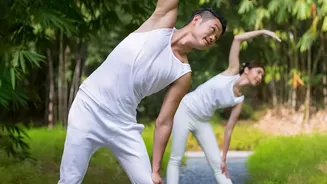
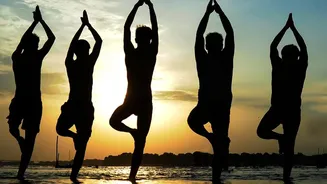
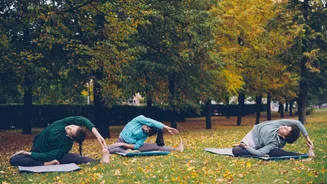
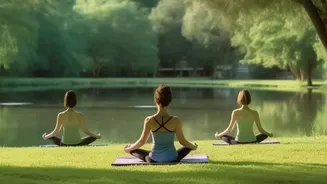
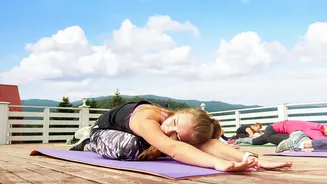
A yoga class offers a different kind of group connection—one that is quieter and more introspective. While you are in a room with others, sharing a collective energy, the primary focus remains on your own mat. The Sanskrit word 'kula' is often used to describe this type of community: a tribe that comes together with a shared intention of well-being. The connection here is born from a shared, silent journey. There's an unspoken support in breathing and moving alongside others, even without direct interaction. This environment fosters accountability and motivation, as the simple act of showing up is reinforced by the group's presence. The community in yoga is less about outward socialising and more about holding space for one another’s personal growth.
Solo Dance as Self-Expression
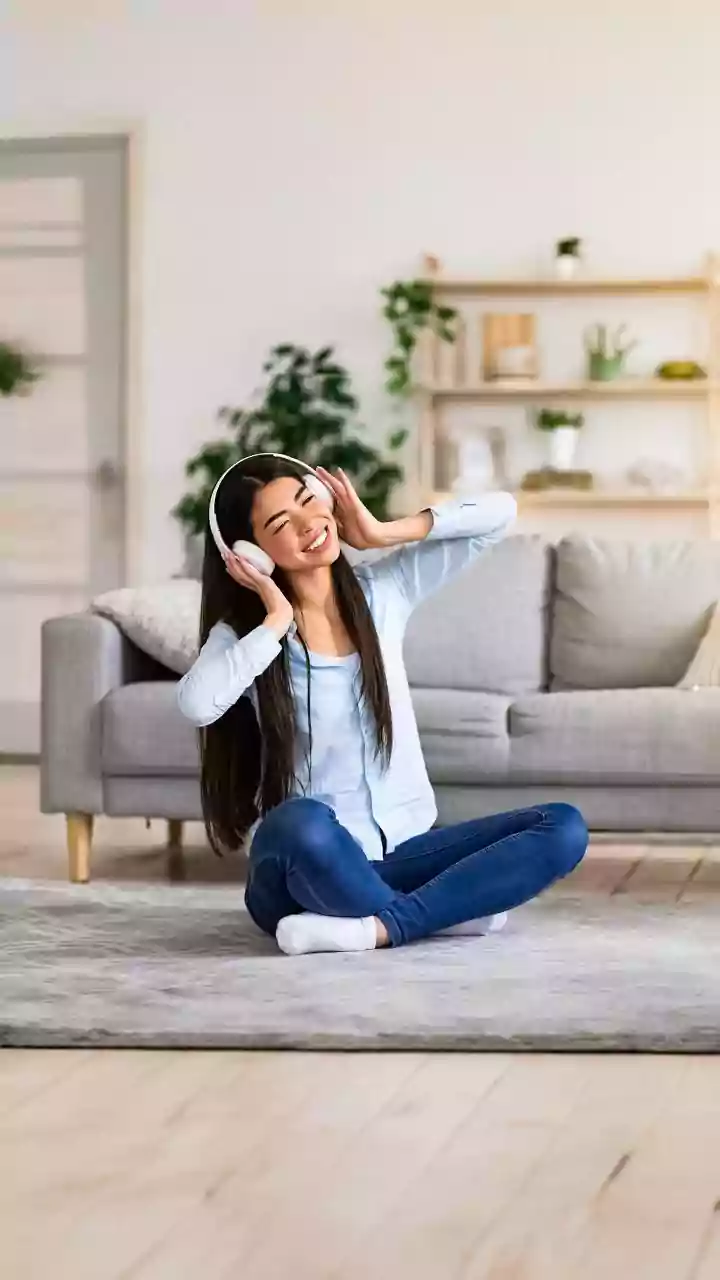
While many dance forms are communal, solo practice is a powerful avenue for personal expression and creativity. For many dancers, moving alone is a way to connect with their emotions and tell a story without words. It’s a chance to explore your body’s capabilities, experiment with new movements, and release stress on your own terms. Unlike the structured nature of a class, solo dance is about freedom and improvisation. It can be a form of emotional release, a private celebration, or a focused training session. This individual practice helps build confidence and a deeper relationship with one's own body, providing an escape where you can get lost in the music and the movement.
The Inward Journey of Solo Yoga
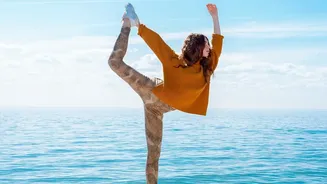
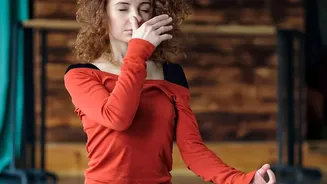
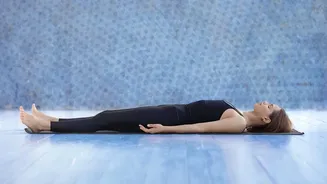
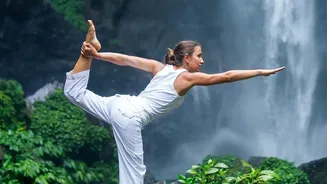
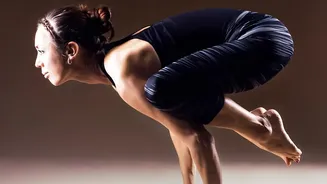
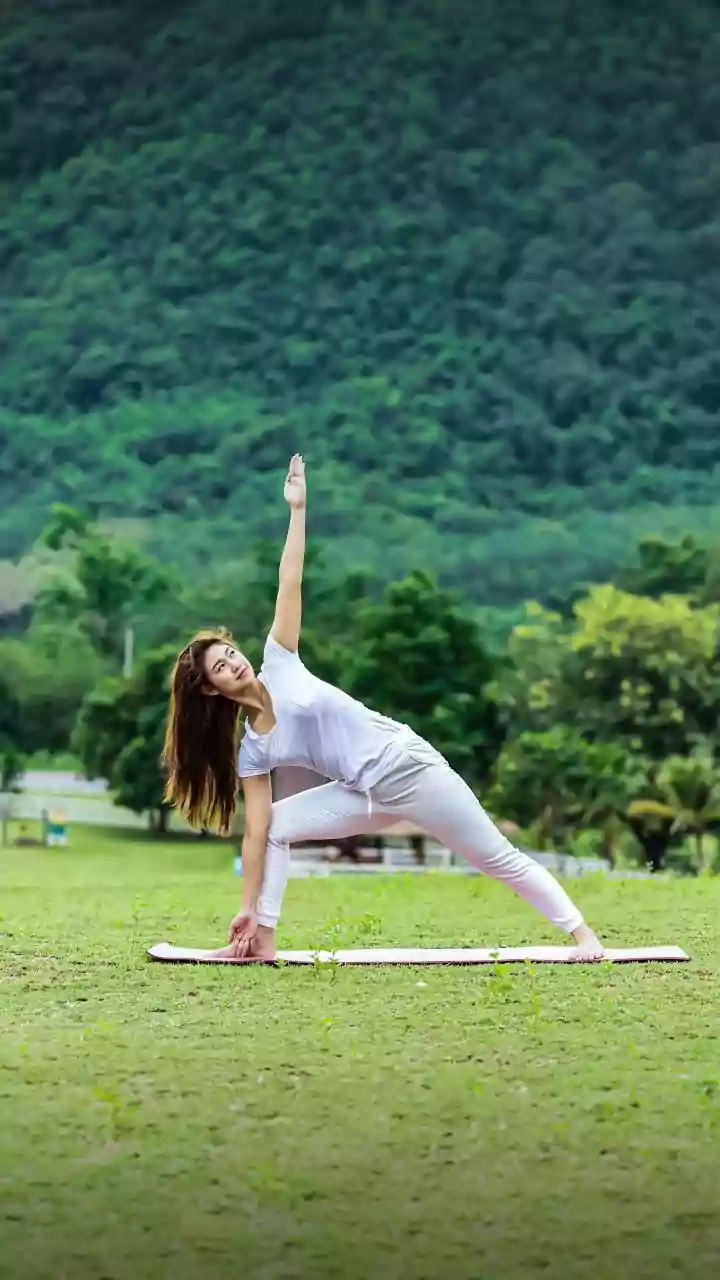
The solo practice of yoga, often called 'sadhana', is fundamentally a journey inward. The very word 'yoga' means 'union', signifying the connection between mind, body, and spirit. When practised alone, yoga becomes a moving meditation, a time for self-inquiry and introspection. The goal is not performance or aesthetics, but functional movement and a deeper awareness of your body's patterns and limits. This solitary practice is about unveiling layers of the self, cultivating inner peace, and building resilience. By focusing on breath and alignment without the external energy of a class, practitioners can foster a profound sense of self-acceptance and learn to listen more closely to their body's needs.
Which Path Is Right for You?
Choosing between yoga and dance depends entirely on your personal goals and what you seek from a practice. If you thrive on social energy, external expression, and building community through shared activity and laughter, dance may be a perfect fit. It offers a dynamic workout combined with a strong social component. If you are searching for a practice that fosters a quieter, more internal connection—both with yourself and within a supportive group—yoga might be the answer. It provides a framework for self-discovery and stress reduction, even when practised in a room full of people. Dance often moves energy outward, sharing it with an audience or partners, while yoga draws energy inward, cultivating a sense of inner harmony.