


The festive season brings joy, family, and an abundance of delicious food. But for urban working parents, the aftermath often presents a modern dilemma: what to do with all the leftovers in a compact city kitchen with a packed schedule?
The Modern Festive Dilemma
In India, festivals
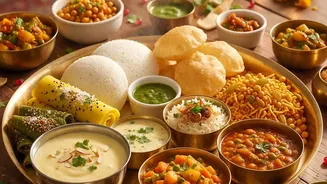
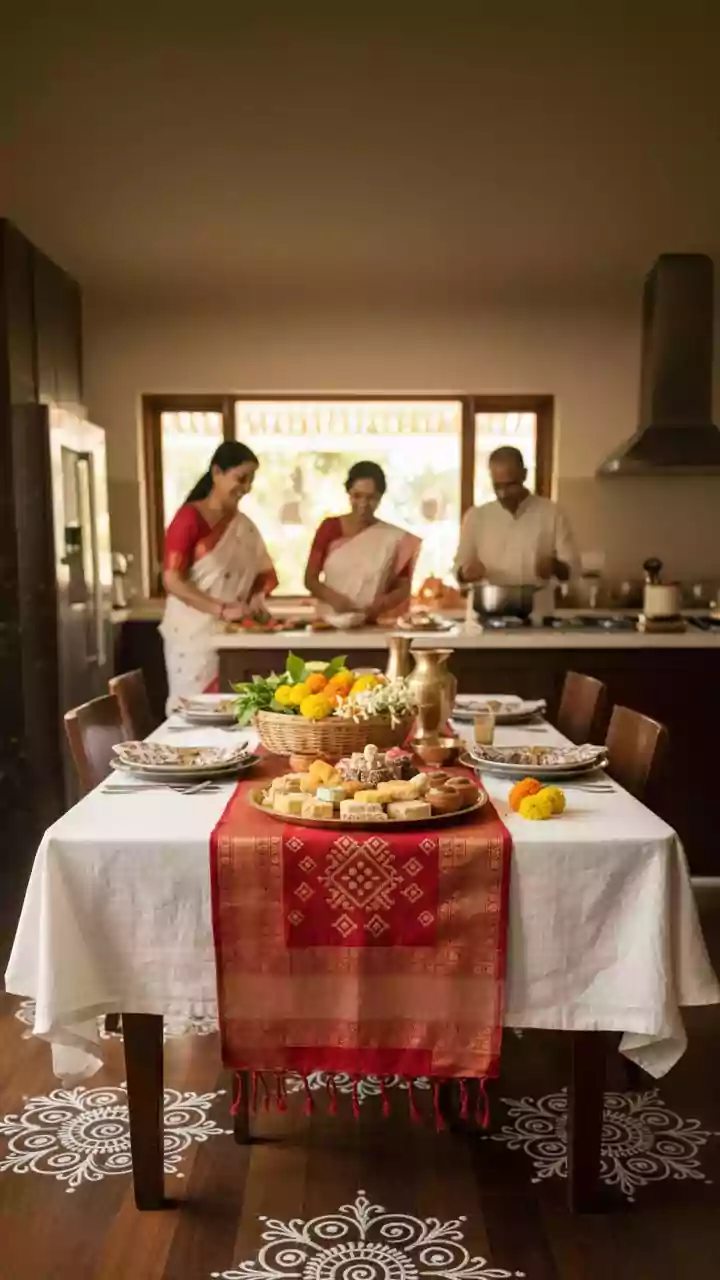
are synonymous with generosity and feasting. Preparing and sharing food is an act of love, but it often results in a surplus that can feel overwhelming. For working parents in cities, this is compounded by several factors. Urban apartments often feature smaller kitchens with limited storage space. Long work hours and daily commutes leave little time or energy for complex food preservation. Furthermore, there is a strong cultural and economic desire to avoid food waste. This combination of limited space, time constraints, and a deep-rooted value against waste creates a unique challenge, pushing parents to find smart, quick, and efficient ways to manage the delicious excess. It's no longer just about clearing the table; it's about resourcefully managing the household.
Maximising Fridge and Freezer Space
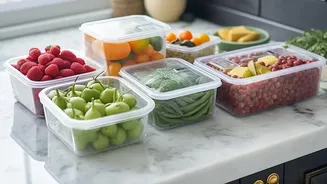
The refrigerator is the first line of defence against food spoilage, but it fills up fast. The first hack is portioning. Before storing, divide curries, dals, and cooked vegetables into meal-sized portions in airtight containers. This not only saves space but also makes future meal prep easier. Use stackable, square, or rectangular containers, as they utilize shelf space more efficiently than round ones. For items like gravies or chutneys, pouring them into ice cube trays to freeze is a game-changer. Once frozen, transfer the cubes to a zip-top bag. This allows you to use small amounts as needed without defrosting a large container. Finally, a quick audit before the festivities can free up crucial space. Use up older items to make room for the fresh feast.
Smart Storage for Sweets and Snacks
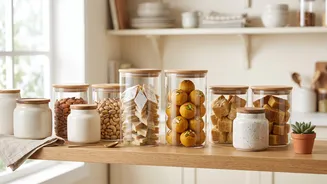
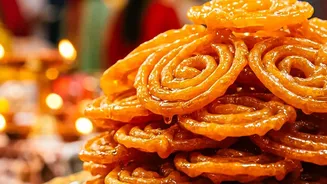
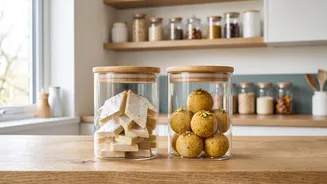
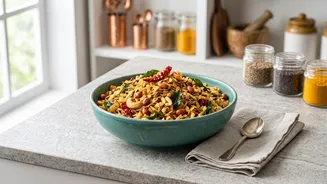
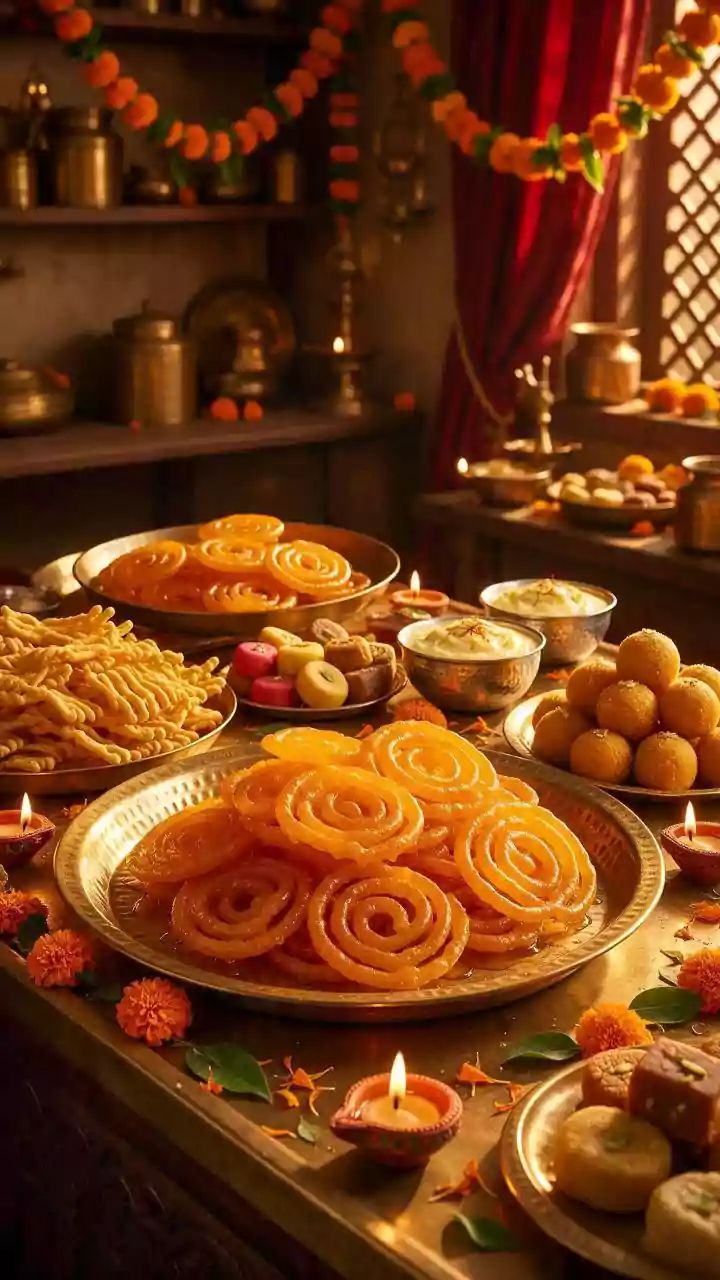
Festive sweets and dry snacks don't always need refrigeration, but they do need protection from air and moisture to prevent them from becoming stale or sticky. The key is using airtight containers. Store different types of sweets separately to prevent flavours from mixing—keep the strong aroma of besan ladoo away from delicate kaju katli. Clear jars are excellent as they allow you to see what you have at a glance, reducing the chance of forgotten treats. For long-term storage of items like homemade mathri or chakli, place a piece of bread or a small paper pouch of uncooked rice in the container to absorb excess moisture and maintain crispness. Label containers with the date, especially for homemade items, to ensure you consume them while they are at their freshest.
Thinking Vertically in Small Kitchens
When horizontal space on counters and shelves runs out, the only way to go is up. Using vertical space is a cornerstone of small kitchen organization. Wall-mounted racks or magnetic strips can hold utensils, knives, and even small spice containers, freeing up precious drawer and counter space. Inside cabinets, tiered shelves or corner rack inserts can double or even triple your storage capacity for jars and tins. Don't forget the inside of cabinet doors; slim organisers can be attached to hold everything from foil rolls to small packets and lids. This approach keeps your most-used items accessible without adding to the clutter of your workspace, making the kitchen feel more functional and less chaotic.
The Rise of Smarter Tools
Technology and modern kitchenware are offering new solutions. Vacuum sealers, once a professional tool, are becoming more common in homes. They extend the shelf life of food significantly by removing air, which is ideal for freezing meats, vegetables, and even some prepared dishes for much longer than traditional methods. Another useful tool is the collapsible container. These can be used to store food and then folded down to a fraction of their size when not in use, saving valuable cabinet space. Even simple innovations like clear, modular, and stackable fridge bins can create a more organized system, preventing items from getting lost at the back and ultimately wasted.