



A Junkyard in the Sky
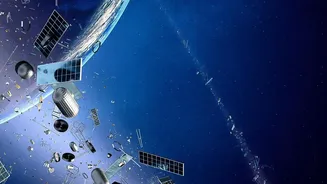
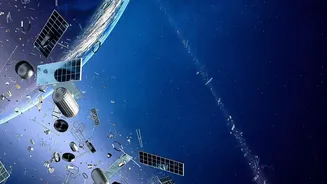
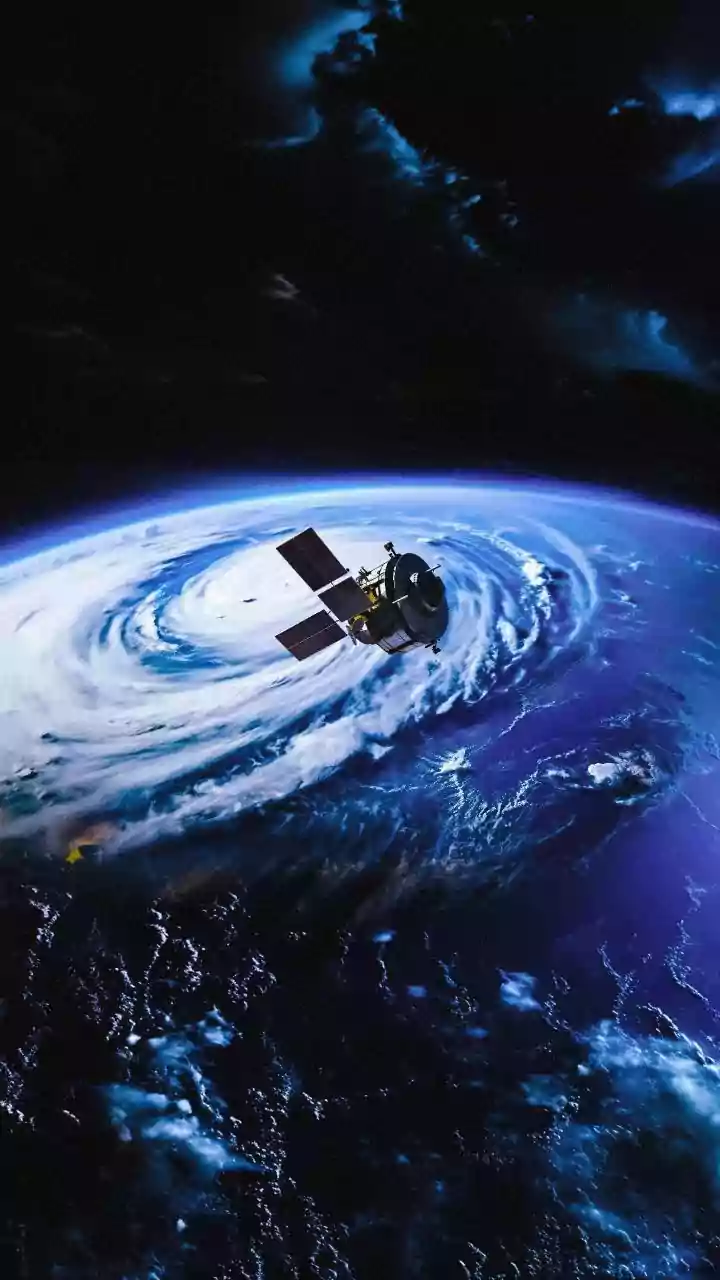
Low Earth Orbit (LEO) is becoming dangerously congested. For decades, we have been launching satellites, and many of those that have reached the end of their operational lives are still circling the planet. These defunct objects, along with discarded
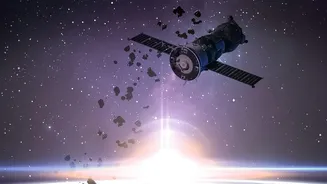
rocket stages and fragments from past collisions, make up a massive field of space debris. According to NASA and the European Space Agency, there are tens of thousands of objects larger than a softball, and millions of smaller, untrackable pieces. Travelling at speeds of over 17,500 miles per hour, even a tiny fragment can cause catastrophic damage to operational satellites, the International Space Station, and future missions. This growing threat has led to what some experts call the Kessler Syndrome, a scenario where the density of debris is so high that collisions create a cascading chain reaction, potentially rendering LEO unusable for generations.
The Rise of the Magnetic Tug
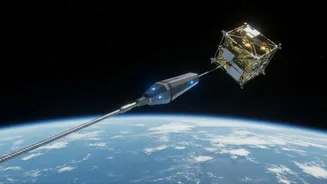
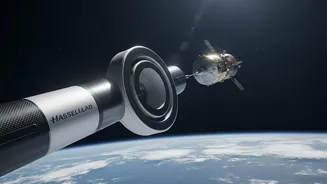
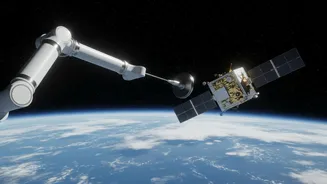
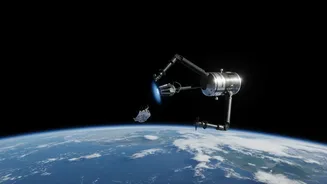
To solve this problem, space agencies and private companies are exploring various 'Active Debris Removal' (ADR) techniques, including nets, harpoons, and robotic arms. Among the most promising innovations is the use of magnetic forces. Two main concepts are gaining traction: magnetic grappling and electrodynamic tethers. Magnetic grappling involves a 'chaser' spacecraft that uses powerful electromagnets to attract and latch onto a target satellite from a safe distance, without direct physical contact. This contactless approach is a major advantage, as physically capturing a large, tumbling satellite risks creating even more debris. The chaser satellite would then act as a space tug, gently pulling the dead satellite into a lower orbit where it can safely burn up in Earth's atmosphere.
How Electrodynamic Tethers Work
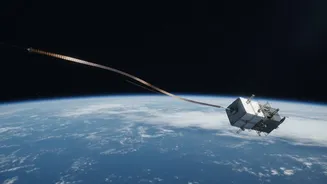
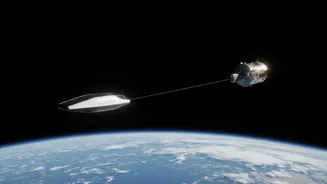
Electrodynamic Tethers (EDTs) take a different, but equally fascinating, approach. An EDT is a long, conductive wire, sometimes several kilometers long, deployed from a satellite. As this conductive tether moves through the Earth's magnetic field, it naturally generates an electric current. This interaction produces an electromagnetic force, known as Lorentz drag, which acts as a brake on the satellite. By generating this drag, the tether gradually slows the satellite and lowers its orbit, causing it to re-enter and disintegrate in the atmosphere without needing any propellant. This method is particularly efficient for de-orbiting satellites at the end of their mission, offering a low-cost, fuel-free way to ensure they don't become the space junk of tomorrow.
The Contactless Advantage
The primary benefit of magnetic systems is their ability to influence an object without touching it. Researchers are exploring how a chaser satellite with powerful superconducting magnets could slow the spin of a tumbling piece of debris, making it stable enough for capture. Some concepts even propose using magnetic forces to attract satellites by interacting with their 'magnetorquers' — standard components many satellites already use to orient themselves with Earth's magnetic field. This would mean that many existing derelict satellites could be targeted without needing any pre-installed docking hardware. Astroscale, a company leading in on-orbit servicing, has developed a standardized docking plate that can be installed on new satellites, enabling both magnetic and robotic capture for future repair or disposal.
Challenges and the Path Forward
Despite the promise, challenges remain. Magnetic grappling requires the target to be made of magnetic materials, and many satellites use non-magnetic metals like aluminum to save weight. Furthermore, the magnetic forces required to influence a multi-tonne satellite from a distance are significant, demanding powerful electromagnets and precise control. For EDTs, the long tethers are vulnerable to being severed by micrometeoroids or smaller pieces of debris. However, multiple missions are planned to demonstrate these technologies. The ElectroDynamic Debris Eliminator (EDDE) concept proposes using a fleet of tether-based vehicles to clean LEO. As companies like Starfish Space, Northrop Grumman, and various NASA-backed teams advance these systems, magnetic tethers are moving from theory to a viable solution for ensuring the long-term sustainability of space.