





Understanding Oxidised Jewellery
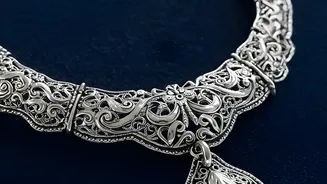
First, it's important to know what oxidised jewellery is. Unlike the tarnish that naturally forms on silver over time, the dark finish on an oxidised piece is intentional. Jewellers use a controlled process, often involving a sulfur compound, to deliberately
darken the metal's surface. This creates a patina that highlights intricate details and gives the jewellery a vintage, edgy character. This finish is a surface treatment, not a permanent state, which is why it can wear away with time and friction. The goal of care is not to polish the piece to a high shine but to preserve this intentional, artistic finish.
Mastering the Art of Storage
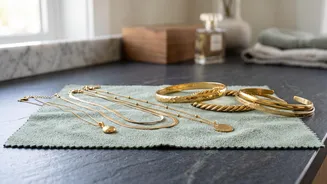
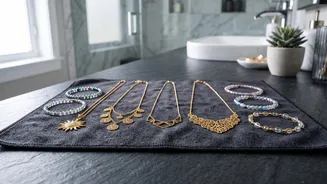
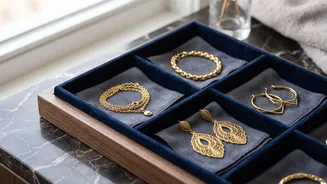
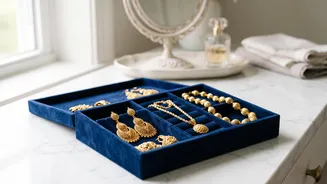
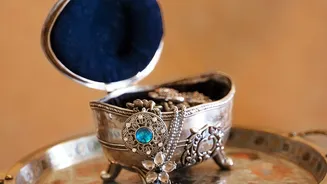
The single most important factor in preserving your oxidised jewellery is proper storage. Moisture and air are the primary enemies, as they can accelerate changes in the finish. Storing your pieces in a cool, dry place is essential. Never leave them in a humid environment like a bathroom. The best practice is to place each item in its own airtight container, such as a small zip-lock bag or a dedicated anti-tarnish pouch. This not only limits air exposure but also prevents pieces from scratching each other, as scratches are highly visible and can permanently damage the delicate surface. For added protection, you can add anti-tarnish strips or a silica gel packet to your jewellery box to absorb any excess moisture.
Gentle Cleaning Is Key
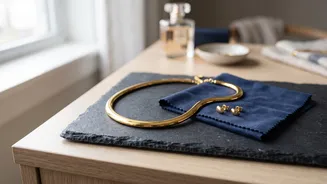
When it comes to cleaning, less is more. Aggressive cleaning methods will strip away the dark patina you love. Stay far away from harsh chemical dips, ultrasonic cleaners, abrasive polishes, toothpaste, and even acidic solutions like lemon juice or vinegar. For routine cleaning after wear, a simple wipe-down with a soft, dry microfiber cloth is all you need to remove oils and dust. For a deeper clean, you can use a very mild soap mixed with lukewarm water. Dip a soft cloth into the solution, gently wipe the jewellery, rinse it quickly under cool water, and, most importantly, dry it completely before storing.
Smart Habits for Wearing
How and when you wear your jewellery also plays a huge role in its longevity. The finish on pieces that experience a lot of friction, like rings and bracelets, will naturally fade faster than on earrings or necklaces. It’s wise to adopt a 'last on, first off' policy. Put your jewellery on only after you've applied all lotions, perfumes, and hairsprays, as the chemicals in these products can damage the finish. Always remove your oxidised pieces before showering, swimming, exercising, or doing household chores. Exposure to sweat, chlorine, and cleaning agents will accelerate the fading of the oxidation.
When the Finish Fades
Over time, it's natural for the oxidised finish to evolve, often developing a unique patina as the higher points become shinier from wear while the crevices remain dark. Many people appreciate this evolving character as part of the jewellery's story. However, if the finish has faded more than you'd like, it is not a lost cause. The good news is that the piece can often be restored. A professional jeweller can re-oxidise the jewellery, bringing back its original deep, dark contrast and making it look new again. It's always best to consult an expert rather than attempting a risky at-home chemical fix.