



From Selfie to Shelf-ie
A new wave of digital creativity is flooding Instagram and X (formerly Twitter) feeds, where users are reimagining themselves not just with filters, but as meticulously crafted, high-end collectible toys. The trend involves feeding a selfie into a generative
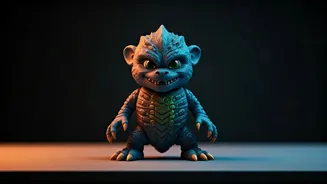
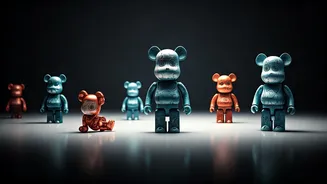
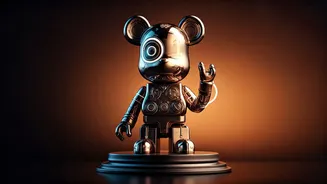
AI art tool and instructing it to create a 'vinyl toy' or 'Funko Pop-style' figure. The results are startlingly realistic: subjects are reborn in high-gloss plastic, complete with exaggerated features, custom outfits, and often housed in a pristine, collectible box bearing their name and 'Limited Edition' branding. It’s a phenomenon that sits at the intersection of personal photography, pop culture nostalgia, and cutting-edge technology, allowing anyone to see themselves as a coveted piece of merchandise.
The Allure of a Plastic Persona
Why has this trend captured the internet's imagination? The appeal is multi-layered. First, it taps into a deep well of nostalgia, reminiscent of childhoods spent with action figures and dolls. It evokes the modern collector culture popularized by brands like Funko, which turns every character imaginable into a shelf-worthy collectible. Seeing oneself in this format feels validating and fun, transforming your digital identity from a simple photo into a piece of conceptual art. Furthermore, it offers a novel form of self-expression. Instead of just a face, you become a character with implied backstory and personality, defined by the style of the toy. It’s a playful way to curate a digital persona that feels more designed and intentional than a standard profile picture.
Unboxing the AI Technology
The magic behind these transformations is generative AI, specifically text-to-image models. The most popular tool for this trend is Midjourney, which operates primarily through the chat app Discord. Users upload a clear photo of their face to serve as a reference image. Then, they write a detailed text command, or 'prompt', that guides the AI. This process is surprisingly intuitive. The AI analyses the features from the source image and blends them with the stylistic instructions from the prompt. By specifying terms like 'vinyl toy,' 'glossy finish,' 'in a box,' and 'studio lighting,' users can direct the AI to produce the specific aesthetic that has come to define this trend. The AI isn't just applying a filter; it's creating an entirely new image from scratch based on user input.
Your Guide to Getting 'Toy-ified'
Ready to turn yourself into a collectible? It's easier than you think. The first step is to access an AI image generator like Midjourney. Once you're set up, the process is straightforward. First, you need to give the AI your photo. In Midjourney, this usually means uploading the image to Discord and copying its URL. Next comes the most crucial part: writing your prompt. Start your prompt with the image URL, followed by your descriptive text. For a classic look, try a prompt like: "[Your Image URL] a Funko Pop style vinyl toy of a person with glasses and a blue shirt, in a dynamic pose, inside a collectible window box with 'Special Edition' text, studio lighting, high detail, 4k." Feel free to experiment with different toy styles (like 'Nendoroid' or 'designer vinyl art toy') and add details about your outfit or desired background. The more specific you are, the closer the result will be to your vision.
More Than Just a Toy Story
While it may seem like a fleeting bit of online fun, this trend signals a significant shift in how we interact with creative technology. What was once the domain of professional 3D modellers and graphic designers—creating a concept for a physical product—is now accessible to anyone with an internet connection. It democratises a high-level creative process, turning everyday users into art directors for their own digital merchandise. This represents a new frontier for digital identity, where our avatars can be as dynamic and creatively ambitious as we want them to be. It moves beyond static photos into a realm of imaginative self-portraiture, hinting at a future where personal branding is increasingly playful, customisable, and AI-assisted.