





More Than Just a Pandemic Hobby
While the lockdowns of 2020 certainly gave kitchen gardening a boost, the trend’s staying power reveals deeper motivations. For many urban Indians, it’s a direct response to growing concerns about food safety. Worries about pesticides, artificial ripening
agents, and long, complex supply chains have pushed people to seek more control over what they consume. Growing your own herbs and vegetables offers a simple guarantee: you know exactly what went into your food, from seed to harvest. Beyond food quality, there’s a significant wellness component. The act of nurturing a plant, of watching something grow under your care, has proven mental health benefits. In the hustle of city life, gardening offers a quiet, mindful escape. It’s a tangible way to de-stress, connect with a natural cycle, and find a moment of peace on a busy day. This shift transforms gardening from a chore into a form of self-care, a reason why it has resonated so strongly with millennials and Gen Z.
The New Urban Harvest
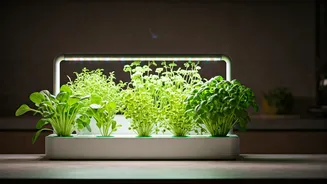
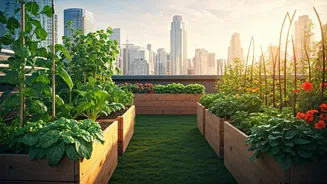
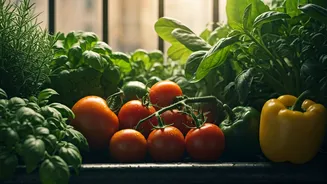
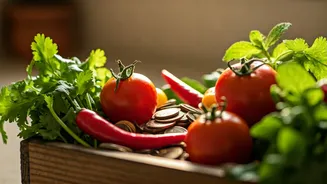
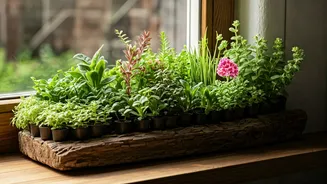
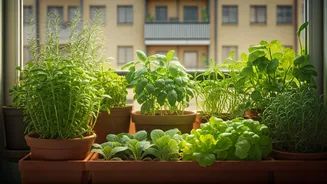
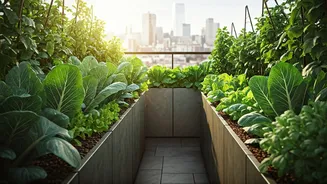
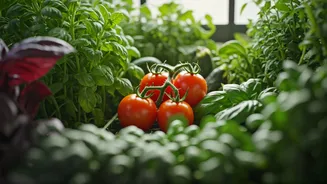
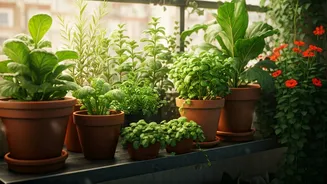
So, what are people actually growing in their pots and patches? The modern Indian kitchen garden is a mix of practicality and novelty. The essentials are always popular: herbs that are used daily, like coriander (dhania), mint (pudina), curry leaves, and tulsi, are often the first things people plant. They are relatively easy to grow and offer the immense satisfaction of snipping off fresh ingredients just moments before cooking. Easy-to-grow vegetables are the next step up. Tomatoes, chillies, brinjal, spinach (palak), and lady's finger (bhindi) are common sights on terraces and balconies. These don’t require massive spaces and reward the grower with a noticeable harvest. More recently, there has been a surge in growing microgreens. These nutrient-packed baby plants, like mustard, radish, and sunflower shoots, can be harvested in just a week or two and add a gourmet touch to salads and sandwiches, making them perfect for impatient new gardeners.
From Balconies to Instagram Feeds
A huge part of this trend’s momentum comes from its vibrant online community. A decade ago, a budding gardener might have relied on a knowledgeable neighbour or a hard-to-find book. Today, guidance is just a hashtag away. Instagram and Facebook are filled with thriving communities where urban farmers share their successes and failures. Hashtags like #UrbanFarmingIndia and #TerraceGarden are virtual classrooms, showcasing everything from DIY container ideas to pest-control tips. This digital ecosystem has democratised gardening knowledge. Influencers and everyday enthusiasts post tutorials, answer questions in real-time, and create a supportive network that encourages beginners to keep going even after their first few plants fail. Online workshops and startups selling curated beginner kits have also made it easier than ever to get started, removing the initial intimidation factor.
Your Guide to Getting Started
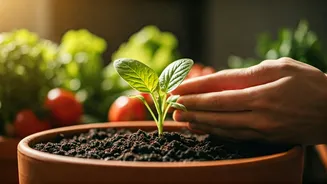
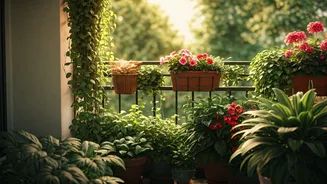
Feeling inspired? Joining the homegrown food movement is easier than you think. The key is to start small and manage expectations. Don’t try to create a full-fledged farm overnight. Here are a few simple steps: 1. **Assess Your Space:** Before buying anything, observe your balcony or windowsill. How many hours of direct sunlight does it get? Most vegetables need at least 4-6 hours. This will determine what you can grow. 2. **Pick Easy Winners:** Start with forgiving plants. Herbs like mint and tulsi are very resilient. Spinach grows quickly, and chilli plants are incredibly productive in sunny spots. Success with your first few plants will build confidence. 3. **Focus on Soil and Containers:** Don't just use mud from the ground. Buy a good-quality potting mix that contains cocopeat, compost, and other nutrients. Ensure your pots have drainage holes at the bottom to prevent waterlogging. 4. **Water Wisely:** The most common beginner mistake is overwatering. Stick your finger an inch into the soil. If it feels dry, it’s time to water. If it’s moist, wait another day.