
The Gentle Power of the Curve
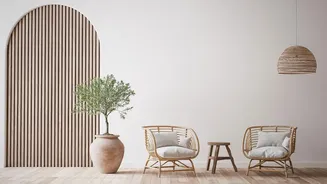
For years, modern Indian interiors were defined by straight lines and boxy furniture. Today, there is a visible shift towards softer, more organic forms. Curves are appearing everywhere, from rounded sofa arms and oval coffee tables to arched doorways
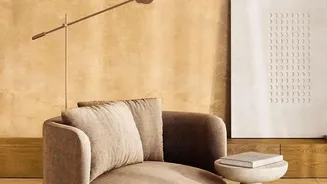
and even flowing walls that guide you through a space. This move isn't just about aesthetics; it's about feeling. Curves make a room feel less rigid and more welcoming. In compact urban apartments, where every corner counts, rounded furniture is easier to navigate and makes movement feel more natural. Designers note that this trend is also a response to a desire for more personalized and artistic homes; a perfectly executed curve requires skilled craftsmanship, lending a bespoke quality to the space. Beyond furniture, architectural curves are being used to gently separate zones in open-plan living areas without closing them off, creating a sense of flow.
The Enduring Warmth of Wood
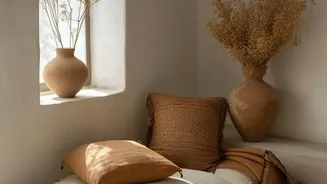
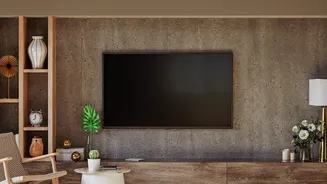
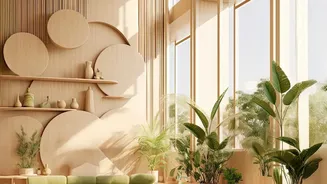
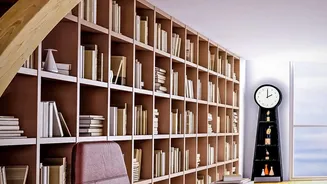
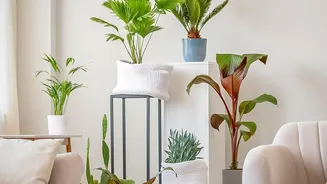
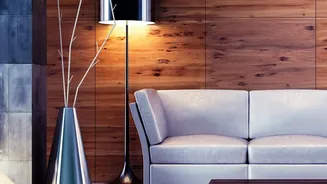
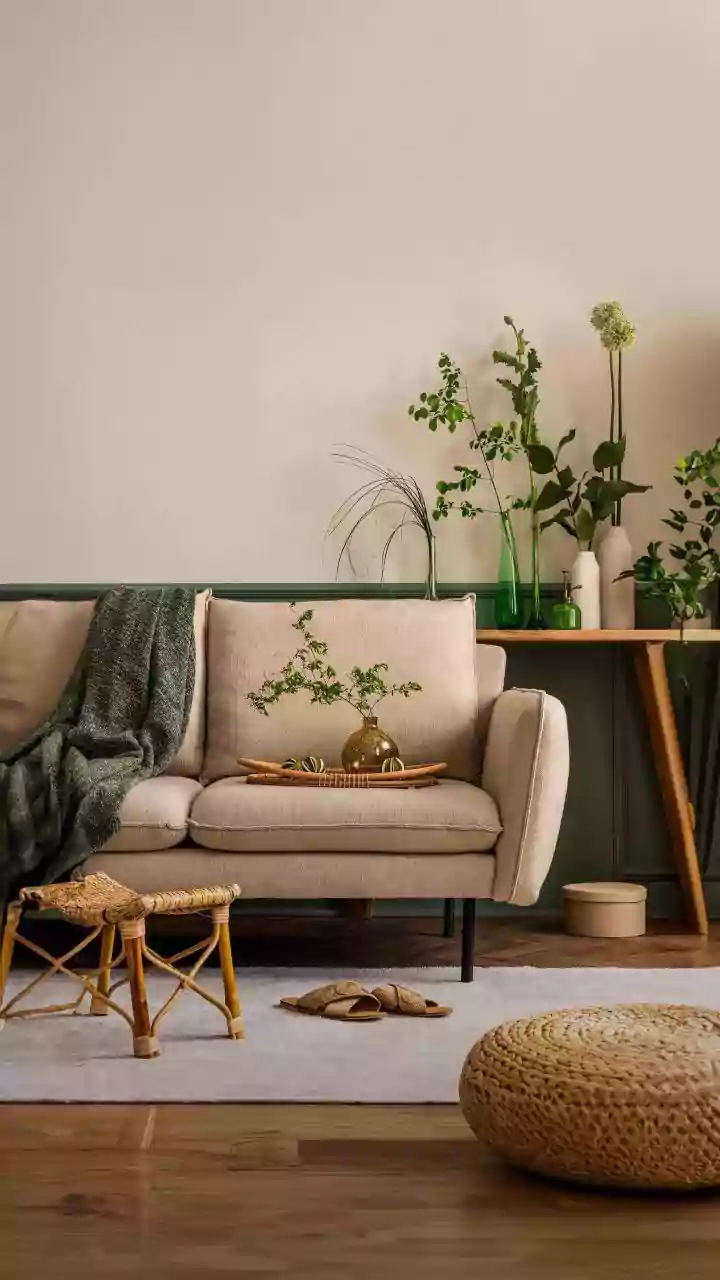
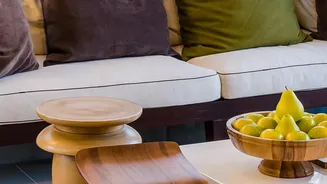
Wood is making a major comeback, moving beyond just furniture to become a key feature of walls, ceilings, and floors. Homeowners are embracing the natural grain and texture of materials like teak and sheesham, which have long been prized in India for their durability. This trend is part of a larger movement towards biophilic design—the practice of connecting our indoor spaces with the natural world. Using natural materials like wood, stone, and clay is known to have a calming effect and promote a sense of wellness. The look is less about high-gloss lacquer and more about honest, matte finishes that highlight the material's inherent beauty. This aesthetic finds a perfect partner in the Japandi style—a blend of Japanese simplicity and Scandinavian warmth—which heavily features natural materials and is gaining immense popularity in Indian homes. This style champions using materials that are not only beautiful but also sustainable and suited to the Indian climate.
The Magic of Layered Lighting
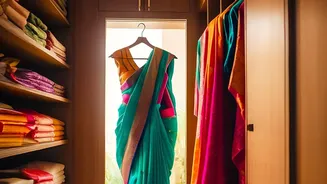
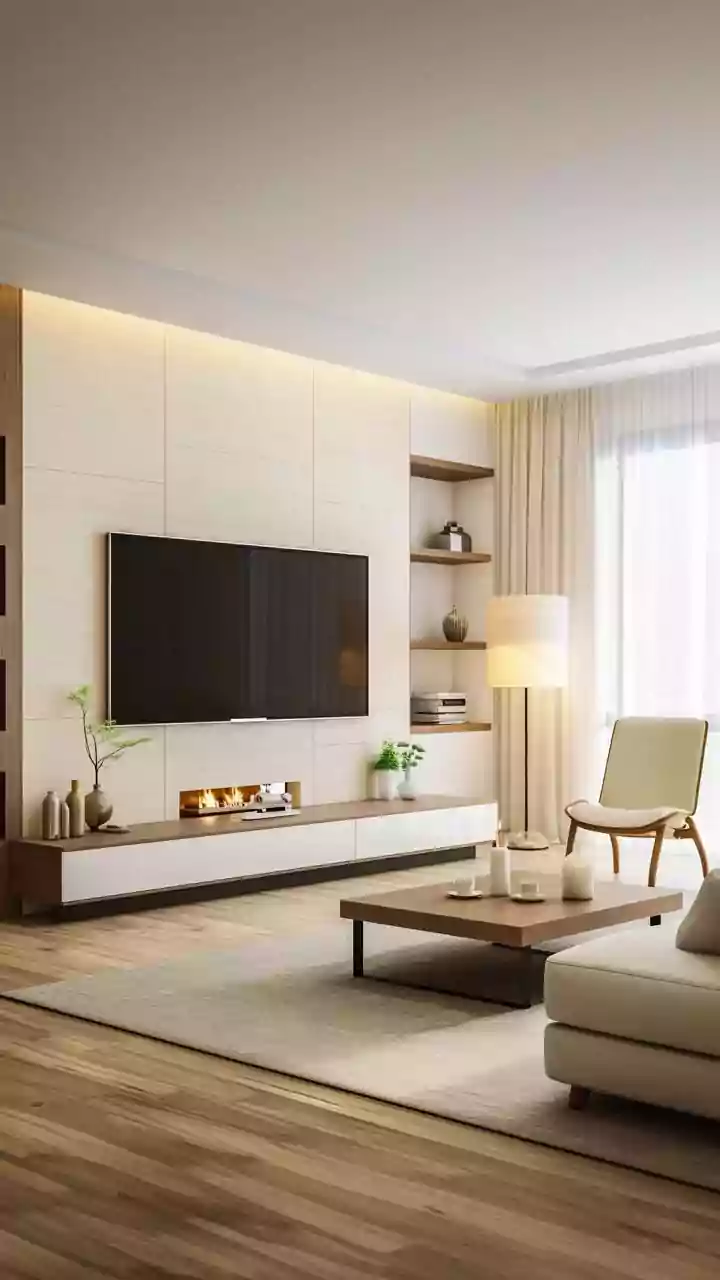
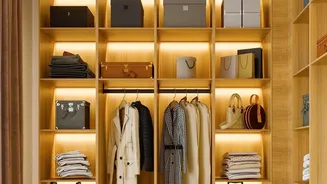
Perhaps the most transformative trend is the move away from a single, harsh ceiling light to a more sophisticated layered approach. Layered lighting involves combining three main types of light to create a functional and atmospheric space. First is 'ambient' light, the general illumination that makes a room visible, often from recessed fixtures or a central chandelier. Next is 'task' lighting, which is focused on specific activities like reading or cooking, provided by floor lamps, under-cabinet lights, or pendants. The final layer is 'accent' lighting, which adds drama and depth by highlighting artwork, plants, or architectural details. Using these layers together, often on separate dimmable switches, allows homeowners to change the mood of a room instantly—from bright and functional for cleaning to soft and relaxed for an evening gathering. For a warmer feel, designers recommend using warm white bulbs (around 3000K), which make wooden furniture and Indian textiles look richer.
A Cohesive, Comfortable Whole
These three elements—curves, wood, and layered lighting—are not working in isolation. They are part of a unified shift towards creating homes that are more human-centric, comfortable, and connected to nature. The organic shapes of curved furniture are complemented by the natural textures of wood, while layered lighting enhances the warmth and depth of these materials. The result is a living space that feels less like a sterile showroom and more like a personal sanctuary. It's a design language that prioritizes tactile comfort and visual calm, reflecting a growing desire among Indian homeowners for spaces that support well-being in an increasingly fast-paced world. This approach blends global trends like Japandi and biophilic design with an inherent Indian appreciation for craftsmanship and natural materials, creating a style that is both contemporary and deeply rooted.