



Loktak Lake, Manipur: The Lake of Floating Islands
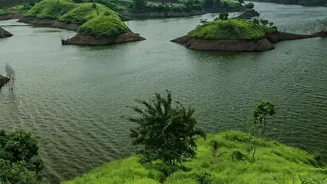
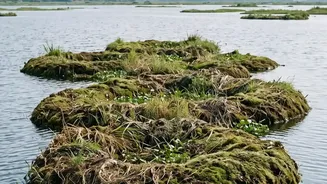
Loktak Lake is perhaps the most unique waterbody in India, if not the world. Located in Manipur, it's famous for its 'phumdis'—circular, floating masses of vegetation, soil, and organic matter. These are not just small patches of weed; they are solid
enough for local fishermen to build huts, called 'phumsangs', upon them. A boat ride across Loktak feels like gliding through a different reality, witnessing a way of life perfectly in sync with the water. The lake is also home to the Keibul Lamjao National Park, the world's only floating national park. This park is the last natural habitat of the endangered Sangai deer, or 'dancing deer', which can be seen delicately navigating the spongy phumdis. Often called the 'lifeline of Manipur', the lake is crucial for the local economy, supporting everything from fishing to irrigation.
Tsomgo Lake, Sikkim: The Glacial Wonder
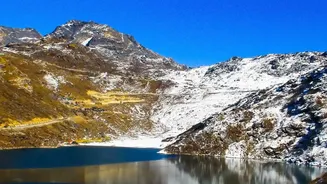
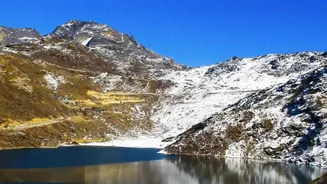
A trip from Gangtok to Tsomgo Lake, also known as Changu Lake, is a journey in itself, ascending to an altitude of over 12,300 feet. This glacial lake is a spectacle in every season. In winter, it can be a frozen sheet of ice, surrounded by snow-covered mountains. As spring arrives, the ice melts to reveal stunning turquoise water, while the surrounding hills bloom with rhododendrons and primulas. Tsomgo Lake is considered sacred by local Buddhists, who traditionally studied its changing colours to predict the future. Visitors can enjoy a yak ride along its banks or take a ropeway for a bird's-eye view of the breathtaking Himalayan scenery. Due to its proximity to the border, a permit is required to visit, which is usually arranged by local tour operators.
Gurudongmar Lake, Sikkim: Where Heaven Touches Earth
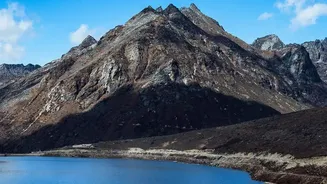
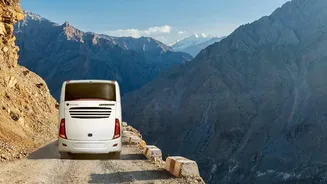
Situated at a staggering altitude of nearly 17,800 feet, Gurudongmar Lake is one of the highest lakes in the world. Located in North Sikkim and close to the Tibetan border, the journey here is as dramatic as the destination. The air is thin, and the landscape is a vast, cold desert. The lake itself is a breathtaking expanse of emerald-blue water, held sacred by Buddhists, Sikhs, and Hindus. Legend has it that Guru Padmasambhava touched a part of the lake, and that portion never freezes, even in the harshest winters, providing a source of water for the locals. A visit to Gurudongmar is a profound experience, but it requires careful planning. Acclimatisation is crucial due to the extreme altitude, and access is restricted to Indian nationals with a special permit.
Umiam Lake, Meghalaya: The Expansive Reservoir
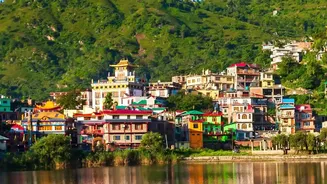
As you drive from Guwahati to Shillong, you are greeted by the vast, serene expanse of Umiam Lake, also known as Barapani or 'big water'. Created in the early 1960s by damming the Umiam River, this man-made reservoir has become a popular destination for both locals and tourists. Surrounded by lush Khasi hills, the lake is a hub for water sports. You can go boating, kayaking, or water skiing, making it a perfect spot for adventure seekers and families. For those seeking tranquility, there are quiet spots along its shores to simply relax and admire the scenery. The view from the Umiam Lake viewpoint is particularly stunning, offering panoramic vistas of the water against a backdrop of green hills.
Sela Lake, Arunachal Pradesh: The Paradise Lake
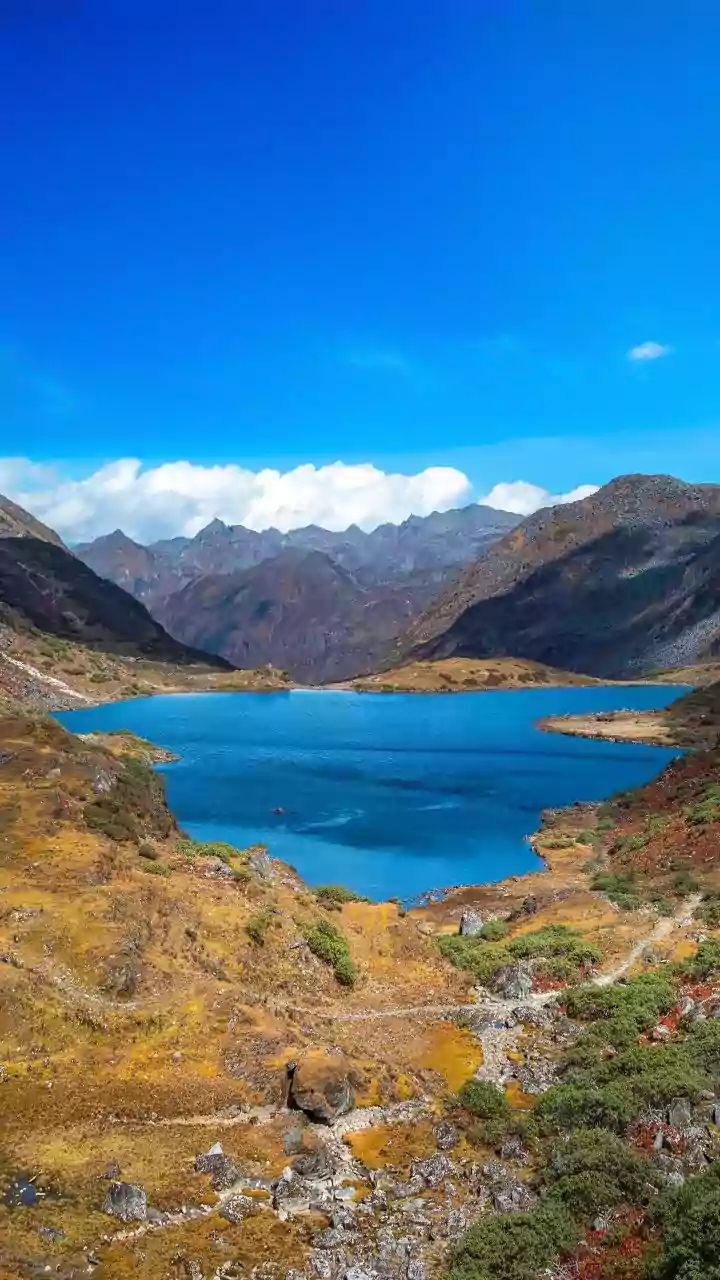
Nestled near the high-altitude Sela Pass in Arunachal Pradesh, at over 13,700 feet, Sela Lake is often called 'Paradise Lake' for its ethereal beauty. This sacred lake, revered by the local Monpa tribe and Tibetan Buddhists, often remains frozen during the winter months. When it thaws, its crystal-clear water perfectly mirrors the surrounding snow-capped peaks. The pass itself is historically significant, having played a role in the 1962 Sino-Indian War, and serves as a gateway to the famous Tawang Monastery. The landscape around Sela Lake is rugged and raw, home to unique high-altitude wildlife like the red panda and Himalayan black bear, making it a haven for nature lovers and photographers.