




Meet Two Resilient Beauties
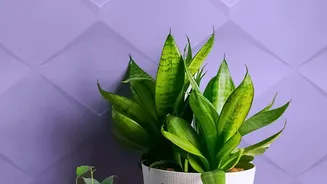
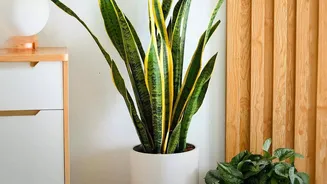
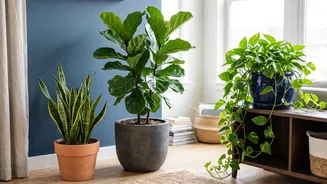
The Snake Plant (Dracaena trifasciata), also known as Mother-in-Law's Tongue, is instantly recognizable by its stiff, upright, sword-like leaves. These leaves often feature striking patterns of green, yellow, or grey. It brings a modern, architectural
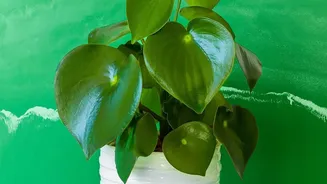
feel to any room. On the other hand, the Pothos (Epipremnum aureum), often called Money Plant or Devil's Ivy in India, is a lush, trailing vine with heart-shaped leaves that can be green or variegated with white and yellow. Its fast-growing nature makes it ideal for hanging baskets or letting it cascade down shelves, adding a vibrant, jungle-like feel to your decor.
The Air-Purifying Question
Both plants gained fame from a 1989 NASA Clean Air Study, which found they could remove common household toxins like formaldehyde and benzene from sealed chambers. The Snake Plant is particularly noted for its ability to release oxygen at night, making it a popular choice for bedrooms. However, it is important to have realistic expectations. The NASA study was conducted in a controlled lab setting, not a typical home with regular air circulation. More recent analysis suggests you would need a very large number of plants to significantly impact indoor air quality. While they do contribute positively, their primary benefits are aesthetic and their proven psychological boost.
Snake Plant Care: The Survivor
The Snake Plant is the definition of low-maintenance, making it nearly impossible to kill. It is extremely drought-tolerant and prone to root rot if overwatered. The best rule is to water only when the soil is completely dry, which could be as infrequent as every 2-6 weeks depending on the environment. While it prefers bright, indirect light to grow best, it is highly adaptable and will tolerate low-light conditions, making it perfect for corners of a room that don't get much sun. This hardy plant, native to West Africa, prefers dry conditions and thrives in most household temperatures.
Pothos Care: The Eager Grower
Pothos is another beginner-friendly option that is very forgiving. It thrives in bright, indirect light but can also adapt to low-light areas, though its growth may slow and variegation might fade. Direct sunlight should be avoided as it can scorch the leaves. Unlike the Snake Plant, Pothos likes its soil to dry out only slightly between waterings; a good rule of thumb is to water when the top inch or two of soil feels dry. This tropical vine enjoys a bit of humidity but does fine in standard household conditions. It is a fast grower, and its trailing vines can be trimmed easily to encourage a fuller, bushier plant or to control its length.
Which Plant Is Right for You?
Your choice between a Snake Plant and a Pothos might come down to your personality and your space. If you are a forgetful waterer or have a low-light spot you want to fill, the Snake Plant is your perfect match. Its upright growth habit is great for floor planters and tight corners. If you are a more attentive plant parent and love the look of cascading vines, the Pothos is an excellent choice. It’s perfect for shelves, hanging baskets, or the top of a bookshelf, bringing a dynamic and lush feel to your bedroom or study. Both are incredibly resilient and adapt well to Indian climatic conditions, making them fantastic starter plants.