

The Quantity Conversation: A National Deficit
First, let's address the numbers. A significant portion of the Indian population is protein-deficient, with some studies suggesting 73% of urban Indians don't get enough. The Indian Council of Medical Research (ICMR) recommends about 0.8 to 1 gram of protein per
kilogram of body weight for a sedentary adult. For a 60kg person, that’s around 48-60 grams daily. However, the average intake is often much lower, sometimes hovering around 0.6 grams per kilogram. This gap exists partly because many people are unaware of their daily protein needs and also because traditional Indian diets can be heavy on carbohydrates. Protein is essential for everything from building muscle and repairing tissues to supporting your immune system, so this deficit matters.
Beyond Grams: The Concept of 'Complete' Protein
This is where the idea of variety becomes critical. Protein is made up of building blocks called amino acids. There are nine 'essential' amino acids that our bodies can't produce, so we must get them from food. A 'complete' protein source contains all nine. Most animal-based foods like meat, eggs, and dairy (paneer, curd) are complete proteins. However, most plant-based foods, which form the backbone of many Indian diets, are 'incomplete'—they are typically low in one or two essential amino acids. For instance, lentils (dal) are often low in the amino acid methionine, while grains like rice and wheat are low in lysine. This doesn't make them inferior, it just means you need to be smart about how you eat them.
The Indian Diet's Secret Weapon: Protein Complementation
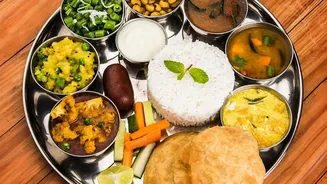
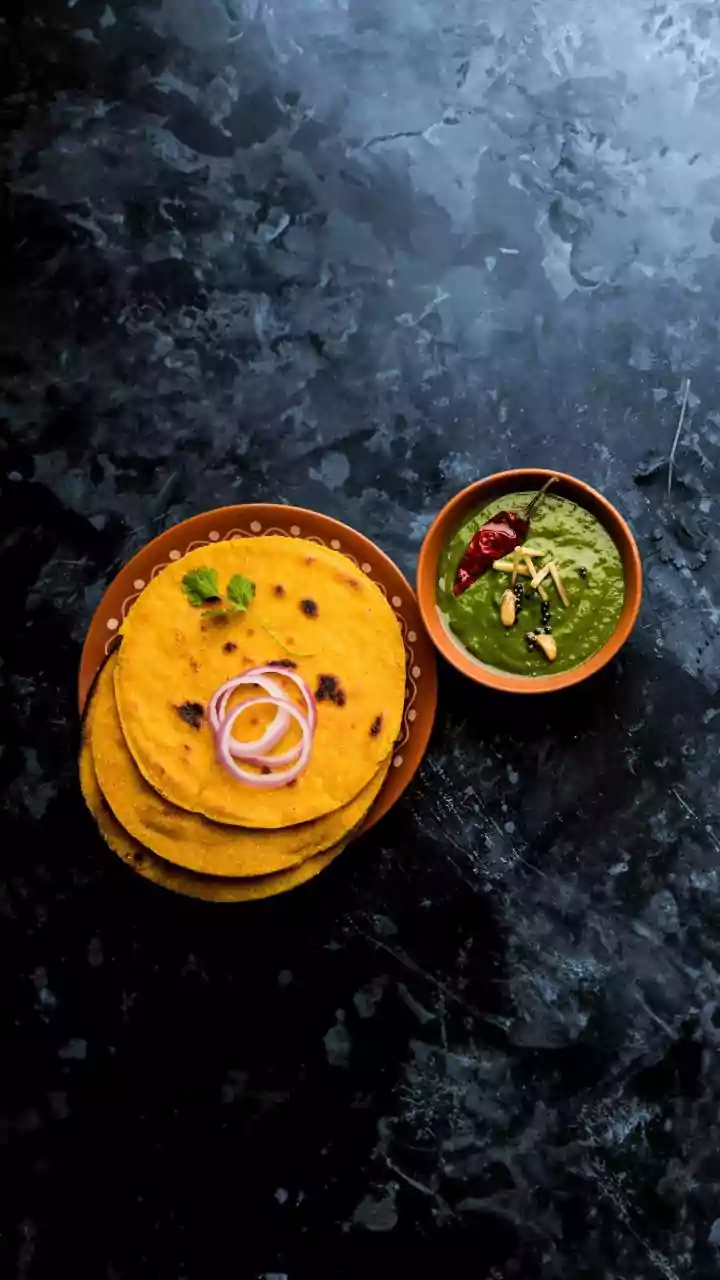
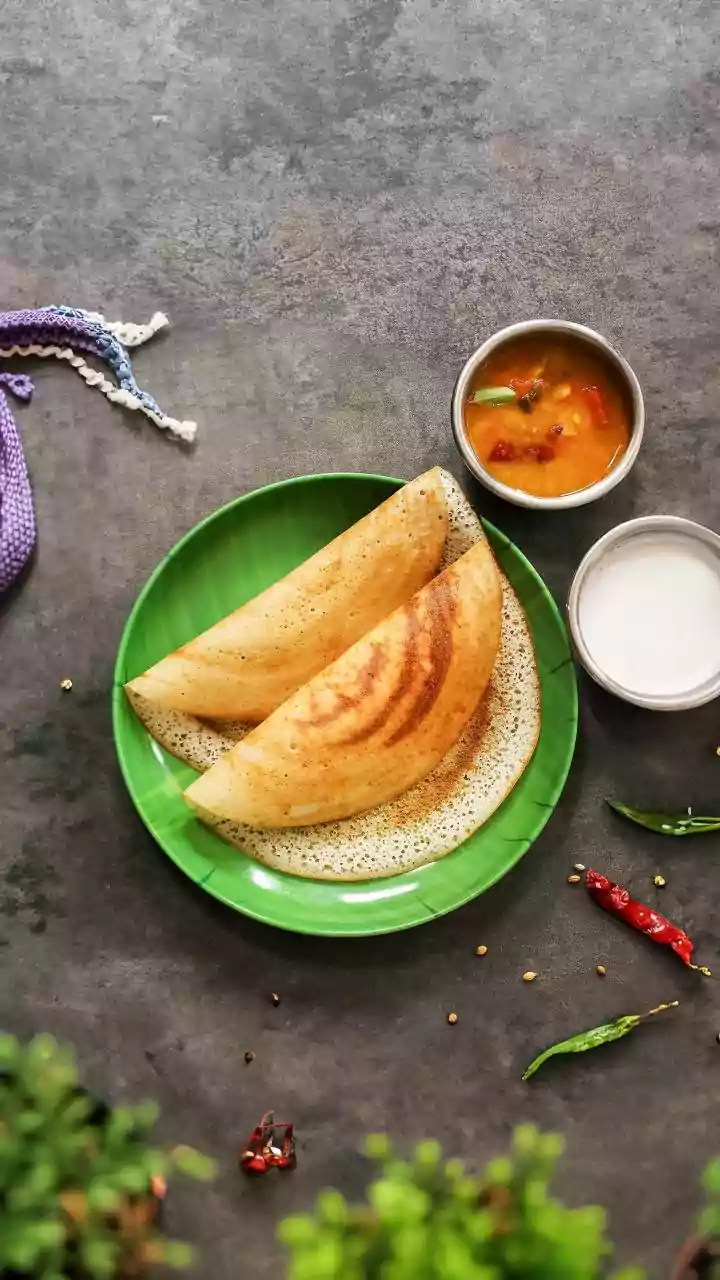
Chances are, you're already a pro at protein combination without even realising it. Traditional Indian cuisine has an inbuilt nutritional wisdom called 'protein complementation'. By pairing different food groups, our meals traditionally create a complete amino acid profile. The classic combination of dal and rice is a perfect example. The dal provides the lysine that rice lacks, and the rice provides the methionine that dal lacks. Together, they deliver all nine essential amino acids. This principle applies to many beloved Indian meals: a roti (grain) eaten with chana (legume), rajma-chawal, and idli or dosa, which are made from a fermented batter of rice and urad dal. Our ancestors figured this out long before the science was understood.
A Rainbow of Proteins: More Than Just Muscle
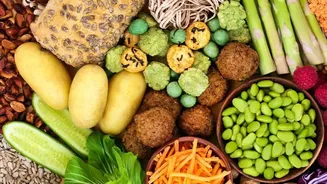
Focusing on a variety of protein sources offers benefits far beyond just getting a complete amino acid profile. Different foods come with a unique package of other vital nutrients. For example, fish provides heart-healthy omega-3 fatty acids along with its protein. Lentils and beans are packed with dietary fibre, which is crucial for gut health and digestion. Nuts and seeds offer healthy fats, vitamins, and minerals. Dairy products like curd are excellent sources of calcium and probiotics. By rotating your protein sources—from dals and legumes to paneer, eggs, soy, nuts, and seeds—you ensure your body receives a broader spectrum of micronutrients, supporting everything from hormone function to immunity.
How to Diversify Your Protein Intake
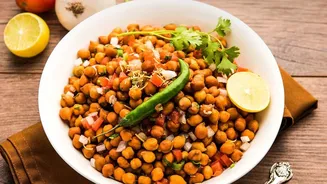
Putting this into practice is simpler than it sounds. For vegetarians, consciously include a mix of different dals, legumes like rajma and chole, dairy products like paneer and curd, and soy products like tofu or soya chunks in your weekly menu. Millets like jowar and bajra are also excellent protein sources that can be combined with dals. For non-vegetarians, ensure you are not solely relying on chicken; incorporate fish, eggs, and plant-based proteins into your diet as well. The goal is to avoid monotony. Instead of eating the same dal every day, rotate between moong, masoor, and toor. Add a handful of nuts and seeds to your breakfast or as a snack. This simple strategy of diversification ensures your body gets the high-quality fuel it needs to thrive.