



As winter approaches, Delhi-NCR braces for its annual battle with severe air pollution, triggering a complex web of rules that directly impact commercial drivers from outside the region. For these outstation drivers, navigating the capital becomes a maze.
The Winter Action Plan
Every year, as temperatures drop, a combination of factors including agricultural stubble burning in neighbouring states, lower wind speeds, and local emissions from vehicles and industry traps pollutants in Delhi's air. To combat this predictable crisis, authorities implement a series of emergency measures. The two primary frameworks drivers need to know are a fixed Winter Action Plan and the dynamic Graded Response Action Plan (GRAP). For 2026, a key part of the winter plan is a blanket ban on certain commercial vehicles from November 1. This pre-scheduled restriction is designed to cut a major source of pollution before the air quality deteriorates to its worst levels.
Which Vehicles Are Banned?
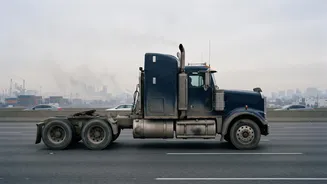
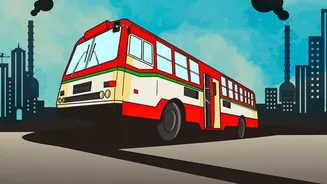
Starting November 1, 2026, most commercial goods vehicles with BS-IV emission standards or older are barred from entering Delhi. This restriction applies to light, medium, and heavy goods vehicles, including trucks and many commercial buses operating under All India Tourist Permits. If your truck or commercial vehicle is registered outside Delhi and is not certified as BS-VI, it will likely be denied entry. This rule is in effect regardless of the daily pollution reading, running from November 1, 2026, through January 31, 2027. The key takeaway for transporters is to check a vehicle's emission standard before dispatching it to the capital.
Understanding GRAP and Its Stages
Separate from the fixed November 1 ban is the Graded Response Action Plan (GRAP), a set of emergency measures that escalate as air quality worsens. It has four stages triggered by the Air Quality Index (AQI). As of late October 2026, Delhi is under GRAP Stage 1, which involves measures like enforcing PUC certificate norms and banning visibly polluting vehicles. If the AQI worsens to 'Severe' (Stage III) or 'Severe Plus' (Stage IV), much stricter rules kick in. These can include a ban on even more categories of diesel vehicles, including BS-IV light commercial vehicles registered outside Delhi that might have been exempt under lower stages. Critically, exemptions for vehicles carrying essential goods have been tightened in recent revisions, meaning drivers can no longer assume their cargo grants them automatic entry.
Are There Any Exemptions?
Yes, but they are specific. The blanket ban starting November 1 does not apply to vehicles that run on cleaner fuels. Commercial vehicles powered by CNG or electricity are permitted to enter Delhi. Additionally, diesel trucks and buses that are compliant with the newer BS-VI emission standards are also exempt from this specific ban. However, all vehicles, including those that are exempt, must still comply with other standing rules. This includes the ban on diesel vehicles older than 10 years and petrol vehicles older than 15 years. Having a valid Pollution Under Control Certificate (PUCC) is also mandatory for everyone.
The Cost of Non-Compliance
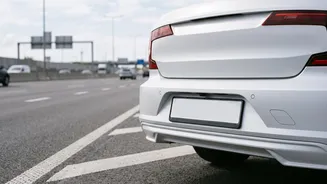
For an outstation driver, ignoring these rules can be costly. The most immediate consequence is being turned away at the border, leading to significant delays and potential loss of goods. Authorities are using an automated dragnet of number-plate recognition cameras to enforce these rules, reducing the chances of slipping through. Fines for violations can be steep. For example, driving without a valid PUCC can attract a fine of ₹10,000. Under the most severe GRAP stages, the fine for using a banned vehicle can be as high as ₹20,000. In some cases, vehicles may be impounded. Furthermore, Delhi is enforcing a 'No PUC, No Fuel' policy, where petrol pumps will deny fuel to vehicles without a valid certificate, potentially leaving a non-compliant driver stranded.