







Connecting the Dots: Delhi, Mumbai, and Chennai
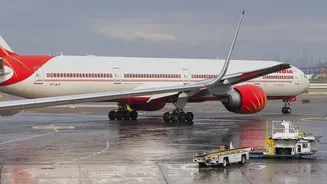
The most significant development for passengers is the introduction of new services by Air India Express starting September 1. The airline will launch direct, non-stop flights connecting Madurai with three of India's busiest metropolitan hubs: Delhi,
Mumbai, and Chennai. This move is poised to dramatically improve travel options for business professionals, students, pilgrims, and tourists. The new routes replace a previous one-stop premium service operated by Air India, signalling a strategic shift towards higher-capacity, low-cost travel options from the temple city. According to officials from the Airports Authority of India (AAI), Air India Express will deploy aircraft with over 180 economy seats, a considerable increase in capacity that should improve ticket availability for these high-demand sectors. Bookings for these much-anticipated September flights have already opened, allowing travellers to plan their trips in advance.
A Welcome Break for Passenger Wallets
For frequent flyers, particularly on the Madurai-Chennai route, the new services are expected to bring much-needed relief from soaring ticket prices. This sector has largely been dominated by a single carrier, leading to significant fare hikes during weekends, festivals, and peak travel seasons, with prices sometimes reaching staggering levels. The entry of Air India Express introduces robust competition, which is widely anticipated to stabilize fares and keep them affordable. Aviation enthusiasts and travel experts suggest that the fares on the new Madurai-Chennai route could be comparable to similar low-cost routes in the region, which typically range between ₹2,000 and ₹2,500 during normal periods. This increased competition ensures that travellers have more choices and are less likely to face exorbitant prices, making spontaneous trips and planned journeys more accessible for everyone.
More Than Just New Flights
This expansion is not happening in a vacuum. It comes on the heels of Madurai Airport being officially granted international status in March 2026, a move that has paved the way for significant infrastructural upgrades and a broader vision for connectivity. The airport, which currently handles around 36-37 domestic flights daily, is a crucial gateway for the southern districts of Tamil Nadu, including Theni, Dindigul, Sivaganga, and Ramanathapuram. The addition of these key domestic routes strengthens its position as a vital hub for trade, tourism, and logistics. This growth follows a trend of increasing connectivity, including the launch of an IndiGo flight to Abu Dhabi in 2025, which expanded the airport's international footprint. These developments collectively enhance Madurai's appeal as a destination and a point of origin, benefiting the local economy and making travel more seamless.
The Future on the Horizon
The September launches are just one part of a larger expansion plan. Air India Express has indicated its intent to further increase its operations from Madurai, with plans to raise its daily departures to five by January 2027. The next phase of this expansion is expected to include a direct flight to Bengaluru, another key route for tech and business travellers, as well as a new international service to a destination in the Gulf. These future plans depend on various factors, but they paint a clear picture of sustained growth for the airport. For travellers, this means that the map of direct flights from Madurai is set to become even more detailed, offering greater convenience and opening up new possibilities for both domestic and international journeys in the near future.