






Rethinking Your Daily Rice
For many, white rice is a comforting staple, a familiar base for countless meals. However, the polishing process that gives white rice its characteristic texture also strips away most of its fiber, vitamins, and minerals. What’s left is primarily starch,
which can cause rapid spikes in blood sugar. While it provides quick energy, its low fiber content—a mere 0.2g per 100g—does little to support the complex ecosystem of our gut. A diet low in dietary fiber can lead to digestive issues and fails to feed the beneficial bacteria that are crucial for a healthy gut microbiome, strong immunity, and even mood regulation. This has led many to seek out whole-grain alternatives that offer more nutritional value without sacrificing satisfaction.
Enter Foxtail Millet (Kangni/Thinai)
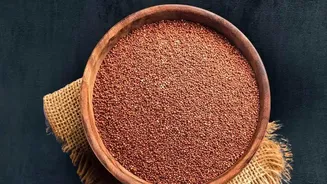
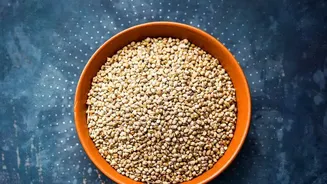
Foxtail millet, known as Kangni in Hindi and Thinai in Tamil, is a nutritional powerhouse. It is packed with about 12g of protein and, most importantly, a remarkable 8g of dietary fiber per 100g serving—that's nearly 40 times more than white rice. This high fiber content is critical for digestive health; it helps ensure regular bowel movements and acts as a prebiotic, providing food for the good bacteria in your gut. Rich in essential minerals like iron, magnesium, and phosphorus, foxtail millet also supports everything from bone health to energy production. Furthermore, it has a low glycemic index (GI) of around 50, compared to white rice's high GI of 73. This means it releases energy slowly, preventing the sharp blood sugar spikes associated with refined grains and keeping you feeling full for longer.
The Power of Sorghum (Jowar)
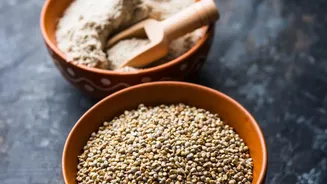
Sorghum, or Jowar, is another gluten-free ancient grain that stands as a superior alternative to rice. A 100g serving provides around 10g of protein and nearly 7g of dietary fiber. This fiber, which includes resistant starch, is particularly beneficial for gut health. It travels undigested to the colon where it ferments, feeding beneficial gut bacteria like Bifidobacterium and Lactobacillus. This process not only promotes a diverse and healthy gut microbiome but also produces short-chain fatty acids like butyrate, which has anti-inflammatory properties and strengthens the gut lining. Sorghum is also rich in antioxidants, including tannins and phenolic compounds, which help reduce inflammation and oxidative stress in the digestive tract.
The Gut-Brain Connection
Making the switch to these millets is more than just a simple dietary upgrade; it's an investment in your holistic well-being. The high fiber in both foxtail millet and sorghum directly contributes to a healthier gut environment. A thriving gut microbiome is linked to improved immunity, better nutrient absorption, and even a more stable mood. The prebiotic fiber in these grains helps increase microbial diversity, which is a key indicator of gut health. By consistently choosing fiber-rich grains over refined ones, you are actively nourishing the foundation of your body's wellness, helping to prevent common issues like bloating and constipation while supporting long-term digestive function.
How to Make the Switch
Incorporating foxtail and sorghum millets into your daily routine is surprisingly simple. They can be cooked much like rice and used as a direct substitute in dishes like pulao, khichdi, biryani, or simply served alongside your favourite dal and curries. For best results, it's recommended to soak the millets for at least a few hours or overnight. This process helps reduce phytic acid, making the nutrients more bioavailable, and results in a softer texture. A general cooking ratio is 1 cup of millet to 2-2.5 cups of water. You can toast the grains in a dry pan for a few minutes before adding water to enhance their nutty flavor. Start by substituting one meal a day and gradually increase as you get accustomed to the taste and texture.