






The Rise of the Ghost Kitchen
Chances are, your last food delivery didn't come from a traditional restaurant with tables and waiters. It likely came from a cloud kitchen, also known as a ghost or dark kitchen. These are delivery-only cooking facilities designed to serve customers
through apps like Zomato and Swiggy. With no need for expensive high-street locations or customer-facing staff, they have become the backbone of online food delivery. The Indian cloud kitchen market was valued at over a billion dollars in 2024 and is projected to grow at over 12% annually, reaching nearly USD 3.7 billion by 2034. This explosive growth is driven by lower setup costs, rising demand for convenience, and the ability for one kitchen to operate multiple 'virtual' brands.
A Growing Trust Deficit
This rapid, often unregulated, expansion has a downside: a growing trust deficit among consumers. With no physical storefront to inspect, customers are left to wonder about hygiene standards. Stories of poorly maintained facilities and questionable food safety practices are becoming more common. A key concern is the multi-brand model where a single, small kitchen can operate under dozens of different names on delivery apps, creating an illusion of choice while potentially obscuring accountability. While the Food Safety and Standards Authority of India (FSSAI) has guidelines for cloud kitchens, enforcement across thousands of scattered, faceless units is a significant challenge. This opacity puts both consumer health and the long-term reputation of the industry at risk.
What 'Safer' Actually Looks Like
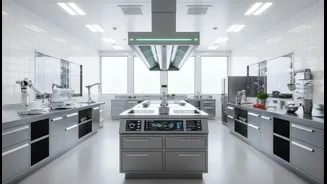
Building safer cloud kitchens is not just about compliance; it's about building trust through radical transparency. Imagine ordering from a kitchen and being able to view a live feed of the prep area. This isn't a gimmick; it's a powerful statement of confidence in one's own hygiene standards. Safer kitchens of the future will prominently display FSSAI licenses and hygiene ratings on ordering platforms, making safety a key selling point. They will use technology to monitor and log temperatures, ensure staff follow sanitization protocols, and trace every ingredient from farm to fork using blockchain. For brands, proving their commitment to safety is the most direct way to earn customer loyalty in a crowded marketplace.
Beyond Cooking: The Move to 'Smarter' Kitchens
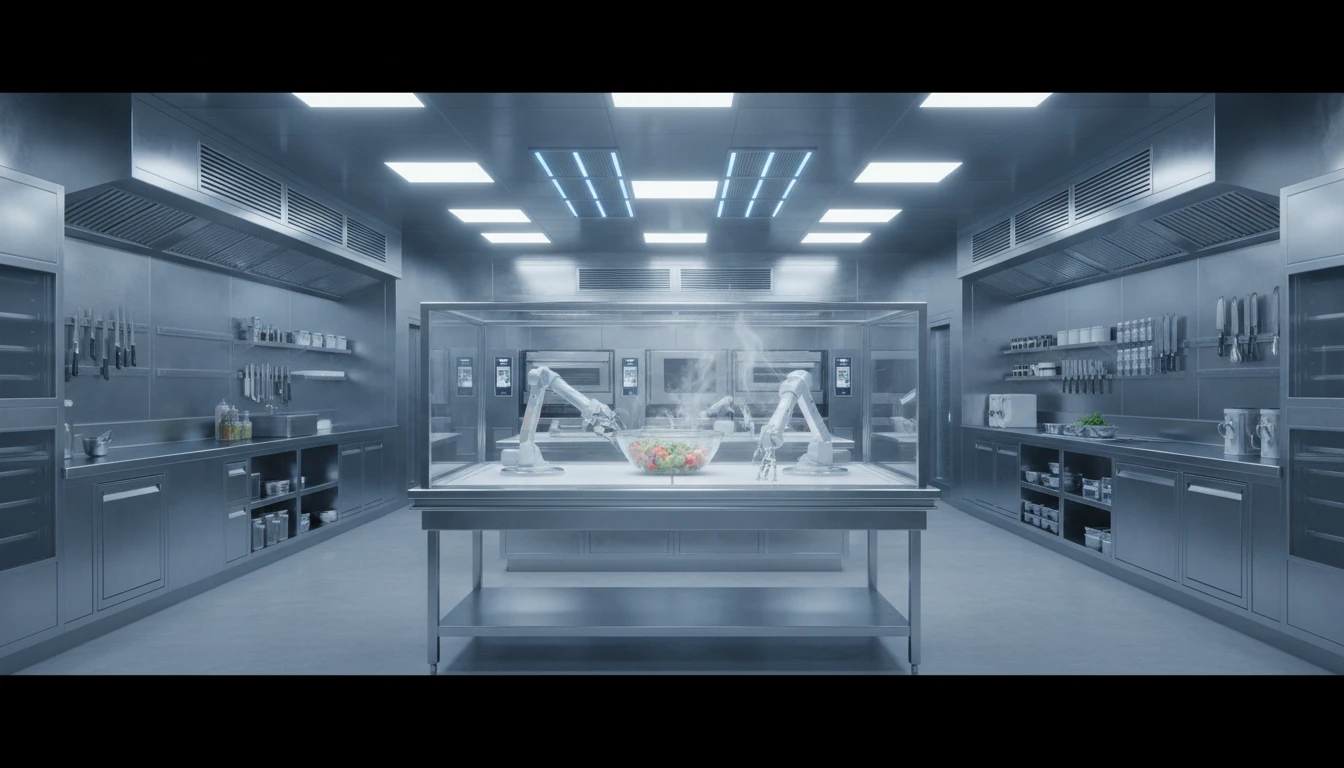
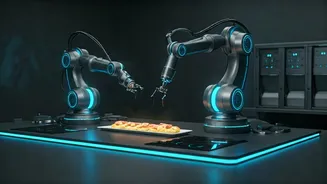
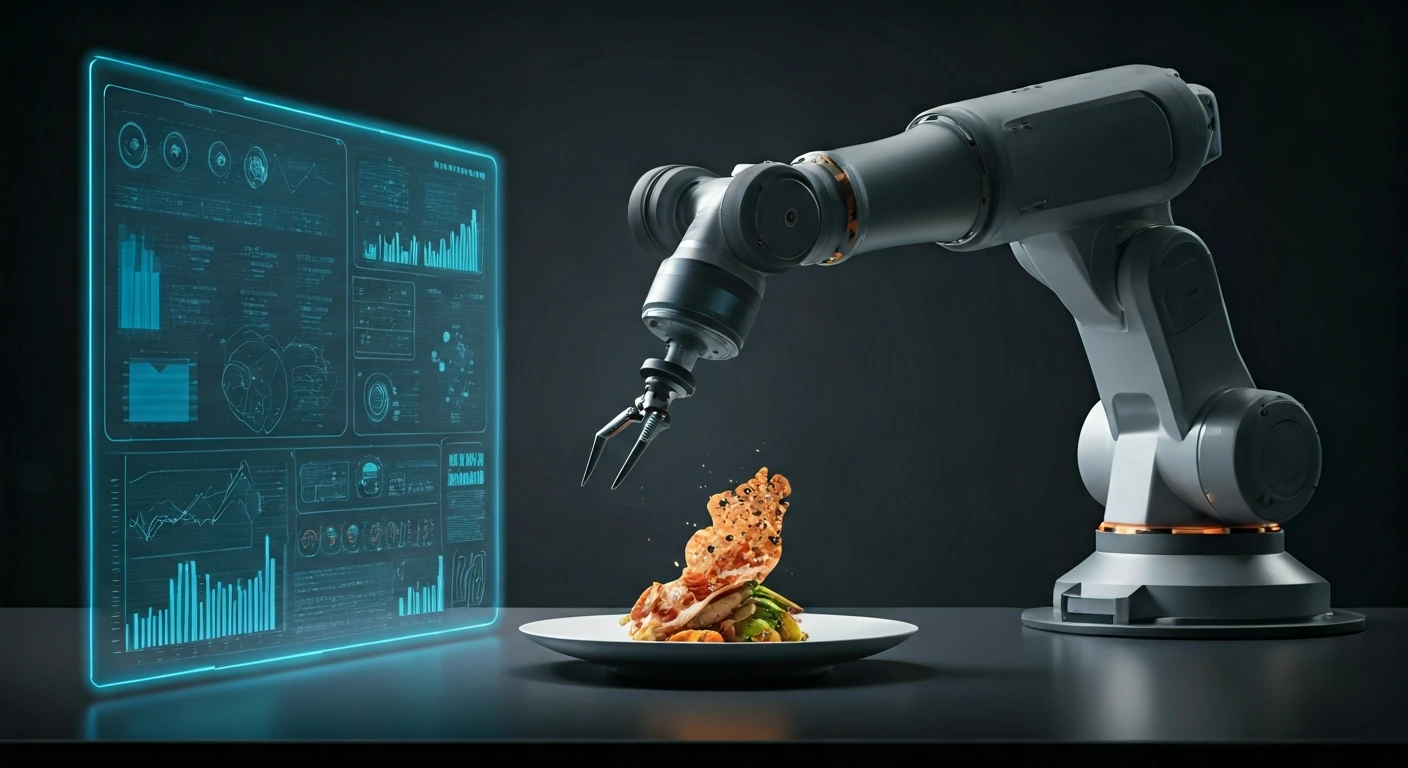
A 'smarter' kitchen is about more than just good food; it's about intelligent operations. Today, leading cloud kitchens are leveraging technology to gain a competitive edge. Artificial intelligence and machine learning are being used to forecast demand, preventing food waste and ensuring your favorite dish is always in stock. AI can analyze ordering patterns based on weather, festivals, or even cricket matches to optimize inventory. Kitchen automation streamlines repetitive tasks, ensuring consistency whether you order on a Tuesday afternoon or a busy Saturday night. Smart systems optimize delivery routes to ensure food arrives hot and fresh, while data analytics help refine menus based on real-time customer feedback. This isn't just about efficiency; it's about creating a better, more reliable experience for the customer.
The Future: Where Safe Meets Smart
The next generation of successful cloud kitchens will be those that master both safety and intelligence. They will understand that technology is the bridge between the two. The same AI that predicts order volume can also be used to monitor hygiene compliance, flagging potential safety issues before they become problems. The data used to personalize menu recommendations can also provide customers with detailed information about allergens and sourcing. This integration is crucial. A kitchen can be incredibly efficient, but if it isn't trusted, it won't last. Conversely, a safe kitchen that can't operate efficiently or adapt to consumer tastes will be outmaneuvered. The winning formula is a brand that uses smart technology to deliver, and prove, a safe and superior product.