

A Quiet Kitchen Rebellion
Look inside the kitchens of many young Indians today, and you might notice a subtle but significant shift. The once-ubiquitous plastic containers and synthetic utensils are slowly being replaced by something far more elemental: terracotta. This isn't
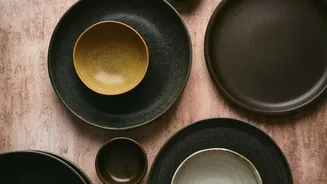
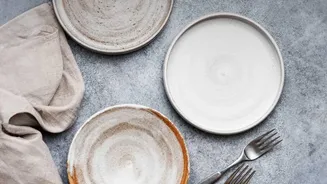
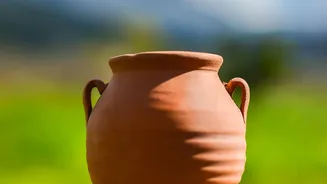
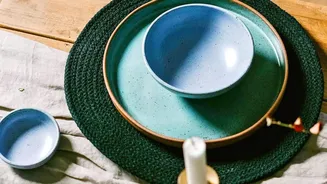
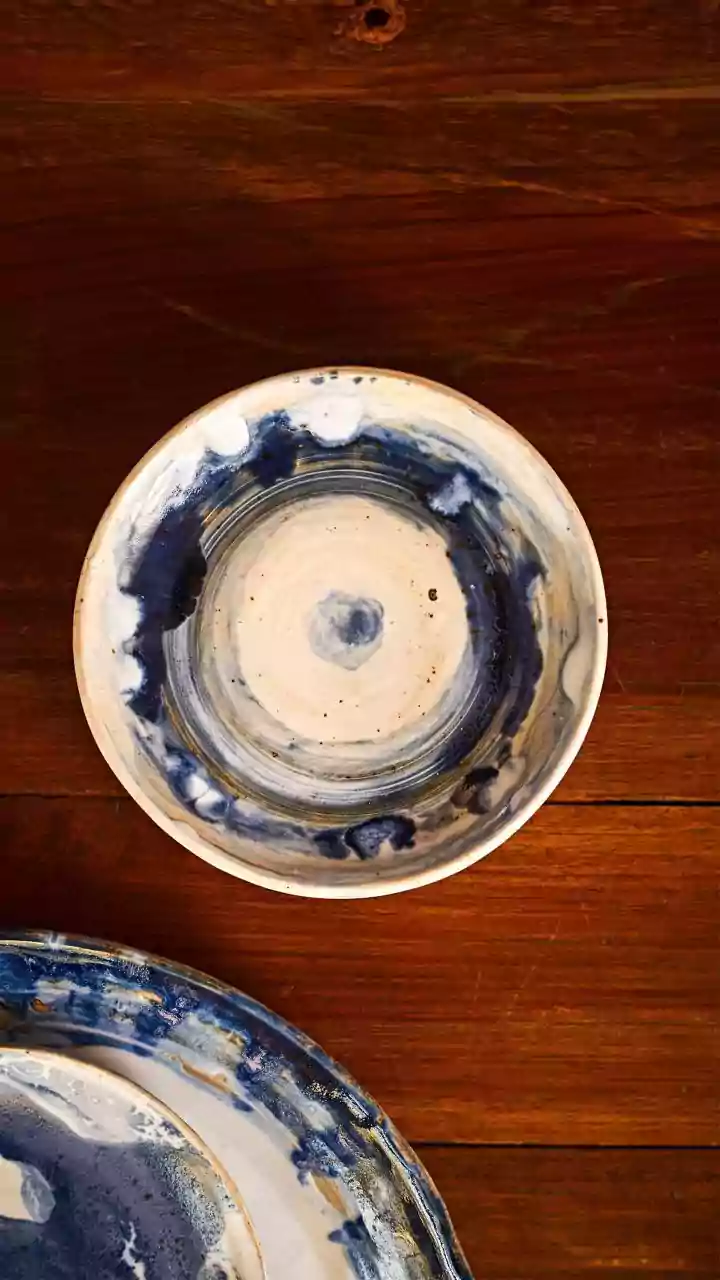
your grandmother's collection of rustic matkas, though the inspiration is certainly there. Instead, Gen Z is embracing modern, minimalist earthenware—sleek water jugs, matte-finished dinner plates, contemporary curd setters, and chic coffee mugs. It’s a design choice that’s part aesthetic, part-rebellion against the culture of mass-produced plastics, signalling a desire for authenticity and a connection to tradition. The earthy, warm, and timeless appearance of terracotta adds a touch of charm that resonates deeply in modern Indian homes.
The Allure of Sustainability
For a generation defined by its environmental consciousness, this trend is about much more than just looks. The move away from plastic is a deliberate choice for a healthier planet. Terracotta, made from natural clay, is a sustainable and eco-friendly material. Unlike plastic, which is derived from fossil fuels and contributes to landfill waste for centuries, terracotta is biodegradable and can return to the earth. The production process of earthenware also requires significantly less energy compared to plastic or metal alternatives. In a world grappling with climate change, choosing homeware that is kind to the environment is a powerful statement. For many young consumers, this makes terracotta not just a beautiful choice, but a responsible one.
Health and Wellness in the Home
The wellness wave has officially entered the kitchen. Growing awareness around the potential health risks of plastics, such as leaching chemicals into food, has made many people reconsider what they cook and serve with. Terracotta offers a non-toxic and chemical-free alternative. But the benefits go further. Clay is a porous material, which allows for slow and even heat distribution during cooking, a quality that chefs and home cooks say enhances the flavour and texture of food. This porosity also helps retain moisture, resulting in softer, more aromatic dishes. Furthermore, clay is naturally alkaline, which can help neutralise the acidity in foods, making them easier to digest.
Modern Forms, Ancient Roots
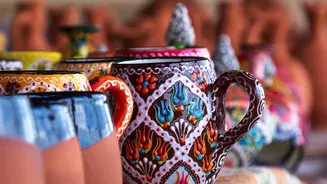
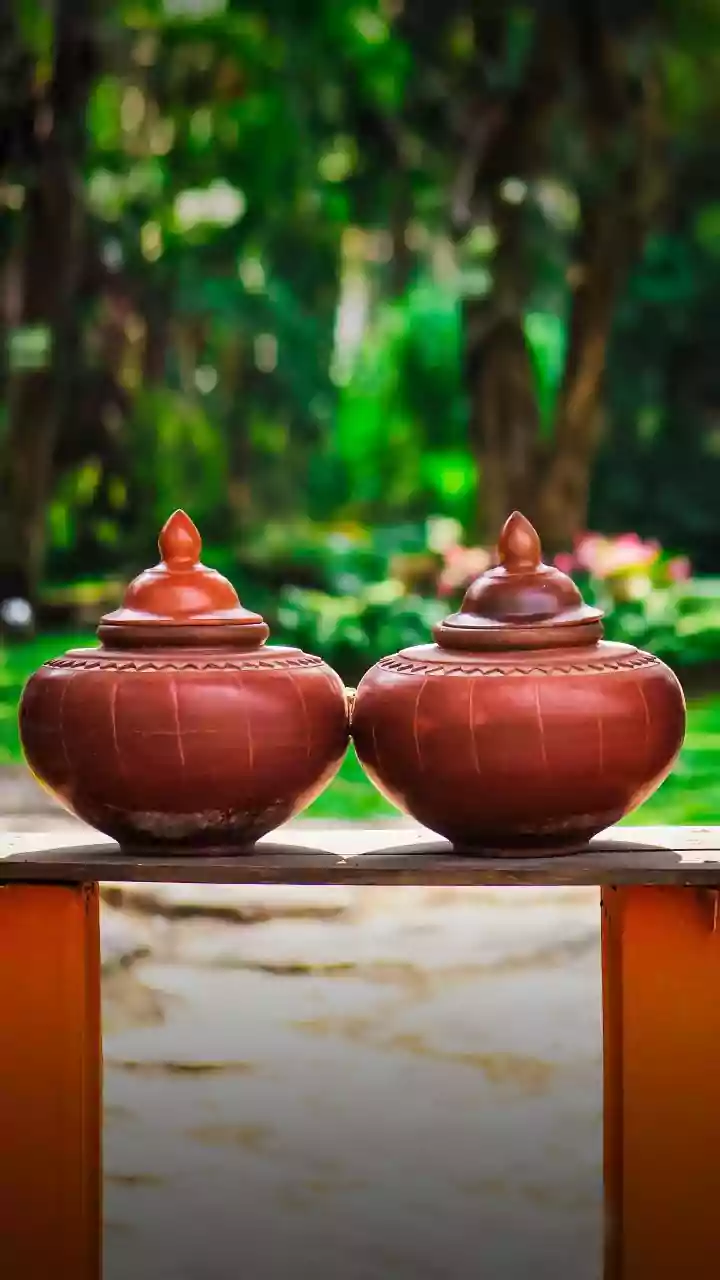
This isn't a simple revival; it's a reinvention. While terracotta has been a staple in Indian households for centuries for its cooling properties and utility, today’s trend is about blending that heritage with contemporary design. Designers and artisans are creating pieces that fit a modern minimalist aesthetic—think clean lines, sculptural forms, and unglazed, textured finishes that are highly photogenic. You can now find everything from terracotta pressure cookers and pizza platters to sleek water bottles with wooden lids and hand-painted kulhads that feel both ancient and brand new. It’s a celebration of local craftsmanship, with a renewed appreciation for items that are unique and rooted in Indian heritage.