
Rethink Your Raingear
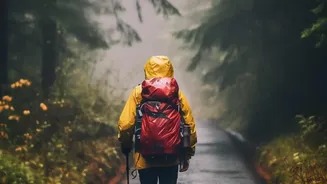
An umbrella is a start, but frequent travellers know it's often not enough against wind and sideways rain. A lightweight, foldable poncho or a long rain jacket is a smarter choice. Look for one that's breathable to combat the intense humidity. A poncho has
the added advantage of being able to cover you and your daypack, keeping everything dry. While a compact umbrella is useful for short dashes, a proper waterproof outer layer is non-negotiable for any serious sightseeing.
Choose Quick-Drying Fabrics
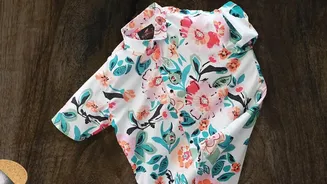
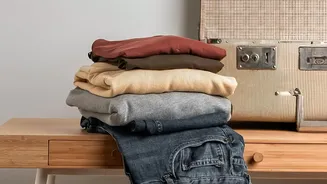
This is the golden rule of monsoon travel. Leave the heavy denim and thick cottons at home; they can take days to dry in the humid air. Instead, pack clothes made from synthetic or blended fabrics like polyester and nylon that dry quickly. Linen, surprisingly, is also a good choice as it dries fast and doesn't hold odours when damp. Opt for shorter hemlines like cropped pants or midi dresses to avoid dragging them through muddy puddles. Packing a few extra pairs of undergarments and moisture-wicking socks is a pro move.
The Right Footwear is Crucial
The wrong shoes can ruin a monsoon trip. Leather and suede are out, as they get destroyed by water. Instead, opt for rubber sandals, waterproof floaters, or Crocs-style clogs that have good grip and dry instantly. These are perfect for navigating waterlogged streets. For more active days or trekking, a pair of quick-dry sneakers or trekking shoes with anti-skid soles is essential. Always pack a backup pair of flip-flops for use indoors.
Waterproof Your Electronics
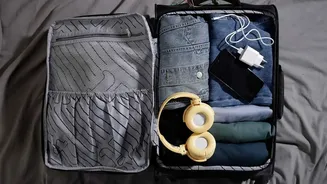
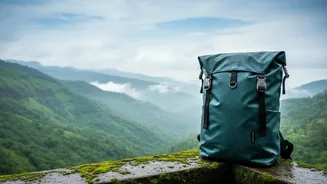
Your gadgets are most at risk during the monsoon. The simplest and most effective hack is to use zip-lock bags for your phone, chargers, and documents. For complete peace of mind, invest in a waterproof phone pouch and a rain cover for your backpack. Power cuts can be more frequent during heavy rains, so a fully charged power bank is a lifesaver you should never travel without.
Build a Monsoon Health Kit
The monsoon season brings an increased risk of water-borne diseases and mosquito activity. Your first-aid kit should be tailored accordingly. Pack insect repellent, especially for evenings and if you're visiting areas with lush greenery. Also include basic medicines for fever, colds, and stomach upsets, alongside antiseptic wipes and bandages. Water purification tablets or a filtered water bottle are wise additions if you plan to visit remote areas.
The Miscellaneous Lifesavers
These are the small items that make a huge difference. A quick-dry microfibre towel is more absorbent and dries much faster than a standard cotton one. Silica gel packs, often found in new shoe boxes, can be tossed into your luggage or shoe bag to absorb excess moisture and prevent musty smells. A few extra plastic bags or reusable waterproof bags are invaluable for separating wet and muddy clothes from your clean ones. Finally, with potential weather delays, packing a good book or downloading movies is always a smart move.